
Making a Heater That Actually Survives Your Bathroom
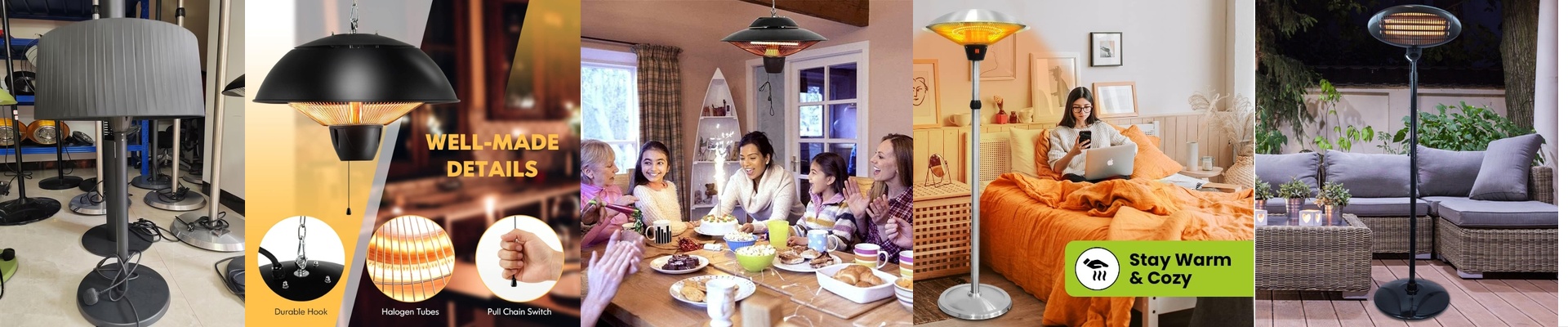
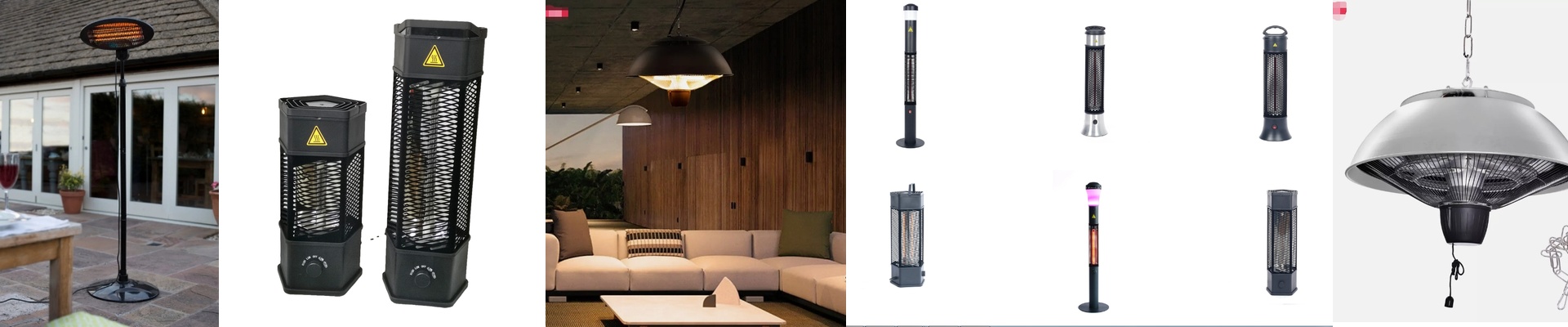
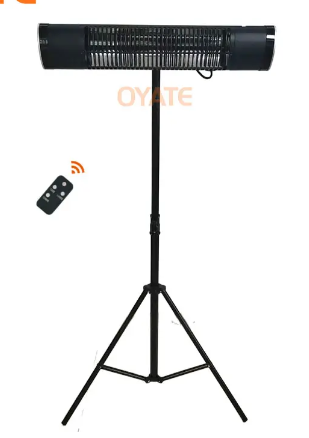
We build our infrared heaters to an IP55 standard. In plain English? That means they can handle a good bit of dust and a few splashes of water without breaking a sweat. But here’s the thing: a rating on a spec sheet doesn’t mean much in the real world. Bathrooms are brutal. You’ve got thick steam one minute and a chilly draft the next. That constant shifting makes materials expand and shrink. If a seal isn’t perfect, moisture sneaks in, hits the electronics, and—pop—your heater is toast.
Why we put our gear through the ringer
We don’t just hope for the best. We put every batch through “damp-heat aging tests.” It sounds fancy, but it’s basically a torture chamber. We blast the heaters with high heat and heavy humidity for weeks. We’re trying to simulate years of steamy showers in a tiny fraction of the time. We’re hunting for “capillary action.” That’s just a nerdy way of saying we’re looking for any tiny gap where water might crawl through a gasket or a cable entry point. If a seal is even a hair off, moisture gets in and starts rusting the internal contacts. That creates resistance. resistance creates heat. And before you know it, you’ve got a melted housing or a tripped breaker. No one wants that.
The balancing act
Keeping water out is only half the battle. Tight seals are a bit of a double-edged sword. If we seal the unit too tight, the heat gets trapped inside. It’s like wearing a parka in the summer; the internal wiring starts to cook, and the insulation breaks down faster. So, we spend a lot of time finding that sweet spot. We want it airtight enough to keep the steam out, but breathable enough that the internals can stay cool.
How we know it works
We don’t just do a quick “yes or no” check at the end of the line. Instead, we watch the insulation resistance the entire time the heater is in the torture chamber. We keep a very close eye on the leakage current. If we see even a tiny spike, we go back to the drawing board and re-tool the gasket mold. It’s a lot of extra work. But it means when you install one of these in your wet-zone, it won’t just work for six months—it’ll actually last.