
Introduction
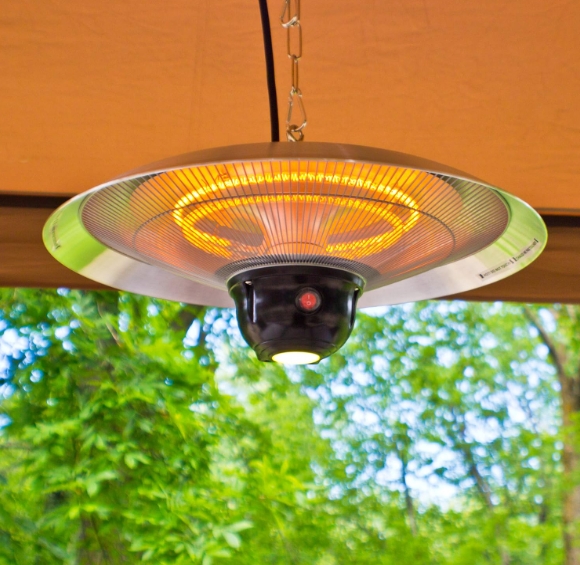
You know that feeling when a small upgrade just makes your whole day better? That’s what’s happening in bathrooms right now. People are swapping out old lamp-style heaters for high-quality, waterproof infrared heaters. And no, it’s not just about looks. It’s a straight-up upgrade in how the thing actually works—built around safety, reliability, and the simple physics of getting heat where you need it, in a room that’s always wet. At the heart of it is a quartz infrared heating tube, made to handle serious moisture and keep delivering steady warmth, no matter how steamy it gets.
The difference you can feel
Old-school lamp heaters usually run on lower voltage and warm things by making visible light. That’s not just inefficient—it’s a poor fit for a sealed, humid bathroom where you want warmth fast. Infrared heaters flip the script. They send energy straight to people and objects, so less heat is wasted. You feel the warmth almost immediately, and it doesn’t disappear the second you step away from the beam.
What makes it actually work
We build these to meet real waterproof standards. That means the electrical joints and tube ends are sealed tight so moisture can’t get in. The wattage is matched to the size of the bathroom, so it heats up quickly without tripping the circuit. And the footprint is designed to drop right into standard fixtures. No messing with your layout. No complicated rework. Just a clean install that does the job.
The materials that matter
The heating element uses quartz, not regular glass. Quartz handles sudden temperature shifts better, and it keeps output steady as the heater cycles on and off. Inside, the filament runs in a halogen environment, which helps protect the element and keeps performance stable even when the voltage wobbles a bit. The tube coating is chosen to push heat out in the infrared spectrum, not as glare-y visible light. So you get more warmth where you need it, with less harsh brightness. And the connector is built for high heat and moisture. It snaps in securely, so wiring is straightforward—no need for extra sealing steps to make it safe.
Why it shines in the bathroom
A bathroom doesn’t need to heat the air. It needs to warm you. Infrared heaters do exactly that, so you feel cozy faster, and you don’t lose all that heat to the floor and walls. Because the build is waterproof, you don’t have to worry about shorts or corrosion at the joints—even after months of steam, shower after shower.
A quick reality check (and it’s a small one)
Because these pack a lot of heat into a small space, placement matters. The heater gets hot, so you need airflow and clearance. That means following the distance specs to the ceiling and nearby materials. But when you get the location right, it’s basically a drop-in upgrade: dependable warmth, fewer breakdowns, and less fuss overall.