
A sunroom is supposed to give you the outdoors without the hassle, but all that glass makes comfort a moving target. On clear nights, heat bleeds straight through the panes and the room goes cold fast. Standard convection heaters just chase the air around, wasting energy. You feel it in your hands first—then on the next bill.
What matters, technically
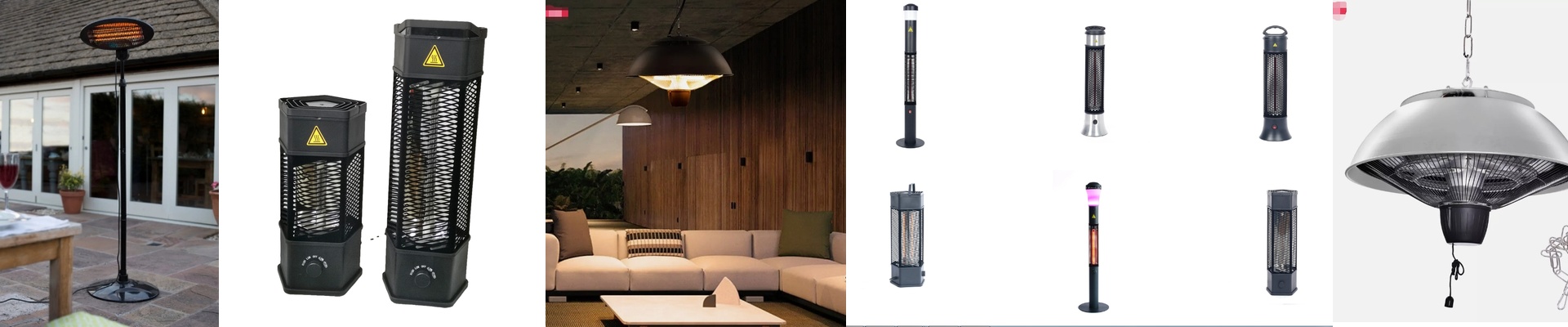
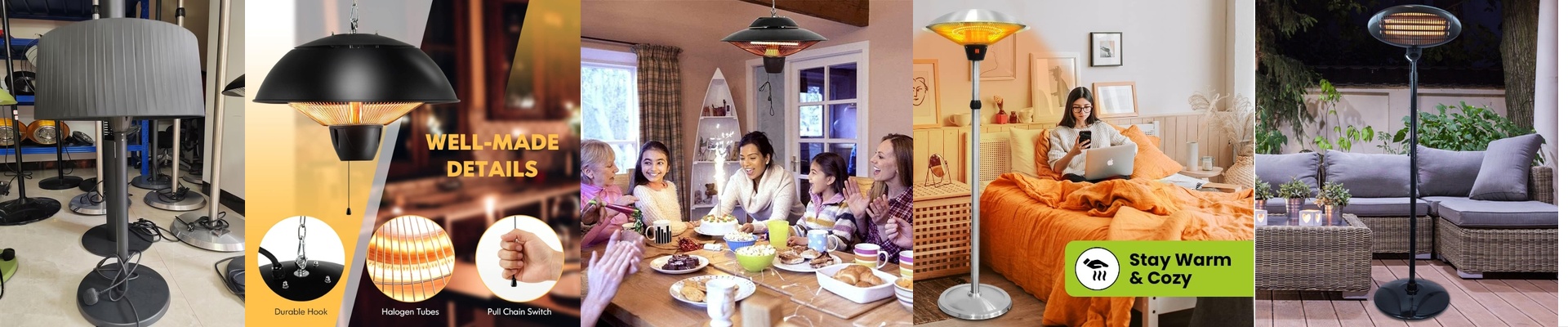
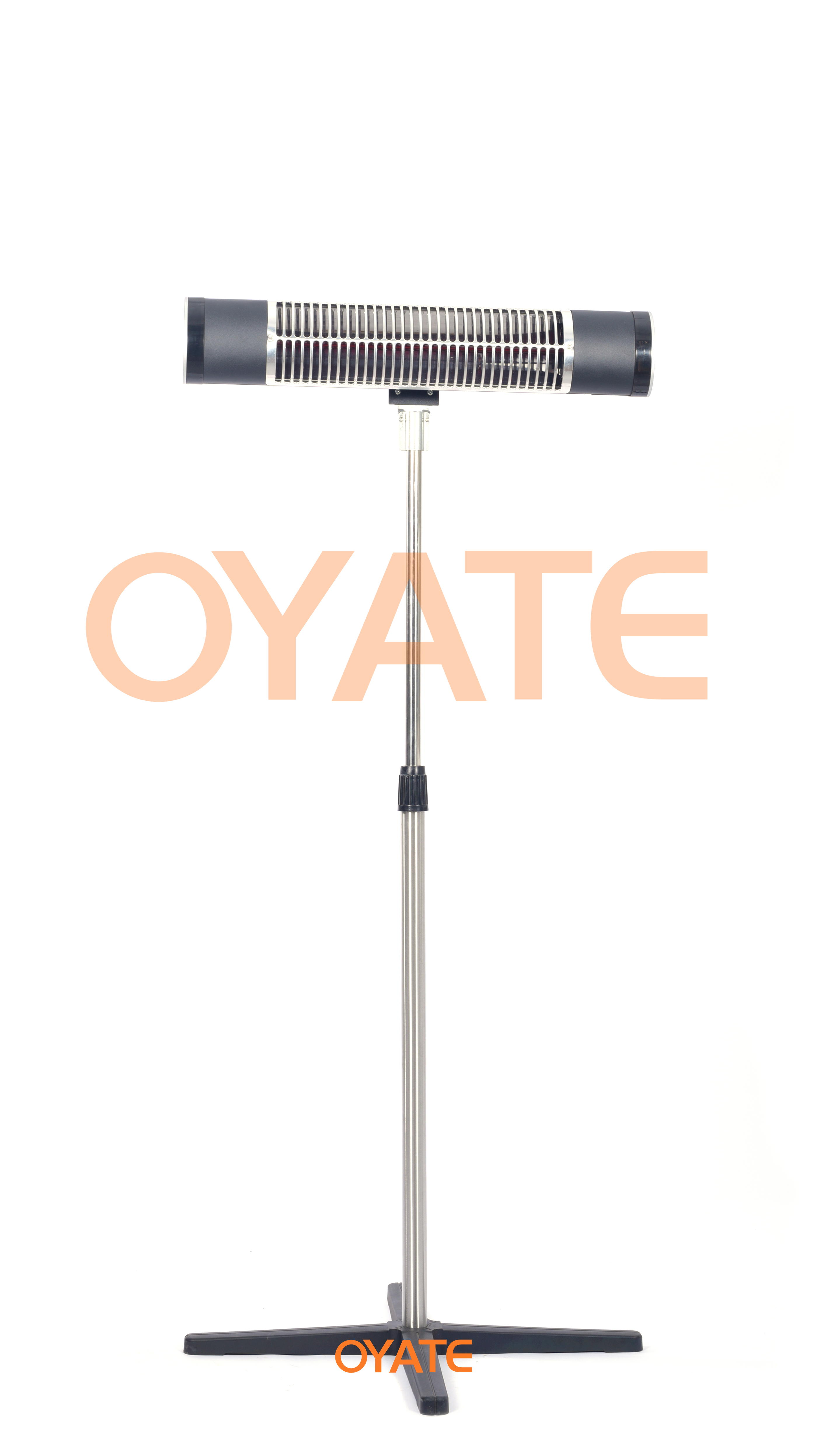
We built this heavy-duty electric heater around infrared radiant warmth, so it warms people and surfaces directly, not the air. A high-output carbon fiber element and reflector push heat forward in a tight pattern, giving you 1,500–3,000W depending on the space. The payoff is fast, directional heat that starts right where you need it. An adjustable thermostat holds your set temperature, and tip-over protection shuts the unit off if it gets knocked over. The housing is finished for damp conditions, and the heater carries an IP rating that’s suitable for sheltered outdoor spots and high-humidity indoor areas.
Why it works in a sunroom
In an attic sunroom, the sheer glass area means heat loss is constant. Infrared heats past the cold surface of the glass to warm floors, furniture, and your skin. You feel cozy within minutes—no waiting for the air to get forced warm. Because the heat is directed, the thermostat cycles less. That helps keep comfort steady and can trim energy use. You also skip the drafty up-and-down swing of convection, so the room feels more stable, even when clouds roll in.
The things you should know
This is an electric radiant heater, so it needs a dedicated 220–240V outlet on a circuit that can handle the load. Aim it at seating areas and keep it clear of curtains or furniture. It warms by sight and touch, so you may feel heat on exposed skin before the air feels hot—that’s normal. For best results, pair it with thermal blinds at night to slow heat loss.