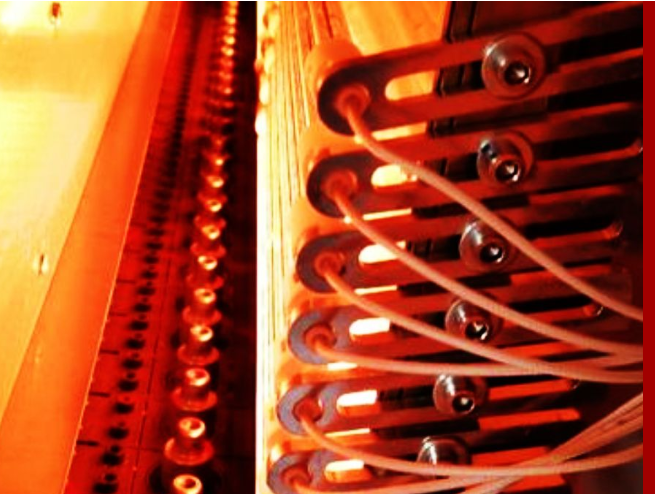
On the blow molding floor, you know the problem the second it shows up: preform heating that’s all over the place. Off-spec bottles. Scrap stacked by the pallet. And a heating tunnel that never really settles into a steady state. We built our translucent quartz infrared heaters to attack that variability right where it starts. What it comes down to is energy delivery—making sure what you put into the preform lines up with the process. The quartz tubes put out short-wave infrared, high power density, so the preform surface gets to temperature fast without cooking the core. We match watt density and spectral output to the material and the wall-thickness profile, and we build the emitter around a stable R7s base and a consistent quartz envelope. That gives you repeatable temperature control across the heating zones, so stretch ratios stay predictable and cycle time doesn’t drift. Compatibility is the other half of the job. The heaters drop straight into mainstream blow molders—Sidel Matrix, Krones Contiform, and Husky HyPET systems, among others—using the same mounting geometry and electrical interfaces as the original emitters. So when a lamp fails, you swap it without tearing the heating tunnel apart. In practice, you see fewer temperature swings, more consistent bottle weight and clarity, and fewer line stops. Energy use usually drops because the emitter hits setpoint quickly and holds it with tight control. And service intervals stretch out, because the quartz construction takes thermal cycling without giving up early. Here’s what still matters on the floor: ambient airflow and reflector condition drive performance. Keep heating-zone airflow steady, and keep the reflectors clean—otherwise, even the best lamp will run hotter than it needs to. And before you order, verify the exact wattage, length, and connector type against your machine’s spec. Getting those details right is what keeps the replacement truly plug-and-play.