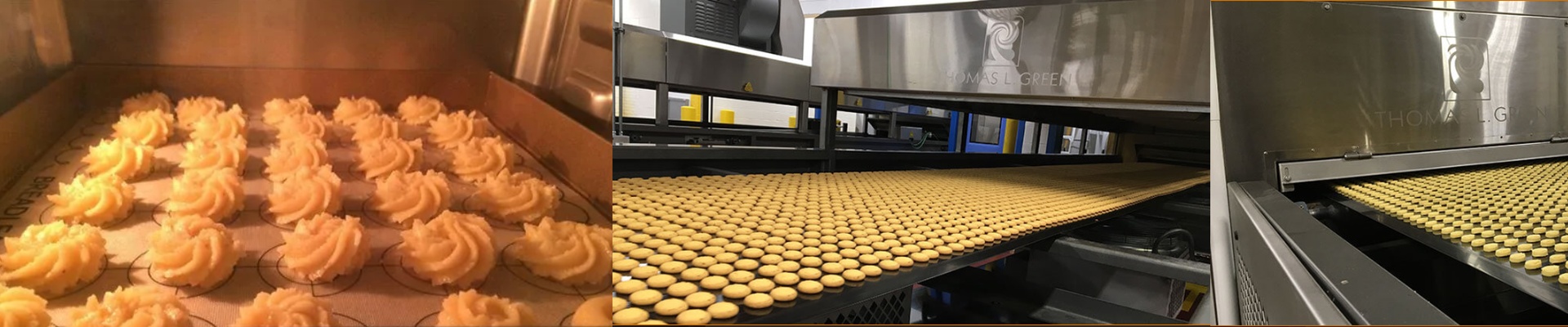
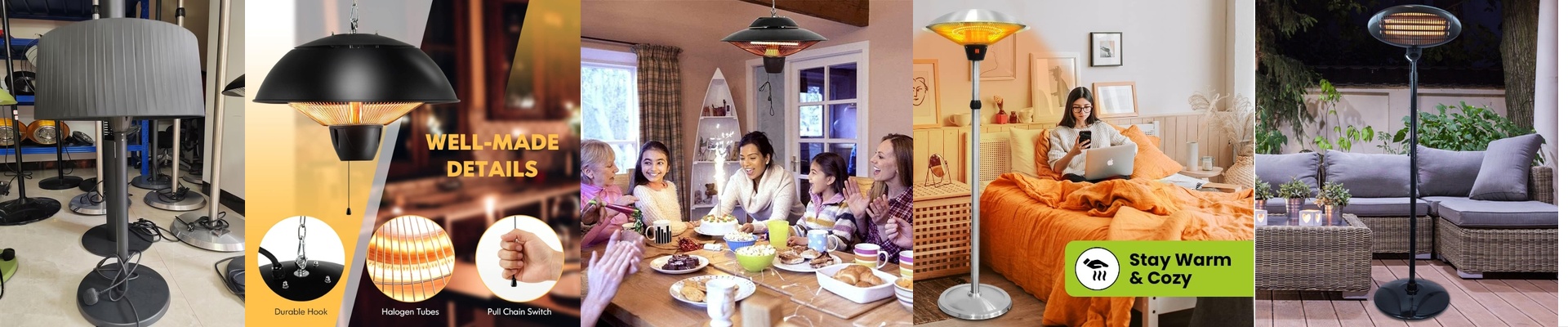
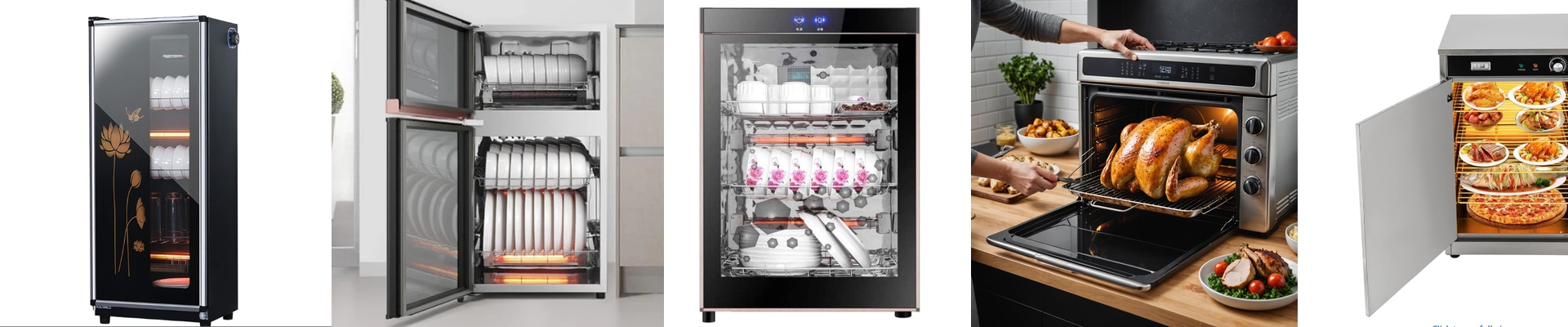
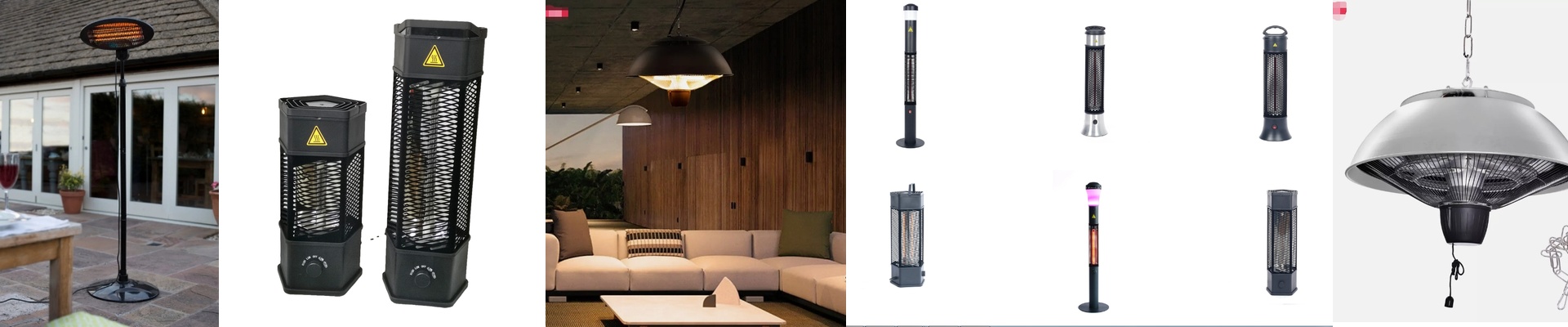
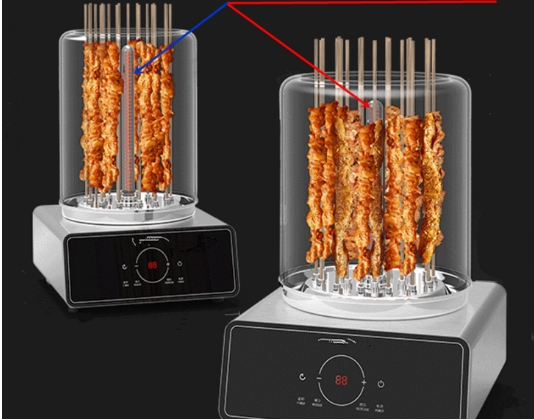
In a busy bakery or deli, the last thing you need is a warming display that dries out croissants, kills baguette crust, or leaves pizza slices limp before the customer even takes a bite. When the rush hits, weak heat or uneven coverage forces you to pull product early—or worse, serve something that looks tired. We built this warming radiant heater for warming displays to hold food at the right temperature without wrecking texture, color, or moisture. What matters, technically This unit uses short-wave infrared quartz elements to deliver focused radiant heat—targeting surface warmth without cooking the center. The payoff is consistent holding temps with tight control: even coverage across the pan line, instead of scorch spots and cold zones. In practice, breads stay crisp outside while the crumb stays soft, and pizza slices hold that cheese pull without turning leathery. The heater runs on standard commercial voltage, fits into compact countertop warming cabinets, and mounts cleanly over display rails. A simple thermostat keeps the baking chamber environment stable, so you match the heat to the product, not the other way around. Why it works in the real world In a warming display, speed matters—but food quality matters more. Radiant heat responds quickly when doors open and traffic spikes, so you don’t lose temperature right when you need it. It preserves the look that sells—glossy crust, even color, that fresh-from-the-oven sheen—while protecting moisture. That means fewer throwaways, fewer reheats, and a tighter hold window across the service line. Energy use stays sensible because the heat goes where it’s needed, not into heating empty air. Here are the practical details Radiant warming shines on open displays, but clearance matters. Keep the element distance consistent to avoid hot spots, and shield delicate items like cream-filled pastries with a slightly lower setting or a barrier. Make sure your cabinet ventilation matches the output—airflow keeps humidity in check and protects the elements. If you’re swapping this heater in, verify your mounting hardware and wiring match the existing layout; most units install quickly, but it’s always worth confirming compatibility up front.