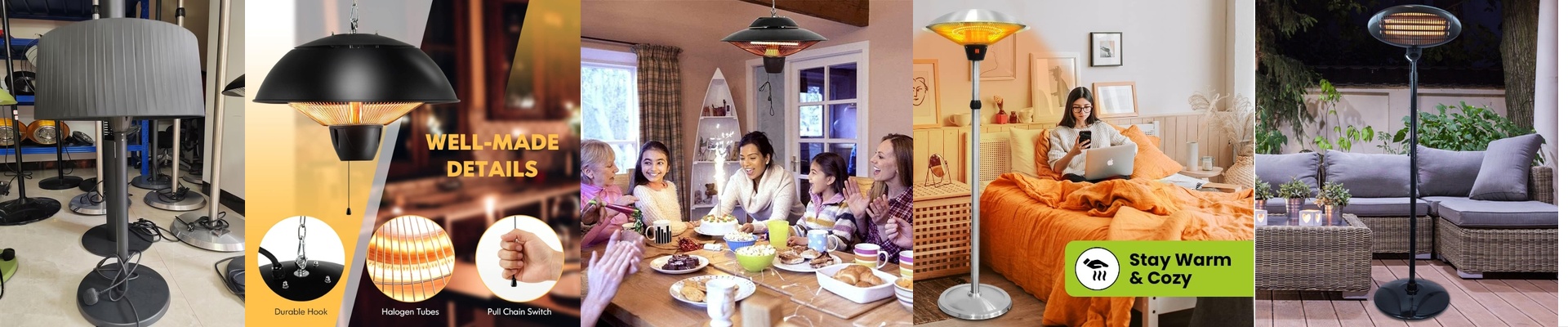

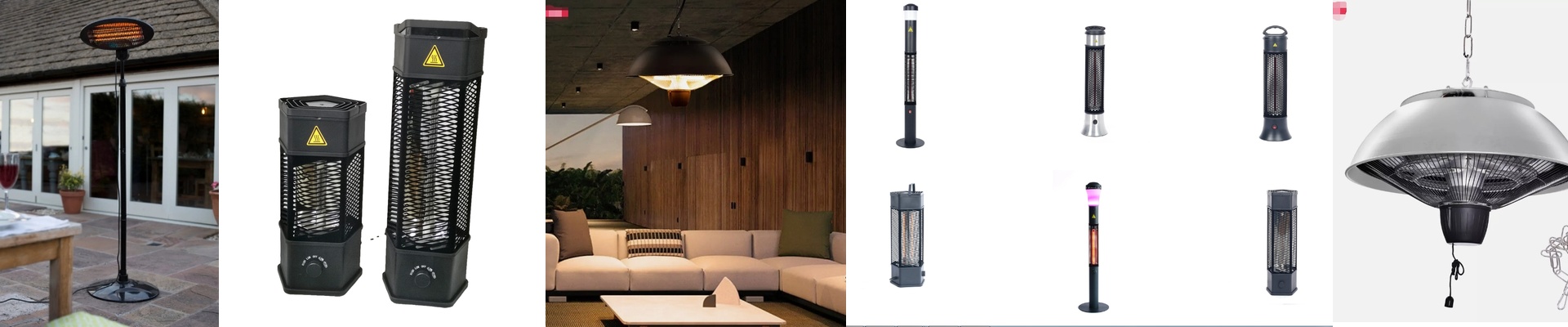

You know the feeling—standing in your living room while the heat rises and pools near the ceiling, leaving the corners stubbornly cold. The wrong heater has you chasing the thermostat, wasting energy, and still feeling drafty. The right infrared heater hits people and surfaces directly, so comfort lands fast—no noise, no drafts, no guesswork.
What actually matters, technically
Infrared heaters deliver radiant warmth, the same way the sun does—just without the UV. Inside, you’ve got a halogen or quartz tube, or a carbon fiber element, heating up and projecting infrared warmth outward. Wattage is the number that drives how much heat is available to offset your room’s heat loss. A quiet electric heater built for steady comfort typically runs on standard household voltage, and the better models include a thermostat for stable temperature control. On safety, look for features you can actually trust: tip-over protection, overheat protection, and a grill that feels solid. If the unit will live outdoors, the IP rating matters—moisture and dust will shorten its life if it isn’t protected.
Why this approach works in real rooms
Room orientation and insulation are what decide how hard your heater has to work. North-facing rooms and drafty windows bleed heat, so you need more capacity. Well-insulated spaces and south-facing rooms hold onto solar gain, so you can match the heat more precisely. Size it simply: measure the room area, factor in ceiling height, and adjust for exposure and insulation. A common starting point is about 10 watts per square foot for average spaces—then bump the wattage for colder exposure, or dial it in tighter when the space is well sealed, so the heater isn’t running nonstop. Infrared shines because it warms objects and people directly, so comfort feels immediate—even when the air stays still.
What to keep in mind day-to-day
Infrared heat is directional, so placement matters. Mount or position the unit where the warmth reaches the seating area, not across the room or behind furniture. Because it heats surfaces, you’ll sometimes see objects in the beam get warmer than surrounding surfaces—that’s normal. For best results, pair the heater with good habits: close curtains at night, cut down drafts, and set the thermostat to maintain, not overheat. One practical note: infrared heaters are very quiet, but they still need clearance. Keep the unit at a safe distance from combustibles and follow the clearances on the label. Do that, and the warmth stays effortless—and worry-free.