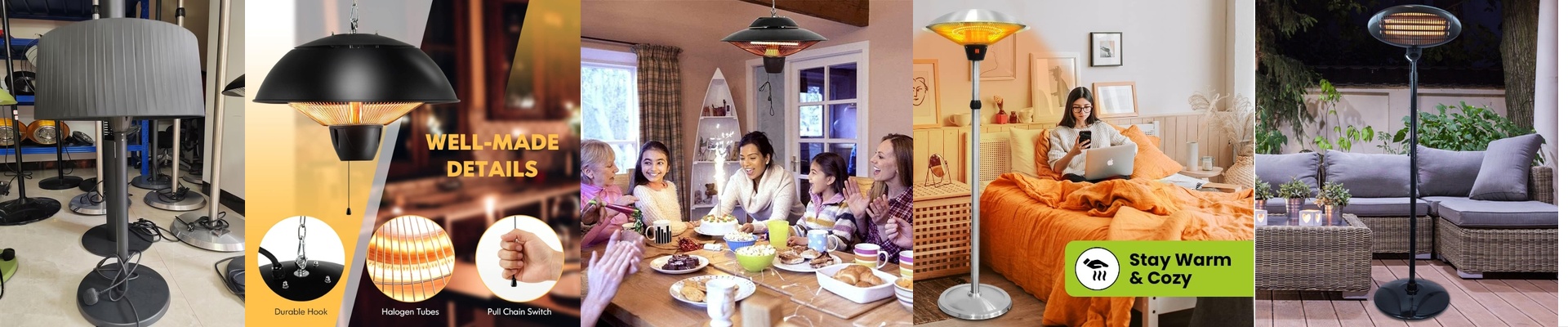
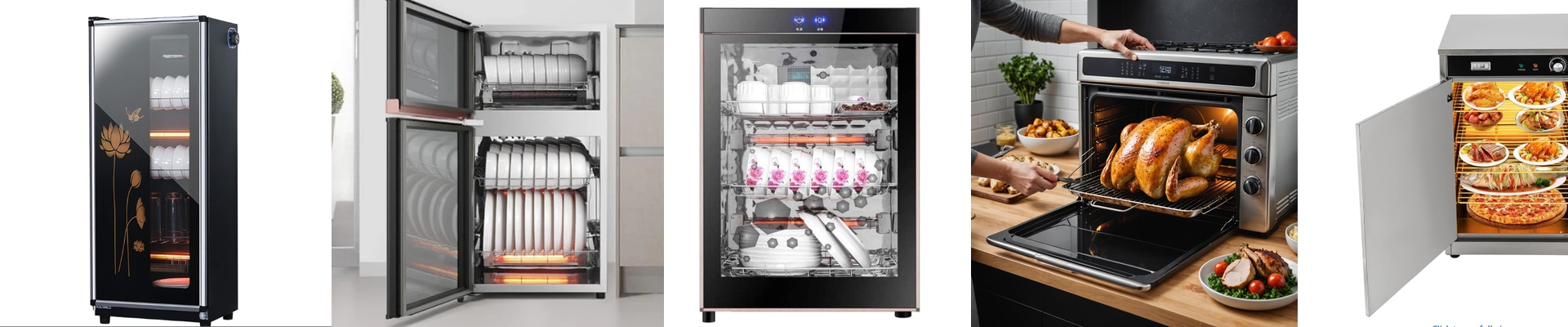
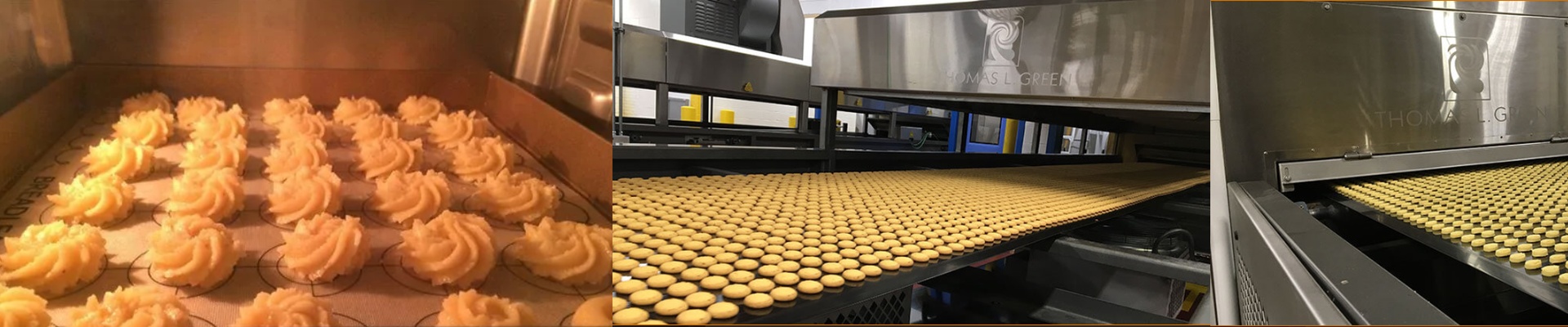
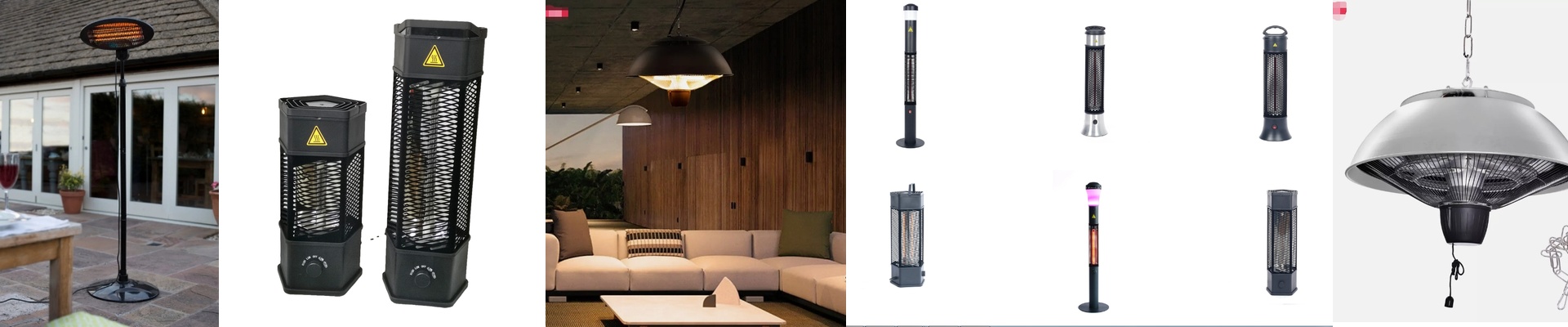
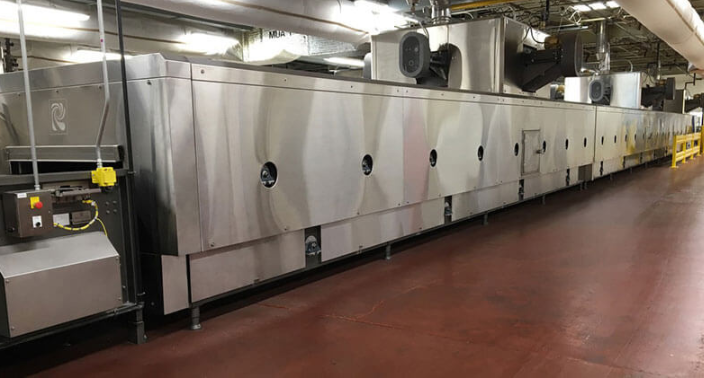
In a busy kitchen, oven downtime and uneven baking aren’t just headaches—they eat into margins and chip away at customer trust. When a fryer heater or a deck oven element starts to drift, you see it on the plate: pale patches, gummy centers, and a crust that’s all over the place. We built our twin quartz ceramic heaters to keep heat steady where it counts—right inside the baking chamber. What actually matters under the hood The twin quartz ceramic heater leans on short-wave infrared, so the energy is fast and directional. It comes up hot in under 15 seconds, which gets you back in control after door swings and batch changes. The ceramic core spreads energy evenly across the element face, so you don’t get hot spots that scorch edges before the center sets. In practical terms, temperature recovery is more repeatable—and that means a uniform bake, crisp crust, and color you can count on. Why this design fits real production In a deck oven, rotary oven, or a high-volume convection setup, the heater has to snap back instantly and hold steady through long runs. Twin quartz ceramic keeps the baking chamber temperature consistent, so every tray—bread, pizza, even fried items—comes out with the same doneness. You get faster cycle recovery, fewer under- or over-baked pieces, and less waste. Energy use drops, too, because the heater spends less time idling and more time delivering targeted heat. The details you can’t gloss over These heaters are engineered for specific voltages and mounting clearances, so check your oven’s terminal block, bracket spacing, and whether the door seal can handle the heat before you swap. They run hot up close, which is why spacing and airflow aren’t optional—shoehorn one in too tight and you risk overheating nearby insulation. Plan the changeover during a maintenance window, and you won’t get blindsided during service.