
Making Your Ceiling Heaters Actually Smart
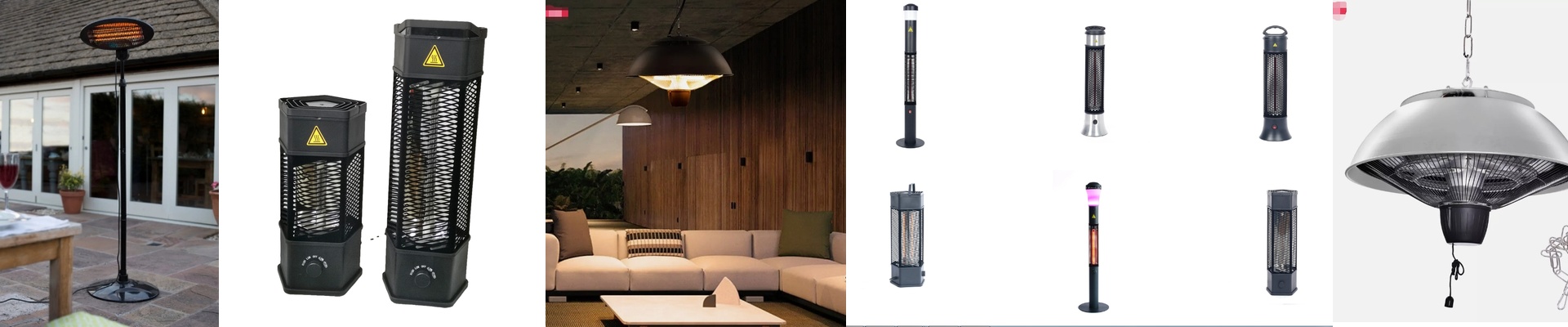
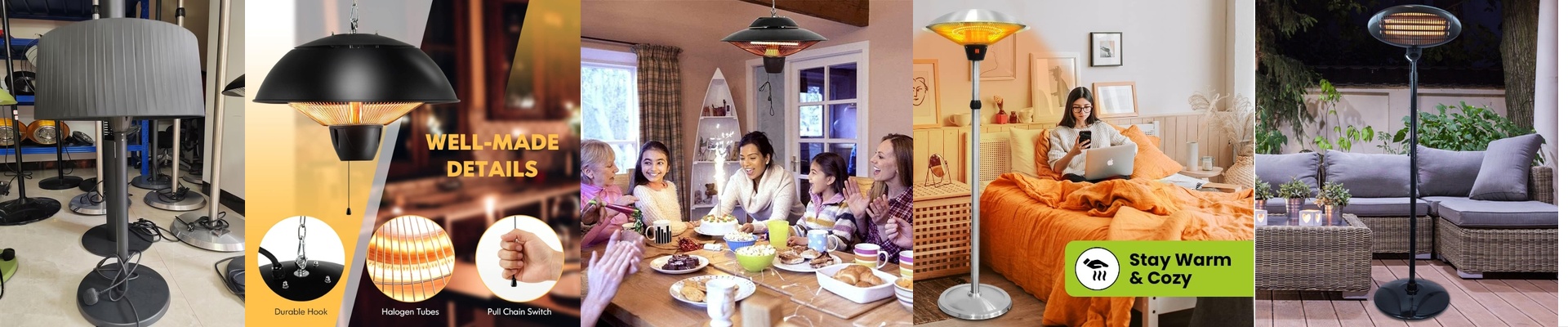
If you’ve ever stepped into a freezing workshop in January, you know the struggle. You turn on the heat, wait twenty minutes for the air to warm up, and you’re still shivering because the air is just… cold. That’s why we prefer ceiling infrared heaters. They don’t waste time trying to heat every cubic inch of “dead air” in the room. Instead, they heat the things in the room. You. Your workbench. Your tools.
Why Remote Control Matters
We usually set these up using smart relays or controllers (think Zigbee or Matter). It basically creates a bridge between your phone and the heater. One tap on your screen triggers a relay, and the heat starts flowing. Since it’s radiant heat, it happens almost instantly. There’s no furnace to kick in and no waiting for ducts to warm up. You just feel the warmth hit your shoulders the second it turns on. It’s a great feeling.
How the System Actually Works
We use short-wave or medium-wave emitters because they hit their peak temperature in seconds. Plus, if you add a few ambient temperature sensors, the system gets a bit of a brain. If your shop drops to 5°C, the logic can kick the heat on before you even open the door. You walk in, and it’s already cozy.
The “Gotchas” (Read This Part)
Here is the thing: you can’t just plug a 5kW heater into a cheap smart plug. If you do, you’ll fry the circuitry in about two seconds. To do this right, we use heavy-duty contactors. The smart switch just tells the contactor to close, and the contactor handles the heavy lifting of the electrical current. It’s the only safe way to do it. And one last tip? Remember that infrared is directional. It’s like a flashlight, but with heat. If you’re standing behind a big pillar or a massive piece of machinery, you’re going to be in a cold spot. Where you hang the heaters matters way more than which app you use to turn them on. Get the placement right, and you’re golden.