
How to actually keep people warm in drafty spaces
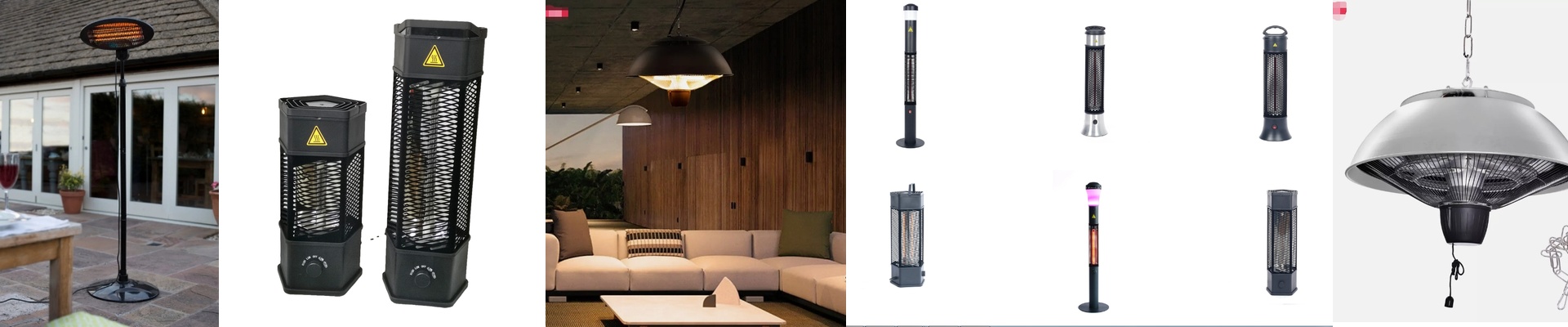
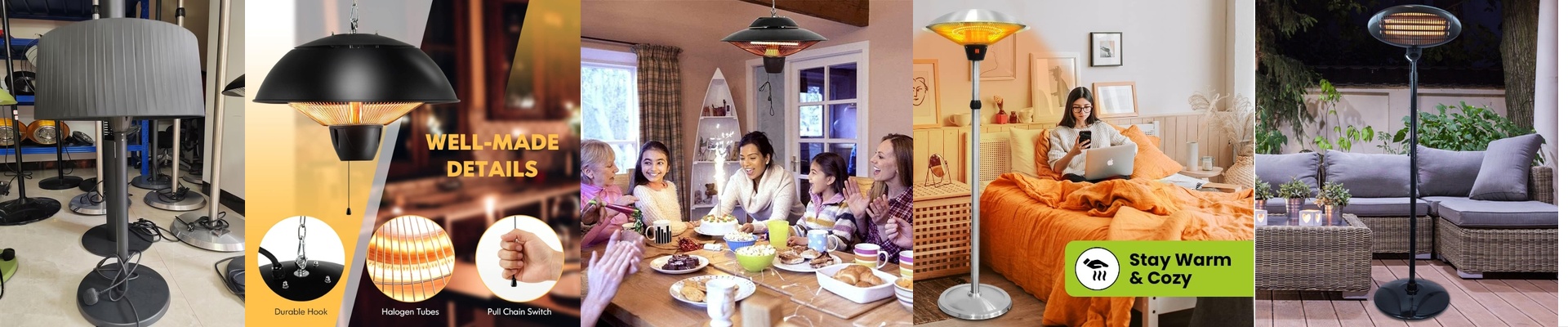
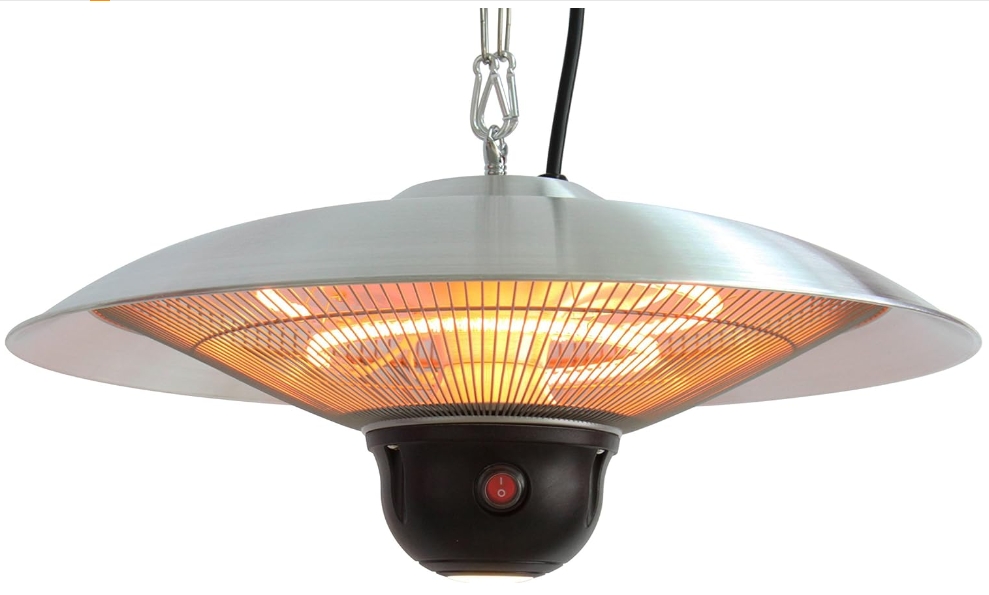
Ever tried to dry off in a freezing changing room or hang out on a patio in November? It sucks. Usually, you’re waiting for a heater to warm up the air, but in a drafty area, that warm air just floats away. That’s why we use shortwave infrared (SWIR). Instead of fighting the wind, this tech sends heat straight to the person. It doesn’t bother with the air; it just hits you. You feel it the second you step into the beam. It’s instant. The secret is in the wavelength. We go with shortwave emitters because they run hotter and push heat further. This means the warmth actually sinks in rather than just sitting on your skin. When we talk about “luxury” in these spaces, we aren’t talking about fancy buttons. We’re talking about raw, powerful heat that makes you forget you’re standing in a cold breeze. Dealing with the elements Outdoor gear takes a beating. Rain, dust, humidity—it’s a lot. We build these units to IP65 standards, which is basically a fancy way of saying we’ve sealed the guts of the machine so water and grit can’t get in. We use high-grade quartz glass for the emitter because regular glass would just crack the moment it gets hot. One heads-up: these casings are a bit beefier than your average indoor heater. Make sure your mounting brackets can actually handle the weight before you start drilling. A few things to watch out for Here’s the deal with the wiring: you can’t just plug these into a random wall socket. They pull a lot of power to get that instant heat, and if you try to pig-back them off a standard circuit, you’re probably going to trip a breaker. Check your amperage first. And since these things get seriously hot, be smart about where you hang them. You want the heat to hit the guests, but you don’t want them close enough to actually touch the emitter. A little bit of height goes a long way in keeping everyone safe and comfortable.