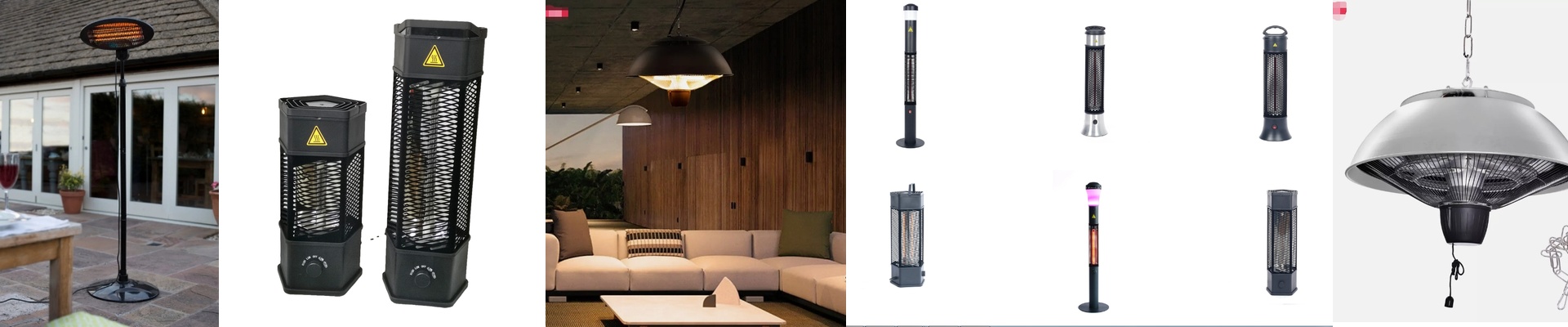
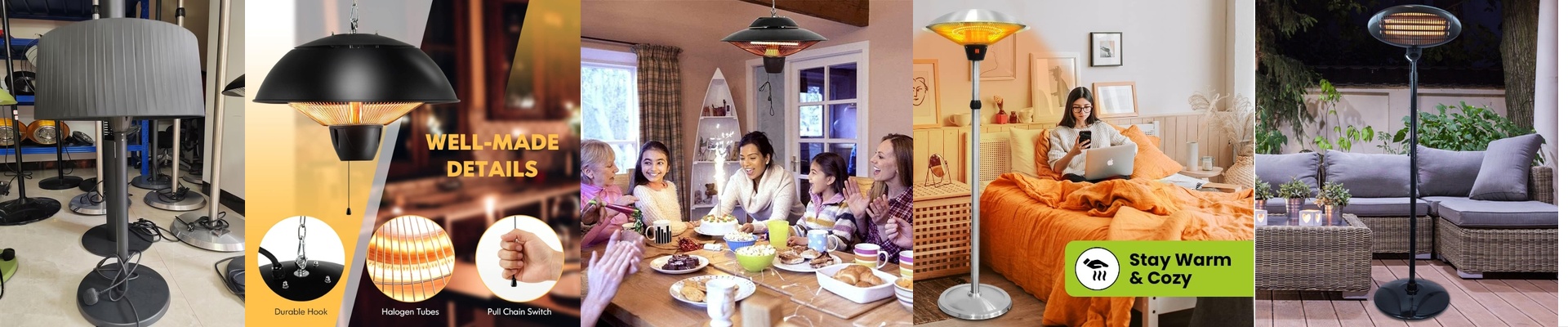
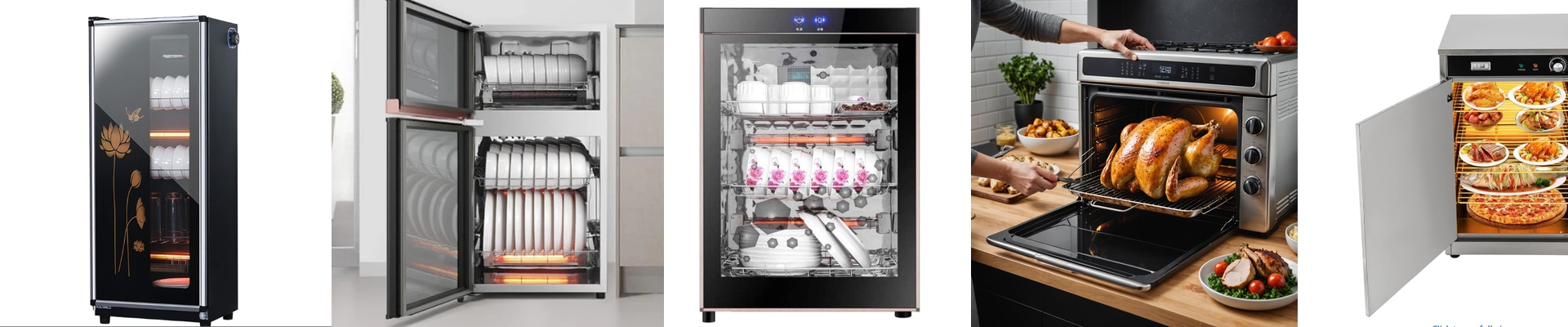
When the front counter is slammed, holding plated food and prepped items at the right temperature without drying them out isn’t guesswork—it’s engineering. A circular infrared heater for warming displays puts controlled, radiant heat exactly where you need it, so your team serves hot food that still looks the way it should.
What matters under the hood
This unit is built around a quartz-halogen emitter, running on 120V or 240V. It throws a focused, even radiant field that heats surfaces directly, not the air around them. Recovery is near-instant—full output in seconds—so it keeps up when orders hit in waves. Temperature control stays tight, typically within ±3°F, and the heating pattern stays uniform across the display radius. That means fewer hot spots, fewer cold spots. The circular shape also cuts down on shadowing, so every plate gets consistent exposure.
Why this works in a real service rush
Warming displays sit right by plating, the POS, and foot traffic. You need heat that’s responsive, controllable, and repeatable. Infrared snaps back fast after doors open, so holding temps don’t drift during rushes. Because the energy hits the food surface directly, you lose less moisture than you do with forced-air heat. That helps crust and glaze keep their texture. The payoff is fewer comps, faster pass-through, and a case that stays presentable from the first ticket to the last.
The details that keep it running
Installation is straightforward, but clearance matters. Keep the emitter 6–10 inches from the food surface to maintain evenness and avoid overheating delicate items. Check that your counter or cabinet material can handle radiant heat, and wire it to your local code with the correct plug type. Plan your cleaning around the heater. Quartz emitters handle routine wiping, but harsh chemicals and abrasive pads will shorten service life.