Why You Actually Need Explosion-Proof Quartz in Your Bathroom
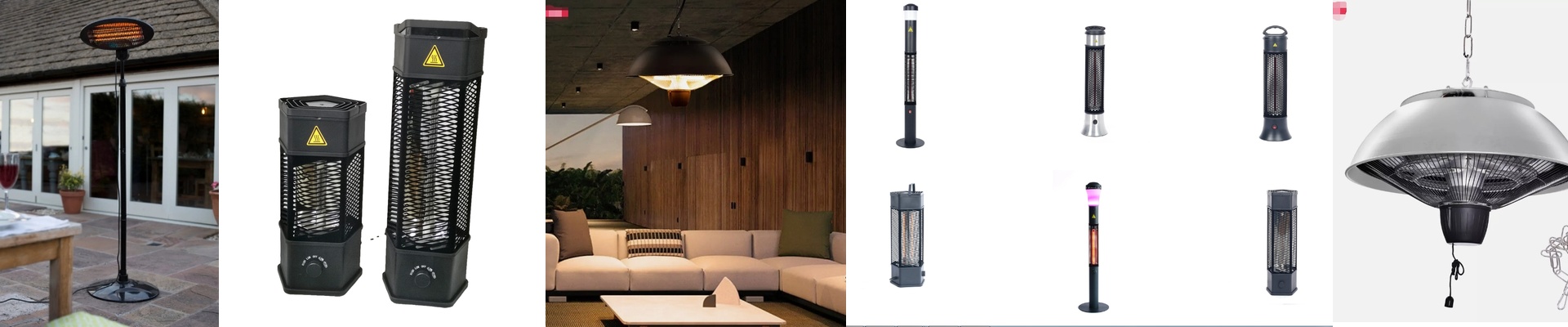
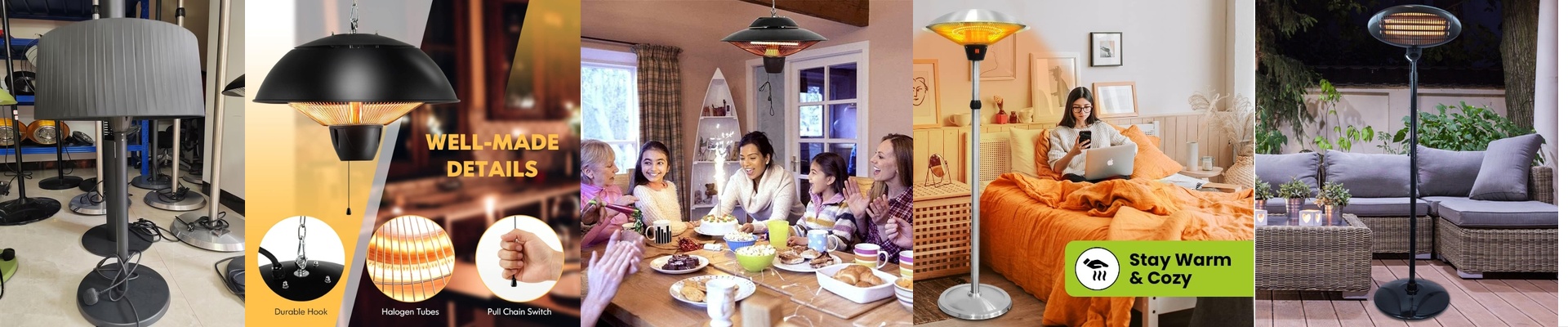
Think about your bathroom. It’s a weird place. One minute it’s freezing, the next it’s a steam room. Now, imagine putting a high-powered heat lamp right over your head in that environment. Here’s the problem: these lamps get incredibly hot—we’re talking 800°C. If a single stray drop of cold water hits that glass while it’s glowing, standard quartz can’t handle the shock. It doesn’t just crack. It shatters. That’s a nightmare you don’t want. That’s where explosion-proof quartz comes in. It’s not some fancy marketing term; it’s a safety must. This glass is built to take those sudden temperature swings without losing its cool. Even if the outer wall gets a nick, the tube is designed to keep the halogen gas and the filament locked inside. Plus, these lamps use short-wave infrared. Instead of trying to heat up all the air in the room (which takes forever), the heat goes straight to your skin. It’s instant. You flip a switch, and you’re warm. Simple. But there’s a catch with the hardware. If you use a cheap tube that isn’t rated for this, a tiny hairline fracture will let air in, the filament will oxidize, and your lamp is dead. Boom. Gone. Explosion-proof specs keep that seal tight so the lamp actually lasts. One more thing: check your wiring. These lamps pull a lot of power. If you’re running three or four 600W lamps on a circuit that wasn’t meant for it, you’re going to be tripping your breakers all morning. It’s worth double-checking the amperage before you plug everything in. When it comes to actually installing them, it’s usually a quick drop-in job. Butdo not touch the glass with your bare fingers. I know it sounds picky, but the oils from your skin leave invisible spots on the quartz. Those spots create “hot spots” when the lamp heats up, which weakens the glass and makes it way more likely to pop. Just grab a clean cloth or some gloves, slide them in, and you’re good to go.