Stop Burning Your Bread: The Secret to Instant Heat
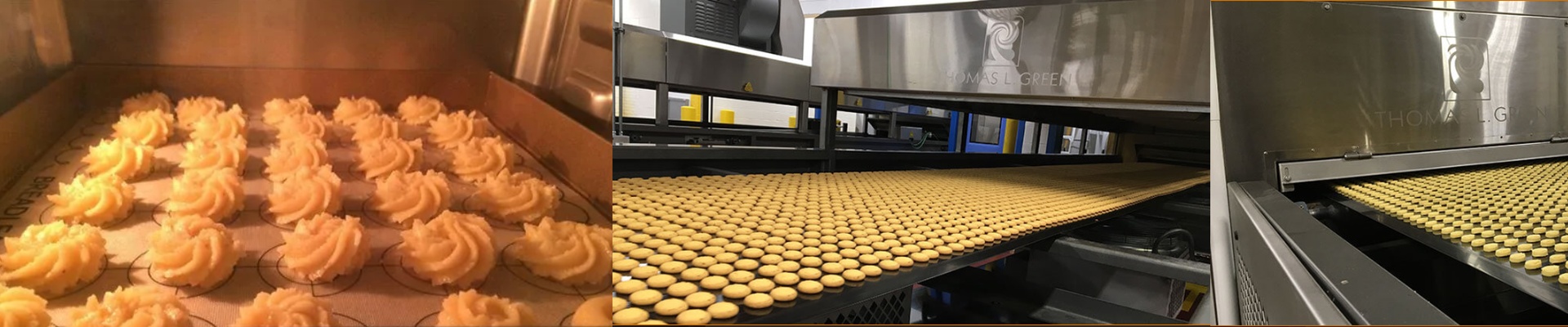
In a commercial bakery, the window between a gorgeous, golden crust and a charcoal brick is tiny. We’re talking seconds. That’s why we use 300W infrared bulbs. They get rid of that annoying “lag” you get with old-school heating elements.
Why “Thermal Inertia” is Your Enemy
Think about standard heating coils. They’re like big sponges for heat. Even after your controller tells them to shut off, they stay glowing hot, continuing to pump energy into your dough. It’s called temperature overshoot, and it’s how you ruin a batch. These 300W infrared lamps are a different beast. They turn electricity into radiant energy almost the second you flip the switch. When the power cuts, the heat stops. Just like that. It gives you a level of control that feels almost surgical. You hit your target temperature and you actually stay there.
The Nitty-Gritty
The bulbs use a quartz envelope. It’s tough enough to handle the heat but clear enough to let those infrared waves fly right through. At 300W, the heat is dialed in perfectly—it sears the surface of the loaf without drying out the inside. You can hook these up to most standard oven controllers. But a quick heads-up: infrared lamps hate voltage spikes. One big jump in your line voltage and you might pop a filament. To keep things smooth, I highly recommend using a solid-state relay (SSR). It’s way faster than a mechanical contactor and it won’t wear out nearly as quickly.
The Trade-off
Here is the thing: radiant heat is directional. Unlike a convection oven that wraps your bread in a blanket of hot air, these bulbs hit the object directly. This means placement is everything. Too close? You’ll get hot spots. Too far? You’re wasting energy. You’re trading that general “warmth” for total precision. It takes a bit more planning, but the results speak for themselves.