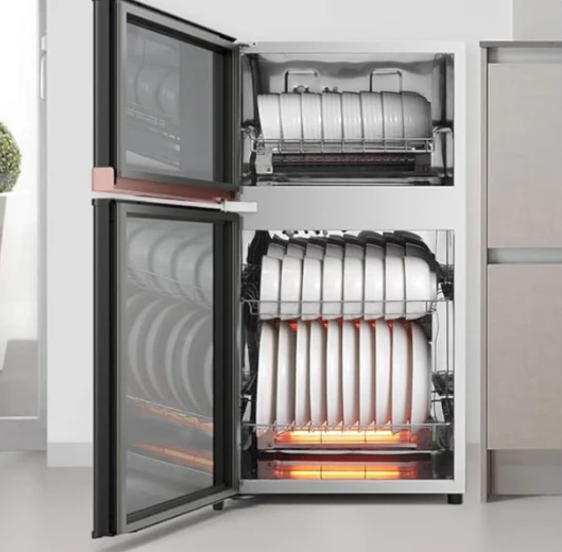
Why Fast-Response IR Heaters are a Lifesaver for Tough Bakes
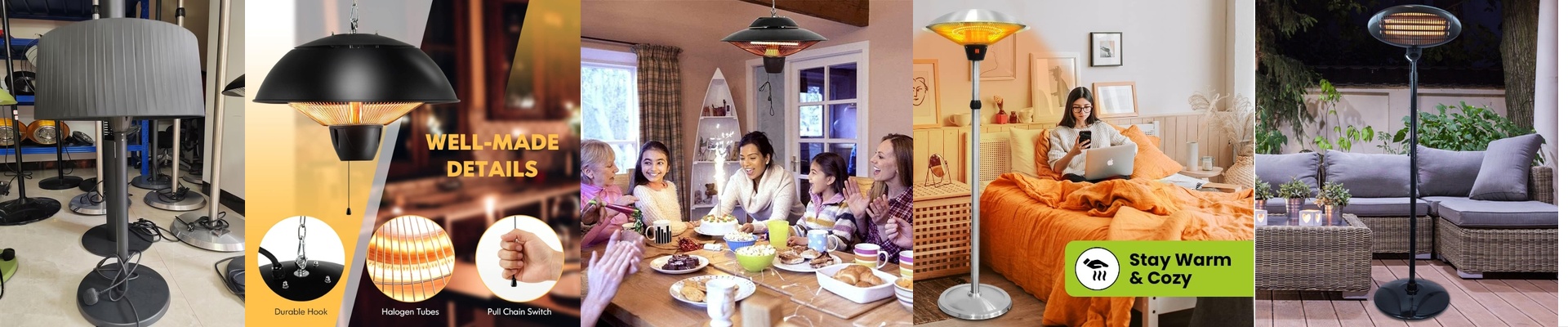
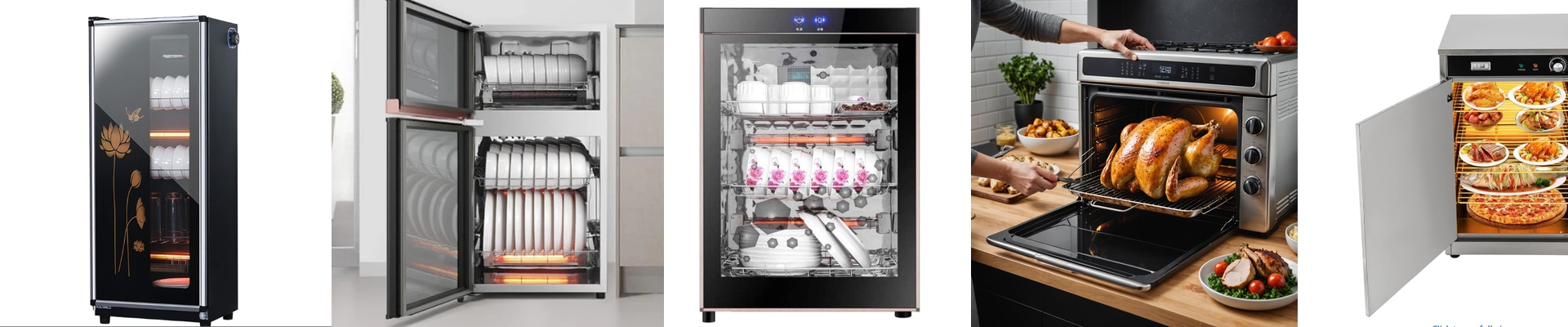
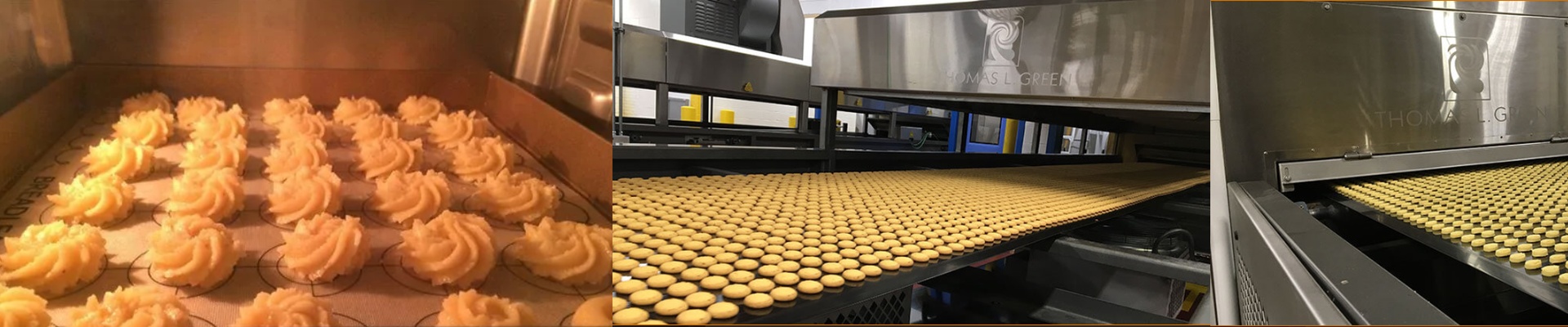
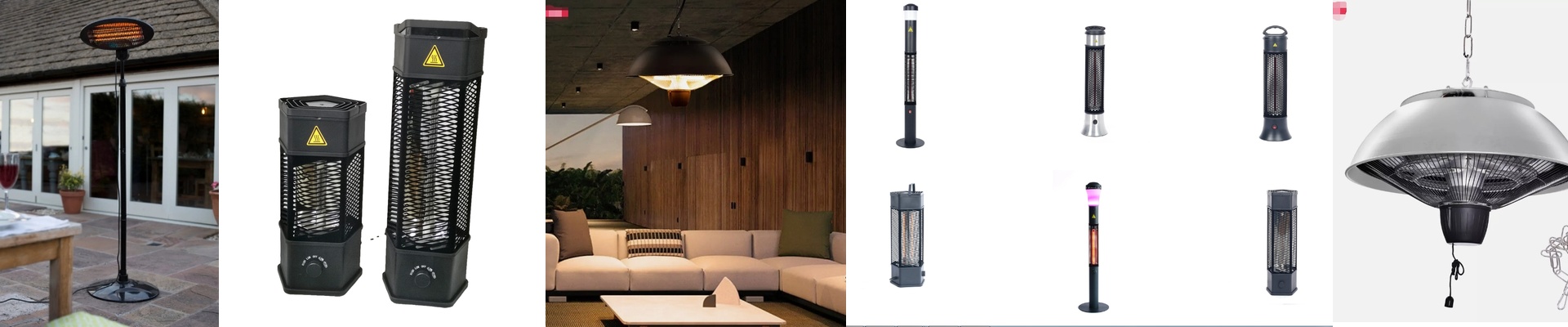
If you’ve ever tried a high-difficulty bake, you know it’s not just about hitting a number on a dial. It’s about the rhythm of the heat. When we build food warmers, we use circular infrared (IR) heaters because they let us play with “stepped” temperature control. The secret is speed. We’re talking about switching heat on and off in seconds, not minutes. The problem with old-school heaters Most heating elements are just too chunky. They have way too much thermal mass, meaning they stay scorching hot long after you’ve flipped the switch. That’s how you end up with burnt edges and a ruined crust—the heat just keeps bleeding into the food. Our circular IR lamps are different. They use a low-mass quartz filament that hits its peak temperature almost instantly. The moment your controller cuts the power, the energy drops. Just like that. This lets you program a heating curve that actually works. You can jump from a low-temp dry phase to a high-temp sear without that annoying lag you get with a standard convection oven. It’s snappy. It’s precise. Getting the hardware right To make this work, you need a lot of power packed into a tiny space. We design these heaters to blast IR radiation directly onto the surface of the food. But a word of advice: don’t cheap out on the switches. You’ll need a fast-acting Solid State Relay (SSR) and a PID controller. If you try to use a mechanical relay, the constant clicking and switching will chew through the contacts in a few weeks. Trust me, you don’t want to be replacing those. The trade-offs (because nothing is perfect) Here’s the catch. Because these lamps run so hot to get that instant reaction, the quartz glass is pretty fragile. You can’t let the food touch the lamps. And for heaven’s sake, keep the grease off the glass. If grease builds up, it creates hot spots that can crack the tube. Also, think about your airflow. When these lamps are firing at full tilt, they put out a lot of heat. Make sure your chassis has plenty of ventilation, or you’ll end up baking your own electronics along with the food.