
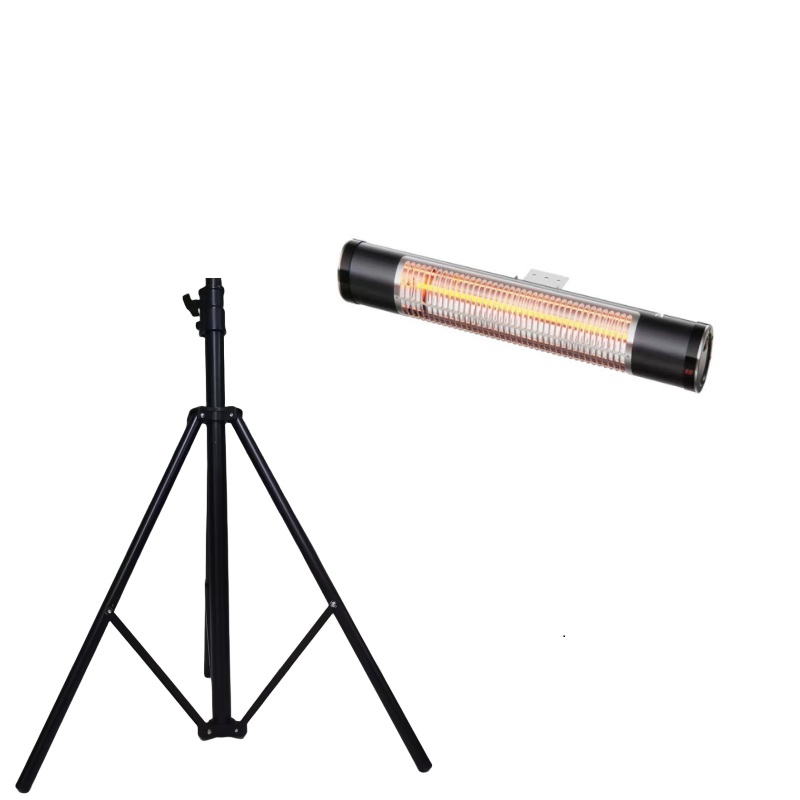
Let’s be honest: bathrooms are a nightmare for electronics. Between the steam and the random splashes, most heating elements just give up. They rust, they short out, and then they’re trash. When we set out to build our infrared mirror heaters, we knew we couldn’t just use “off-the-shelf” parts. We had to figure out how to stop the fog and keep the water out. The struggle with the fog We’ve all been there. You step out of a hot shower, look in the mirror, and see… absolutely nothing. Just a wall of white mist. To fix this, we use short-wave infrared emitters. They warm the glass just enough to keep it above the dew point, so the water droplets never even get a chance to stick. But there’s a catch. It’s a balancing act. If you pump in too much heat, you risk cracking the glass or melting the adhesive. Too little? You’re still wiping the mirror with a towel. We spent a lot of time dialling in the exact heat density for the mirror’s size so it stays crystal clear without overdoing it. Keeping the water out Water and electricity are a terrible mix. Most heaters fail because moisture sneaks into the terminals and fries the wiring. We stopped that by sealing everything in high-temperature silicone and using moisture-resistant gaskets at every single connection point. It means those accidental splashes from the sink or shower just slide right off instead of ruining your circuitry. A few things to keep in mind We use quartz glass tubes because they can handle the shock. They can go from freezing cold to 200°C in a heartbeat without snapping. One tip, though: give the unit some room to breathe. If you jam it too tightly against a wall that doesn’t breathe, the heat builds up and can wear down the sealant over time. Just leave a little gap. And when you’re wiring it up, pleasedouble-check your grounding. It’s the only way to make sure everything stays safe in a damp room for the next five years.