
Stop Overpaying for “Brand Name” Heater Lamps
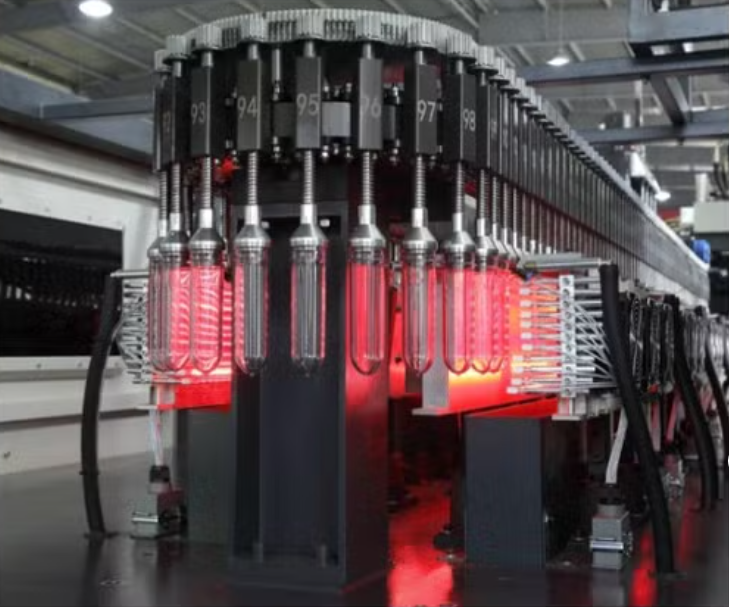
If you’re running Sidel or Krones gear, you already know the drill. You need your preforms preheated perfectly, and you need it to happen fast. But here’s a little secret: you don’t actually need a “proprietary” lamp from the manufacturer. You just need the physics to be right. We built our lamps to be simple, drop-in replacements. They fit about 95% of the blowing machines out there because we didn’t overcomplicate things. We just focused on the stuff that actually matters: the electrical load, the heat footprint, and making sure the connectors actually fit. Let’s talk about the heat. We use high wattage-to-length ratios. In plain English? We cram a lot of power into a small space. With a 400V high-power setup, the PET resin hits that glass transition temperature quickly. It’s efficient. You get a steady heat profile without scorching the outer wall of the bottle. But a word of caution. Pushing 2500W through a short tube creates a lot of heat—not just for the plastic, but for the lamp itself. If your oven’s cooling fans are clogged with dust or grime, these lamps will burn out way faster than they should. Keep your airflow clean, and they’ll last. The nitty-gritty details We use high-purity quartz glass and halogen gas fills. It’s not fancy, but it’s what keeps the filament from snapping. We also coated the reflectors to bounce that shortwave radiation straight onto the preform. Less wasted energy, more heat where it belongs. As for the plugs, we stick to the industry-standard R7s and Sk15 connectors. They aren’t flashy, but they’re rock solid. They seat firmly in the socket without that annoying arcing you see with the cheap, off-brand spares. Swapping them out The best part is that these match the OEM footprints exactly. You can swap them during a scheduled stop without having to mess with your wiring or bend any brackets. We keep these in stock because we’ve been there. We know that one single blown lamp can tank your cycle time and ruin your day. Just do yourself a favor: double-check your voltage and length specs before you plug them in. You don’t want to overload your power supply.