
Making Your Smart Home Actually Warm: A Guide to IP44 Infrared Tables
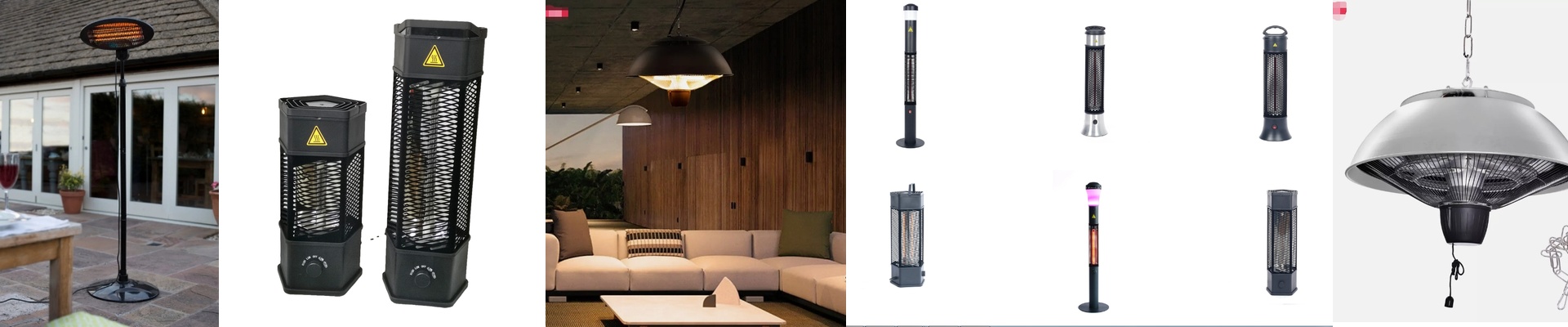
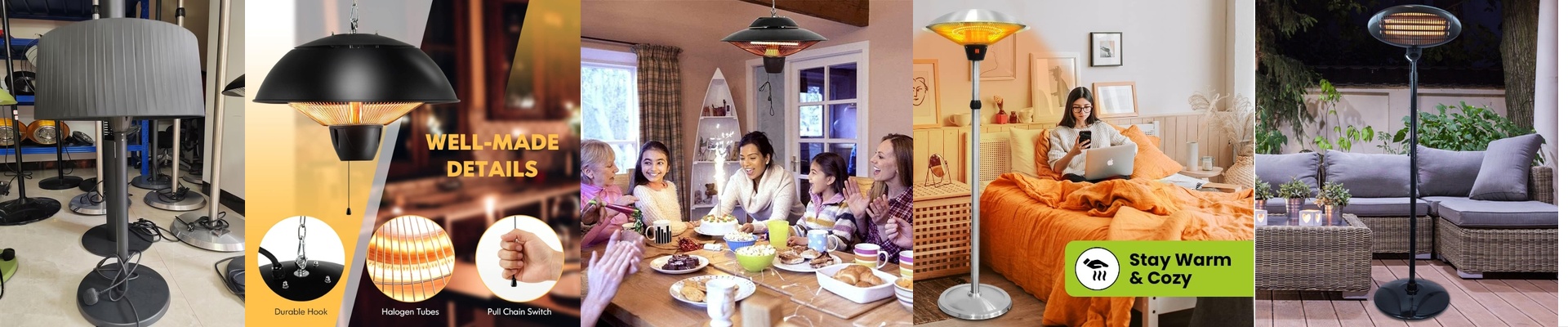
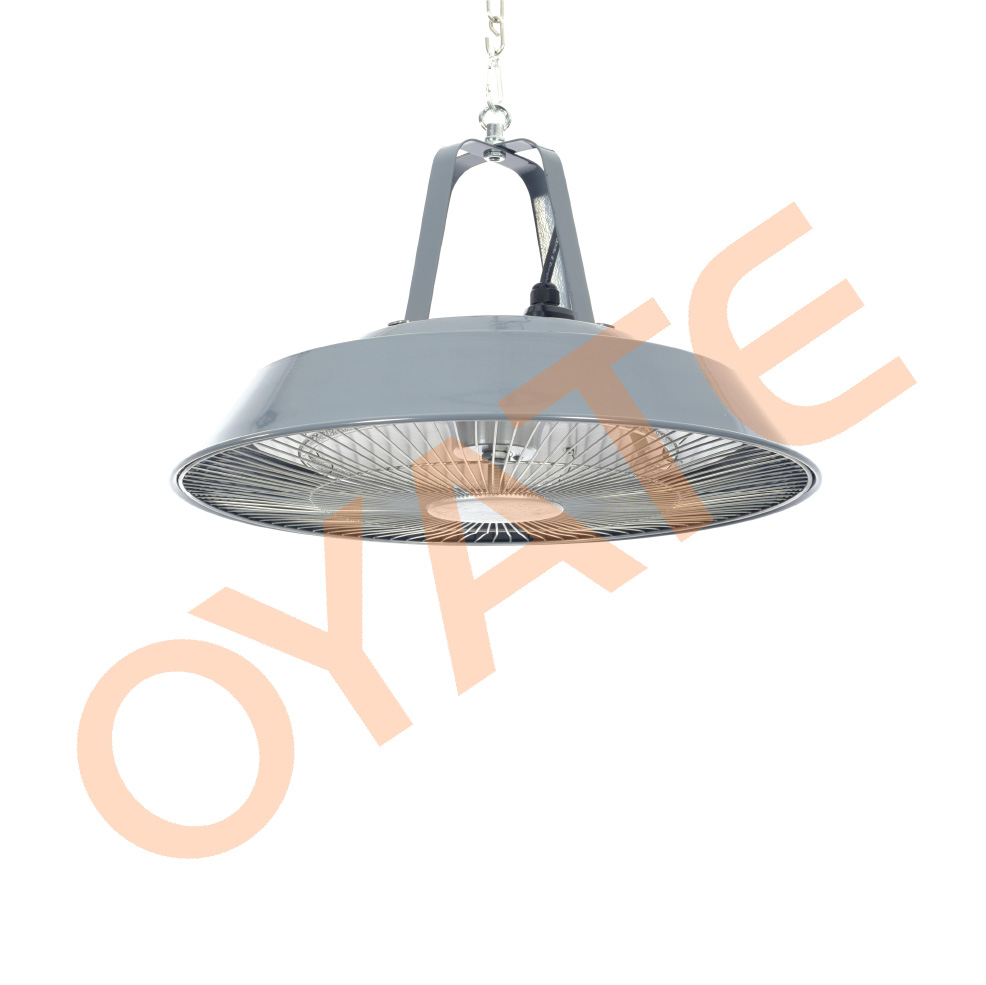
We built our infrared heating tables to survive the real world. You know, the places where things actually get dusty or a bit damp. We gave them an IP44 rating, which is just a fancy way of saying they can handle splashes from any angle and keep the gunk out of the electronics. They’re perfect for those semi-outdoor patios or utility rooms that always feel a little too chilly. Heat that hits you instantly Here is the cool part: these heaters don’t waste time trying to warm up the air around you. Instead, they send out energy that hits your body and turns into heat right on the spot. We use short-wave emitters because they’re fast. Like, really fast. The second you flip the switch, the filament is hot. No waiting around shivering while the machine “warms up.” You just feel it. Getting them to talk to your smart home If you want to control these with your phone or your voice, you’ll need a reliable relay or an IoT controller. We usually wire them into a logic circuit so you can just tap an app and get cozy. It feels like jumping from winter to spring in a heartbeat because the heat ignores the cold air and goes straight for you. But a quick heads-up: these things pull a lot of power. If you’re plugging in a few of these tables to one smart hub, double-check your circuit breaker. You don’t want to kill the power to the whole room just because you wanted to be warm. A few things to keep in mind Since we’ve sealed the housing to keep water out, the air doesn’t flow around the internals as much. This means the outer chassis can get pretty hot. Just make sure you leave plenty of breathing room around the table so it doesn’t overheat. Also, do yourself a favor and use high-temperature cabling for the final hook-up. You don’t want your insulation melting near the heating element. And if you can, use a shielded cable. Otherwise, you might find your smart sensors acting glitchy due to electromagnetic interference.