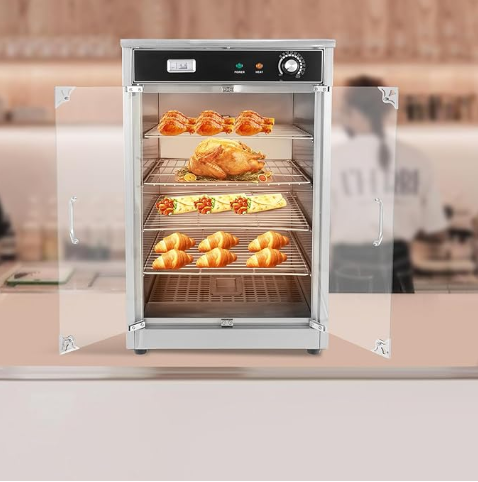
Stop Waiting for Your Oven to Warm Up
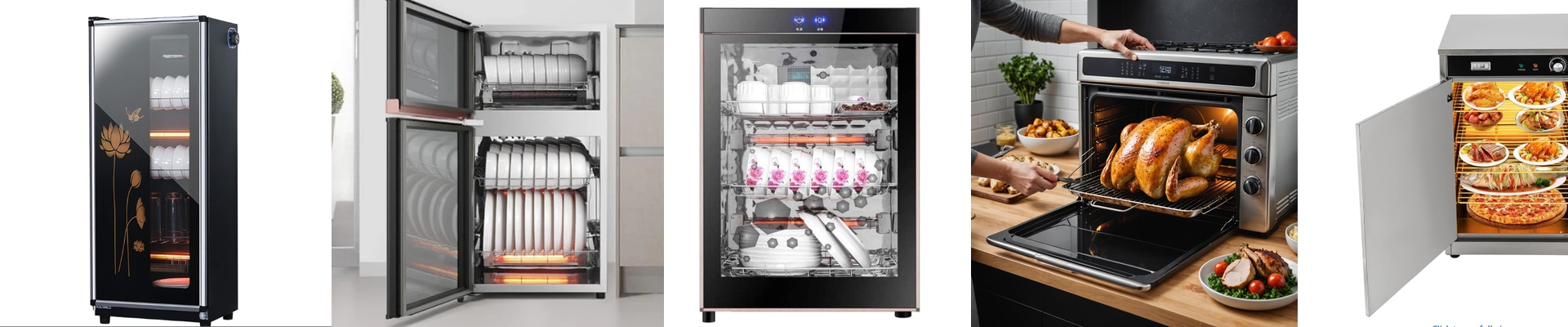
If you’re running a high-volume disinfection or heating setup, you know the real killer isn’t the work itself—it’s the waiting. Standard heating elements are slow. They take forever to get up to temp, which completely messes with your rhythm and slows down your entire cycle. We fixed this by switching to short-wave infrared quartz tubes. Instead of wasting time trying to heat up all the air in the cabinet, these tubes shoot energy straight into the surface of what you’re heating. It’s direct. It’s fast.
How the “Quick-Start” Heat Actually Works
Think of it like this: when you flip the switch on a halogen-filled quartz heater, that filament hits its peak temperature almost instantly. There’s basically no lag. This is huge for a disinfection cabinet. You don’t have to keep the whole chamber idling at a high heat just to be ready. You can just trigger the heat the second the door clicks shut. Not only does this save a ton of electricity, but it also saves your gear. Since the glass isn’t constantly expanding and contracting from being left on, it lasts a lot longer.
The Nitty-Gritty on Design
We use high-purity fused quartz for the outer shell because it can handle the brutal heat of the tungsten filament without warping or bowing. But here’s the thing: you can’t just throw the biggest tube you find into a small box. You have to find a balance. A high-wattage tube puts out a massive amount of heat, but it puts a lot of stress on your wiring and power supply. Push it too hard in a tiny cabinet and you might fry your control board. That’s why we spend time getting the wattage and length just right, and making sure your fans and vents can actually move the extra heat out.
Getting Your Time Back
When you move to short-wave IR, your production window shrinks. If you swap out those sluggish heating coils for these tubes, you’ll notice an immediate jump in how many units you can push through per hour. Plus, the ramp-up is so fast that you can time your disinfection pulse perfectly. You hit the exact temperature you need and then stop, so you don’t accidentally melt or ruin your materials by overshooting the mark.