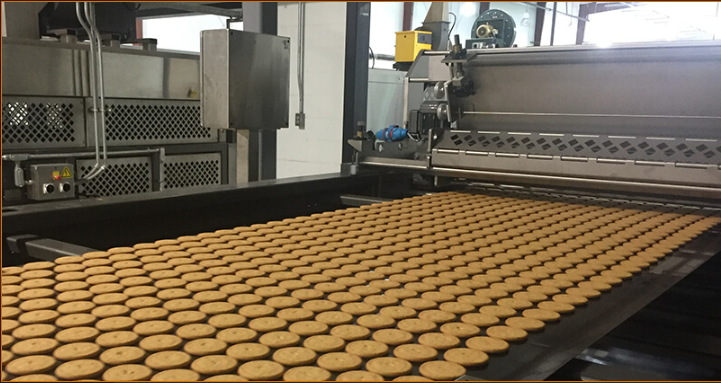
The Secret to a Better Pizza Crust: Clear Quartz Heating
Ever wonder why some pizzas have that perfect, charred outside but stay soft and airy on the inside? It’s not just luck. To get that result, you can’t just heat up the air in the oven. You need short-wave infrared (SWIR) radiation. We use clear quartz heating bulbs to make this happen. Instead of just warming the air around the dough, these bulbs send energy straight into the food. Getting the heat where it matters Here is the thing about clear quartz: it lets infrared energy fly right through the glass without getting stuck. Most heaters rely on convection—basically moving hot air. But these bulbs send out photons that make the water and fat molecules inside the dough vibrate. It’s like a deep-tissue massage for your pizza. This means the center cooks through before your toppings turn into charcoal. We push for high-wattage density because that “oven spring”—that sudden puff of the crust—needs to happen fast. The nitty-gritty on the gear We use high-purity fused quartz because it can take a beating. These tubes are tough. They can go from room temperature to 600°C in a heartbeat without cracking. Most of our bulbs are filled with halogen gas. That’s a little trick to keep the tungsten filament from evaporating too quickly, which means the bulbs last a lot longer. When it comes to wiring, we stick with R7s or SK15 connectors. They fit tight and keep the electrical resistance low. Just a heads-up: if you’re building a high-voltage system, that extra wattage creates a lot of heat. Make sure your chassis has plenty of vents, or you’re going to end up with melted sockets. The one big catch The best part? These bulbs are instant. No waiting around for the oven to warm up. You flip a switch, and you’ve got heat. But there is a trade-off: they’re fragile in a weird way. Quartz hates oil. If your staff touches the glass with bare hands, the oils from their skin create “hot spots.” Once that happens, the tube will likely crack. Do yourself a favor and use gloves during installation. It’s a small step that stops your bulbs from burning out way too soon.