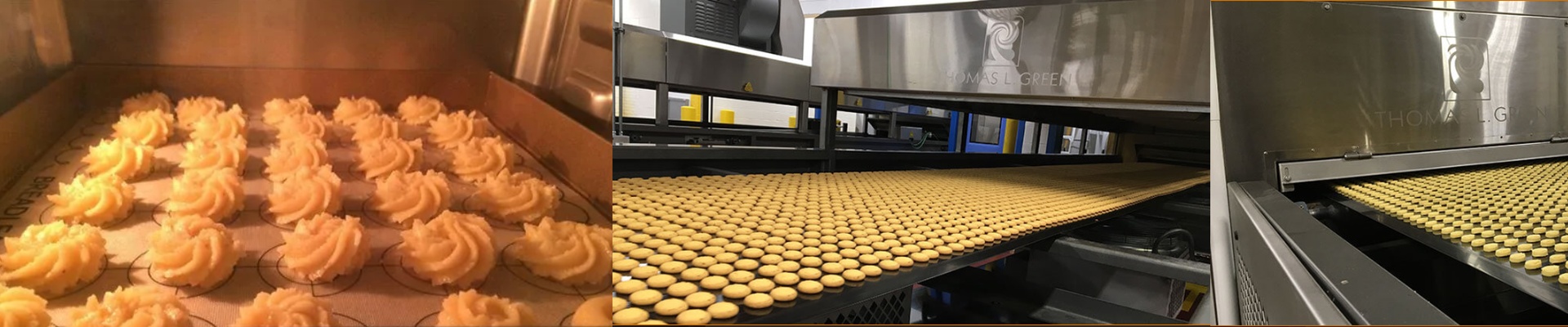
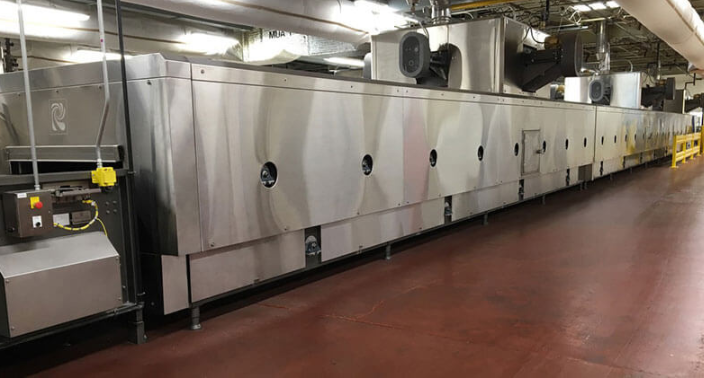
Ever tried to get that perfect golden-brown crust on a pizza, but ended up with something that looks more like a pale biscuit? It’s frustrating. The secret isn’t just “more heat”—it’s all about how you use infrared (IR) intensity. You’re basically trying to trigger that delicious browning on the surface without turning the inside of your bread into a crouton. Finding the Sweet Spot Here’s the thing about IR: different wavelengths do different jobs. Short-wave heat dives deep into the dough, but medium-wave is what really hugs the surface. That’s why we stick with high-intensity medium-wave tubes for top-heating. If the intensity is too low, your bread just sits in the oven too long. You end up with a dry interior and a sad, pale crust. But if you crank the wattage too high? You’ll burn the edges to a crisp before the middle even thinks about being cooked. Getting the Specs Right We don’t believe in “one size fits all.” We build these tubes to fit your exact footprint. Whether it’s a weird length or a specific voltage to match your control board, we dial it in so your equipment doesn’t burn out prematurely. Now, high-wattage tubes are great for fast-firing ovens, but there’s a catch. More power means more stress on your wiring. Just make sure your relays can actually handle the current draw, or you’re going to end up with melted terminals. Not a fun way to spend a Tuesday. The Material Side of Things We use quartz glass because it lets the heat through beautifully. If you’re looking for a softer, more gradual heat, we can add custom coatings to shift the spectrum. Just a heads-up: those coated tubes give you a more even brown, but they’re a bit more delicate. Be gentle when you’re installing them. And remember, distance matters. If you move the tube further away from the pizza, you’ll need to bump up the wattage to keep that surface temperature where it needs to be. It’s all about balance.