Stop Losing Money Every Time the Temperature Drops
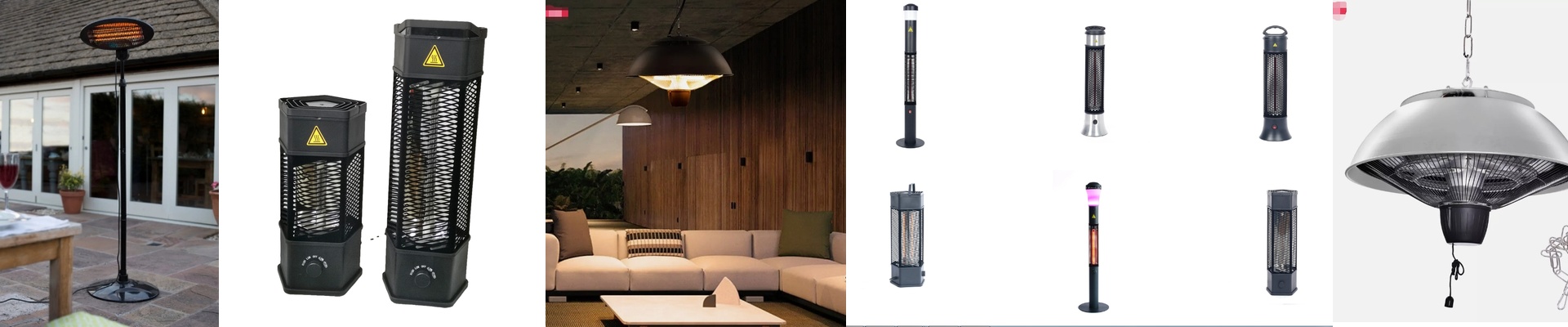
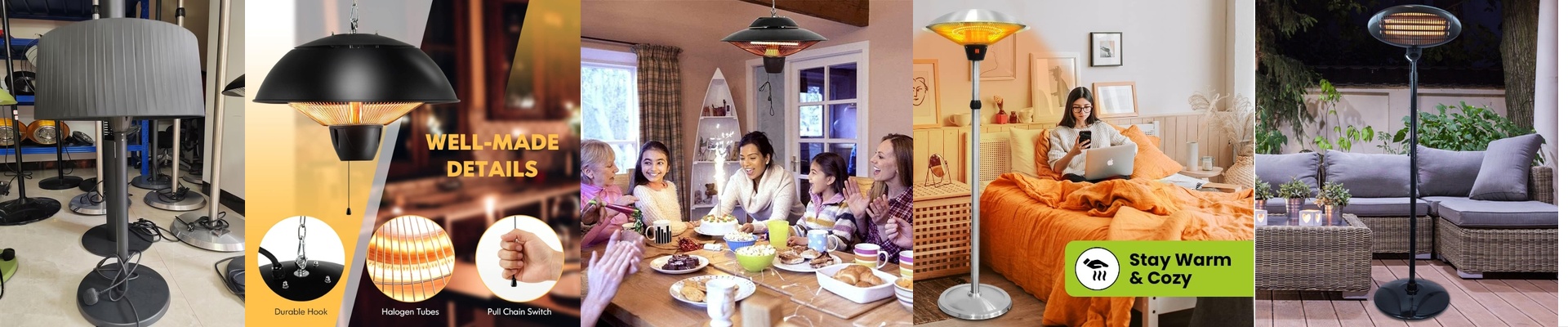
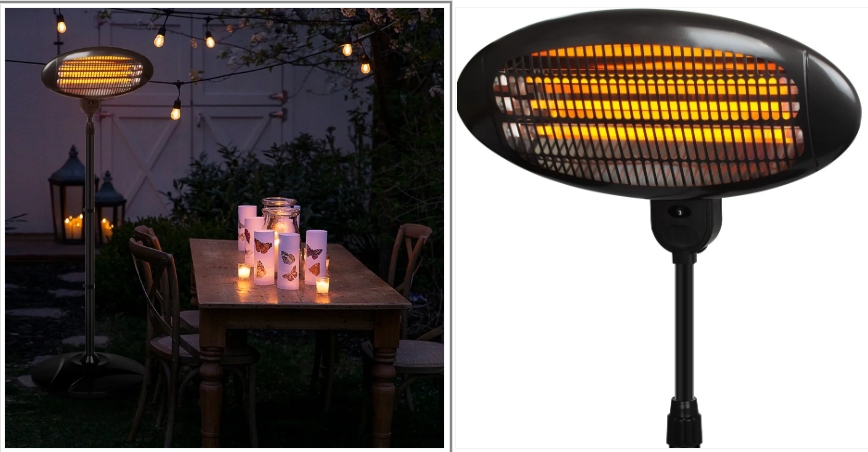
It’s a classic problem. The moment it gets chilly, your outdoor seating becomes a ghost town. You’ve got the space, you’ve got the vibe, but nobody wants to freeze while eating their appetizer. Most people try to warm the air, but in an open-air patio, that’s a losing battle. The wind just carries the heat away. That’s why we stick with waterproof infrared (IR) heaters. Instead of fighting the breeze, these things beam heat directly onto your guests. It feels like sitting in a patch of sunlight on a winter day. Getting the heat right We usually go with short-wave infrared emitters for restaurants. They hit harder and penetrate deeper, so your customers actually feel warm, not just “less cold.” But here is the trick: placement is everything. If you mount them too high, the heat vanishes before it hits the table. Too low? You’ve created a “hot spot” that makes people sweat, and they’ll end up moving—or worse, leaving. You have to nail the height to get that perfect, cozy glow. Built to take a beating Outdoor gear gets hammered. Rain, humidity, and salt air are basically designed to kill electronics. We use IP-rated housings and sealed connections because, trust me, a cheap chassis won’t last. If the seals aren’t tight, the wiring inside will oxidize and fry by the end of the first season. We wrap the elements in quartz glass to keep them safe and clean. It’s about buying it once and not worrying about it for years. The bottom line (and the power bill) Turning your patio into a year-round spot is a massive win for your wallet. When people are comfortable, they stay longer, order that extra round of drinks, and your table turnover stays steady even in November. Just a heads-up on the electrics: these things are power-hungry. A row of 2000W heaters can easily trip a breaker if your panel isn’t ready for it. You don’t want your lights going dark right in the middle of the Saturday night rush. Make sure your electrician uses heavy-gauge cabling so you don’t lose voltage over long distances. Get the power right, get the placement right, and you’ve basically just added a new room to your restaurant.