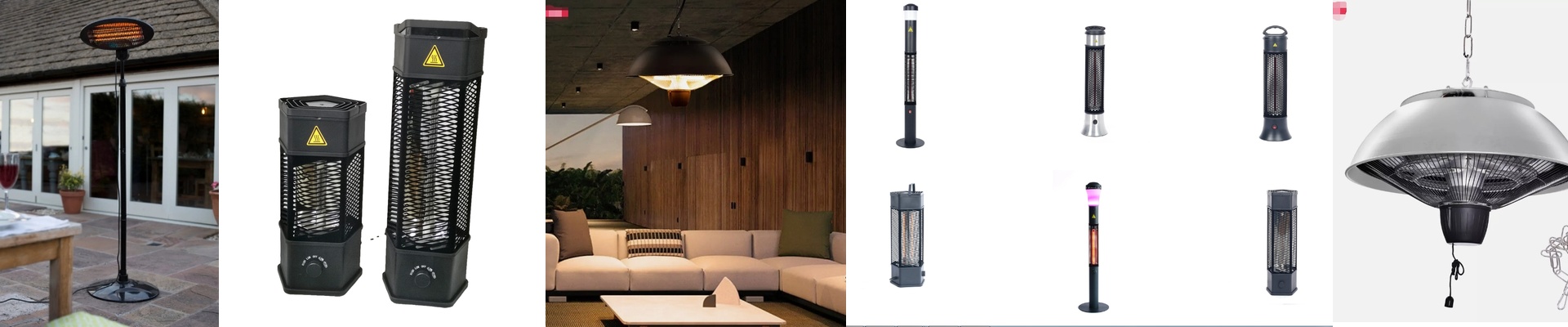
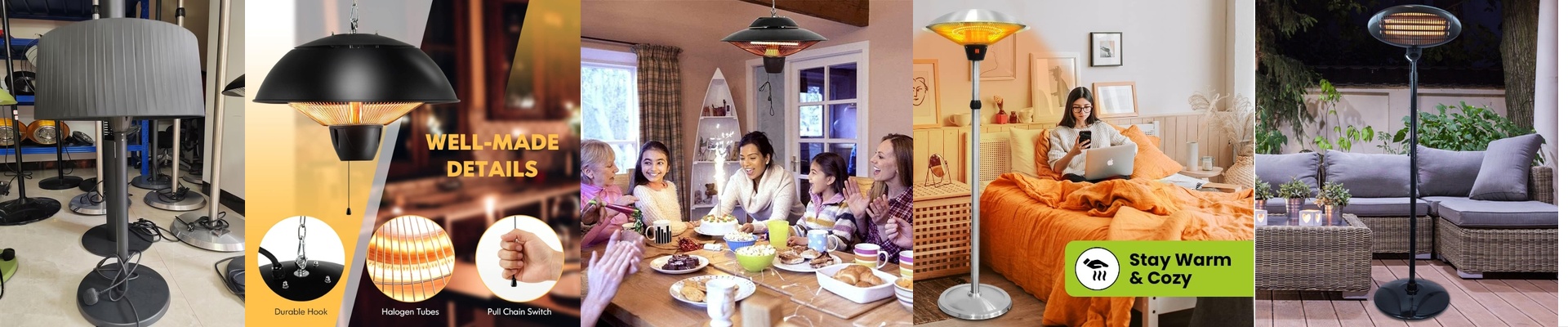
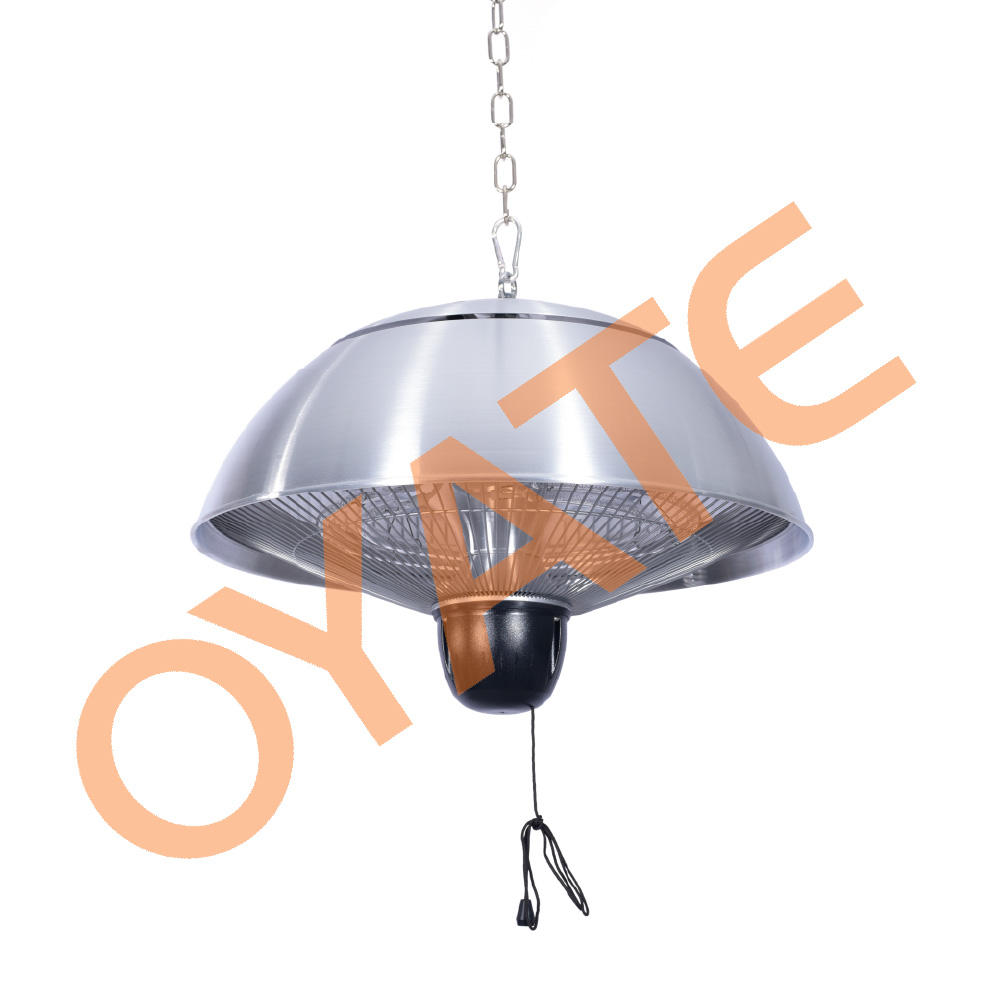
A patio that sits empty half the year isn’t just wasted seating—it’s lost revenue, and it drags down a property’s energy performance. When guests bail on the outdoors after the sun goes down, the fix isn’t more bulk heat that rises and disappears. It’s targeted infrared warmth that lands right where people are sitting.
What matters, technically
We build commercial outdoor heaters around radiant efficiency, not wasted air movement. The units use short-wave infrared elements to put heat directly on tables, chairs, and diners—warming people first, surfaces second. You get a fast warm-up and steady comfort without throwing heat into the empty night sky. Most installations run on standard electrical supplies, and the housings are sealed with tip-over protection—because service areas get busy and bumps happen. Infrared warmth feels immediate because it transfers like sunlight: you feel it the moment the beam hits you, even when the surrounding air is still cool.
Why this works for commercial properties
For property owners, this approach supports sustainability goals by cutting wasted energy and lowering overall consumption. Patios stay usable longer, which boosts revenue per square foot without adding noisy equipment or open flames. That extended season translates into better customer satisfaction and strengthens the property’s long-term appeal. From an ESG angle, less wasted energy and responsible outdoor comfort show up as measurable operational improvements—numbers investors and tenants care about.
The details that make the difference
Infrared heat is directional, so placement matters. Plan for even coverage across seating zones, and watch out for mounting that leaves corners in the shadow of the beam. Most units are built for outdoor exposure, but they still perform best when you keep them out of direct water spray and heavy wind. Pair the heater with a compatible thermostat, and you keep comfort consistent while preventing overheating during shoulder seasons.