
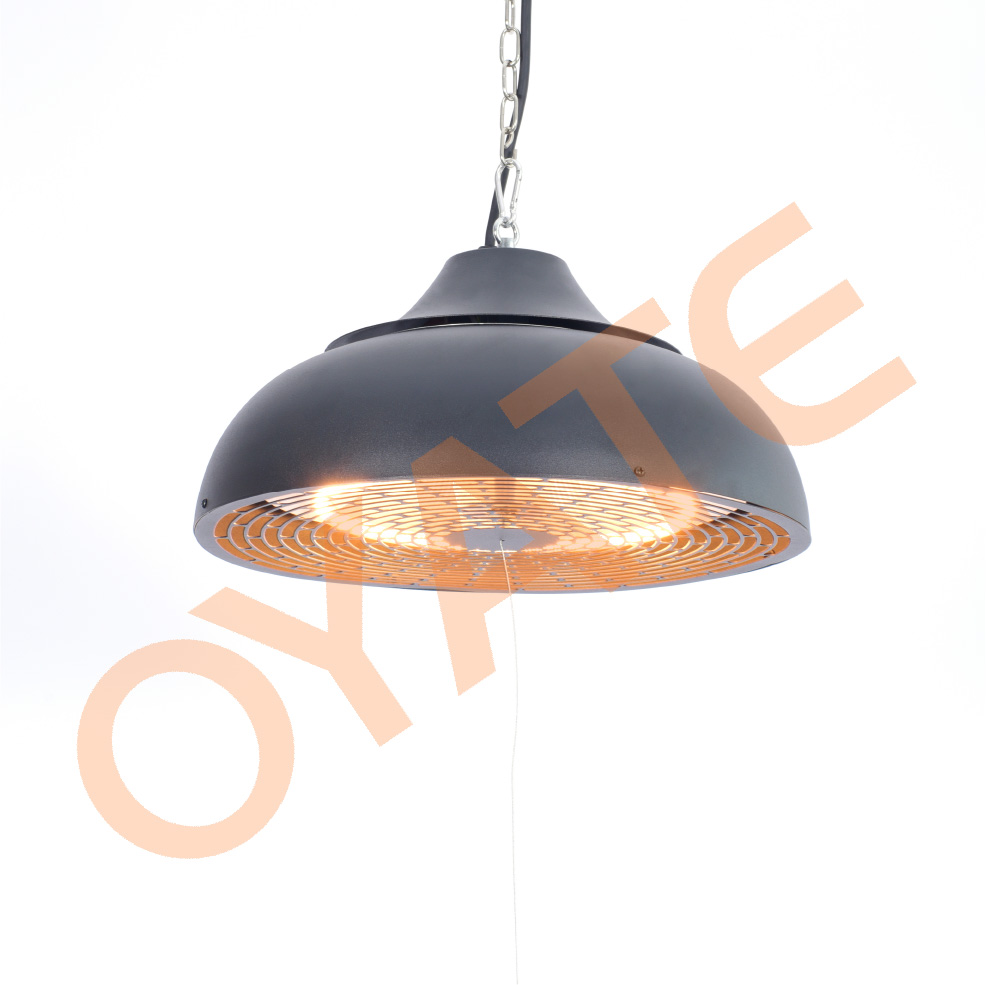
If you’ve ever used ceiling-mounted infrared heaters, you know the frustration. They usually die way too soon. Why? Because they’re basically sitting ducks for everything floating up in the air—mostly moisture and grime. When steam or dust hits a scorching hot quartz tube, it leaves behind nasty mineral deposits or just shocks the glass into breaking. We got tired of seeing that happen, so we built some anti-fog and splash-proof barriers right into our newest line. Dealing with the mess Here’s the thing about standard lamps: they’re prone to “spotting.” A little bit of oil or a random splash of water hits the element, creates one tiny, super-hot spot, and pop—the tube is gone. To stop that, we used a sealed housing that basically shunts liquids away from the electronics and the heater surface. It keeps the quartz clean. This is a huge deal if you’re running a wash bay or a food plant where the air is basically a sauna. Keeping it tough We spent a lot of time on the seal between the housing and the ceiling mount. We wanted something that could handle a bit of a beating from steam or a stray spray without shorting out the whole system. But a quick heads-up:**let the unit cool down before you clean the lens.**If you blast cold water onto a 2000W element while it’s running, that quartz is going to crack. No matter how good the housing is, you can’t fight basic physics. What this actually means for you In the real world, this just means you stop replacing lamps every few months because of corrosion or gunk. You can actually run these for thousands of hours without worrying. Plus, because the anti-fogging tech stops condensation from blocking the heat, you don’t have to crank the power just to feel the warmth. Your energy bills stay where they should be. It’s just a simpler, cheaper way to keep the place warm without the constant maintenance headache.