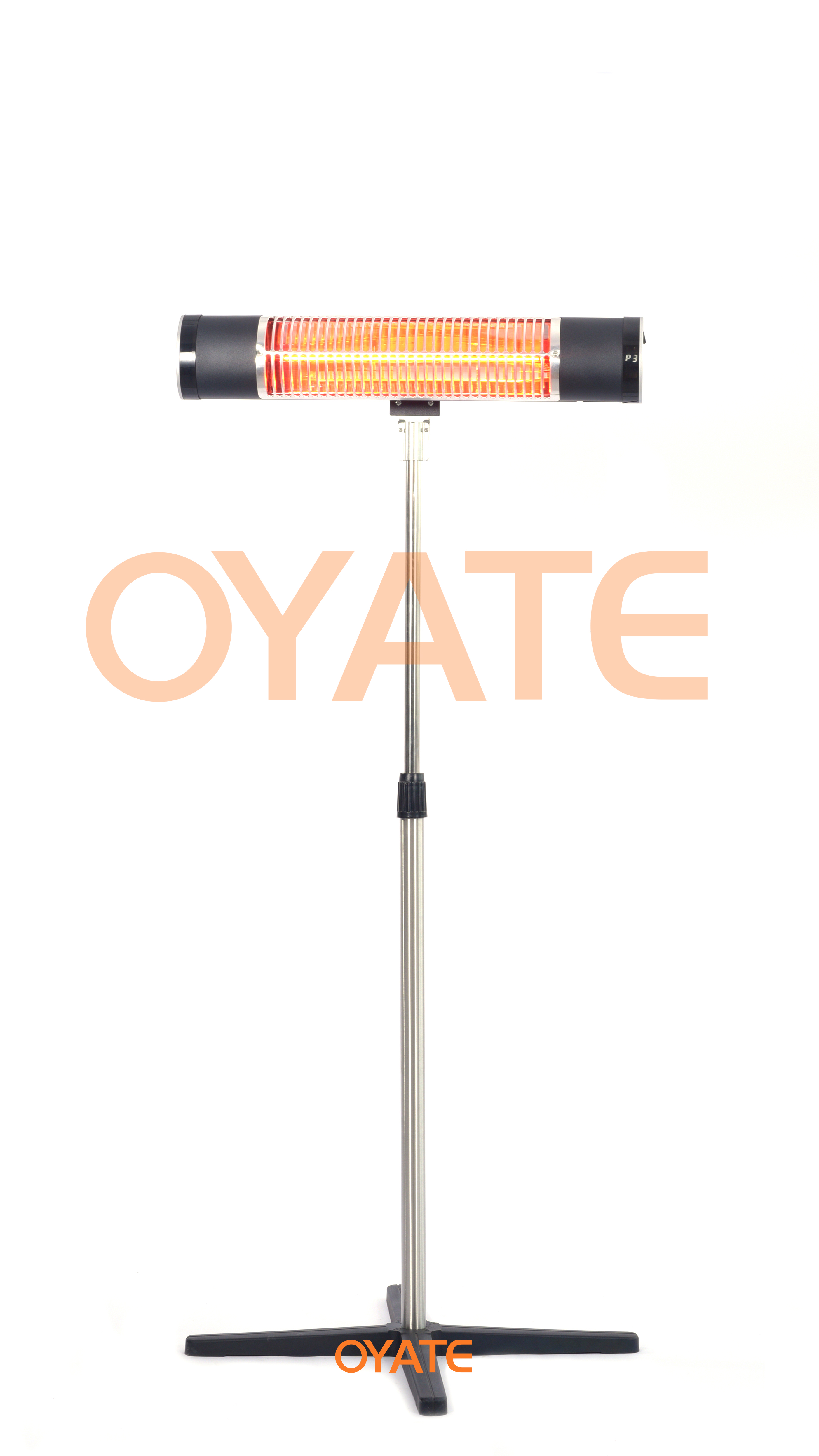
Keeping Your Bathroom Infrared Heaters from Shorting Out
Putting an infrared heater in a bathroom is a bit of a gamble if you aren’t careful. You’ve got steam everywhere and water splashing around. If the insulation isn’t exactly right, those heating elements will short out or, worse, start leaking current. To actually keep things safe, you have to obsess over two things: the junction points and how the housing is sealed.
Dealing with the Damp
We stick with high-grade quartz glass and specific ceramic insulators. Why? Because we need to keep the live current as far away from the chassis as possible. But here’s the thing: it’s not just about a big splash of water. The real enemy is that thin layer of condensation that builds up on the lamp. It’s conductive. To stop that, we use enclosures rated IPX4 or higher. And a quick tip—never skip the drip loop. If you don’t have one, moisture just hitches a ride along the cable and slides straight into the socket. Not a good look.
Fixing the Weak Spots
The connection is always where things fall apart first. We don’t use standard metal clips because they just rust. Once they rust, you get these high-resistance joints that eventually burn themselves out. Instead, we use corrosion-resistant alloys and silicone-sealed gaskets. Hermetically sealed connectors basically lock the humidity out entirely. Also, please, just check your grounding. A dedicated earth bond is a must. We build a Leakage Current Circuit Breaker (RCCB) right into the design. That way, if a seal ever gives way, the power cuts off before anyone even feels a tingle.
The Balancing Act: Heat vs. Seals
This is the tricky part. If you seal everything too tight to keep the water out, you trap the heat inside. If you wrap a heating element in a completely airtight sleeve, you’ll probably fry the internal wiring. It’s a trade-off. You need a high IP rating, but the electronics still need to breathe. If the housing is too suffocating, the thermal stress just eats away at the insulation. Eventually, the lamp just dies early.