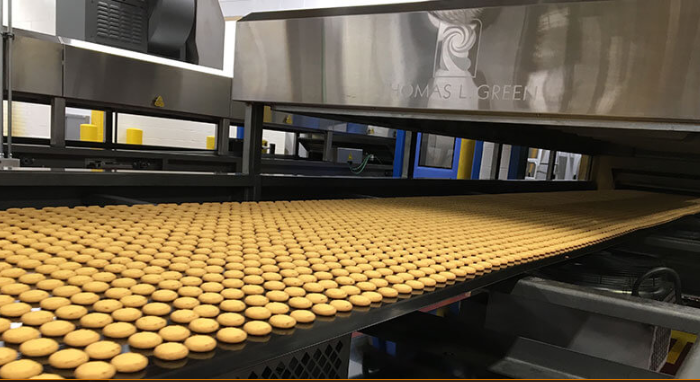
Stop Waiting on Your Oven: The Secret to 90-Second Pizzas
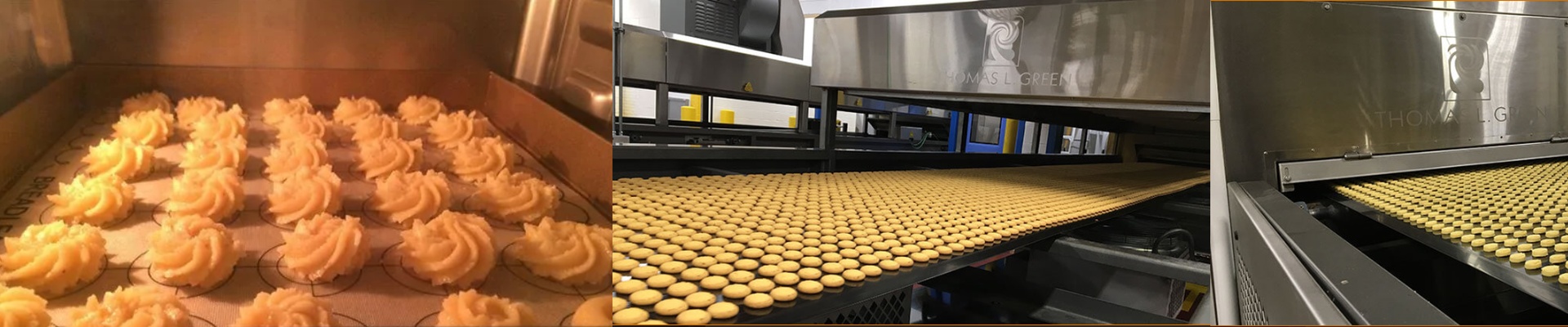
If you’ve ever used a standard convection oven, you know the drill. You’re basically heating up a giant box of air and hoping that air eventually cooks your pizza. It’s slow. If you want to slash your bake time from five minutes down to just 90 seconds, you have to stop messing around with hot air. You need direct, radiant energy. That’s where our Nichrome ceramic heaters come in. How it actually works We take Nichrome (a nickel-chromium alloy that doesn’t freak out at high temperatures) and tuck it inside high-purity ceramic tubes. Think of it like this: instead of warming up the whole room to dry your clothes, you’re using a hairdryer. You aren’t waiting for the oven cavity to get hot; you’re hitting the dough directly with short-to-medium wave infrared radiation. It penetrates the surface immediately. And unlike those quartz lamps that shatter the moment someone bumps into them, these ceramic heaters can take a beating. They’re built for the chaos of a real industrial kitchen. Getting the heat right To hit that 90-second mark, we pack a lot of power into a small space. We call it high watt density. The best part? You can wire these into zoned controllers. This means you can crank the heat on the bottom for a crispy crust while keeping the top just right so the cheese browns without burning. One heads-up, though. When you push this much energy into a small area, the oven housing is going to get hot. Really hot. You’ll want to make sure your ventilation and insulation are spot on, or your external panels will become a safety hazard. Why bother with ceramic? Metal sheath heaters are just too sluggish. They have this “thermal lag” that makes precision a nightmare. Ceramic is different. It reacts almost instantly. You can ramp up to 300°C and drop back down without that annoying “overshoot” you get with heavy steel or cast-iron elements. It’s the difference between a light switch and a slow-dimmer. You get that perfect balance where the cheese is bubbly and the crust is fully cooked through, rather than having a burnt top and a raw center. Plus, it’s a simple swap for slower systems. You get way more output without having to clear out more floor space in your shop.