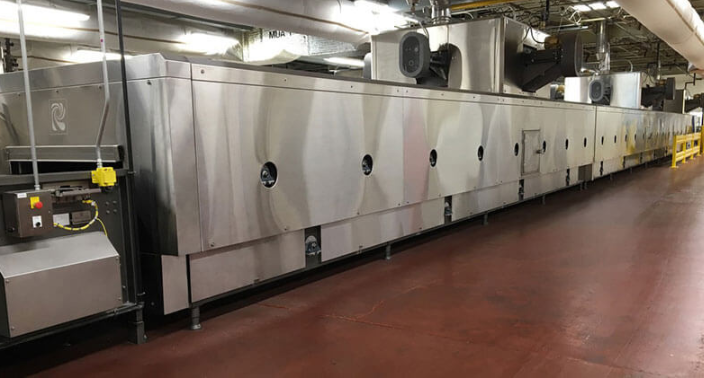
Why We Use Single-Tube Quartz Heaters for High-Stakes Baking
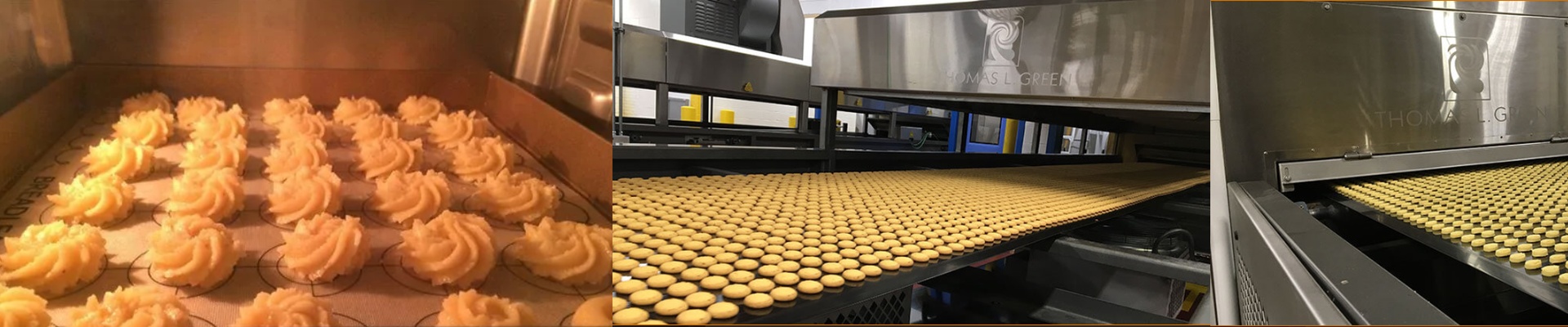
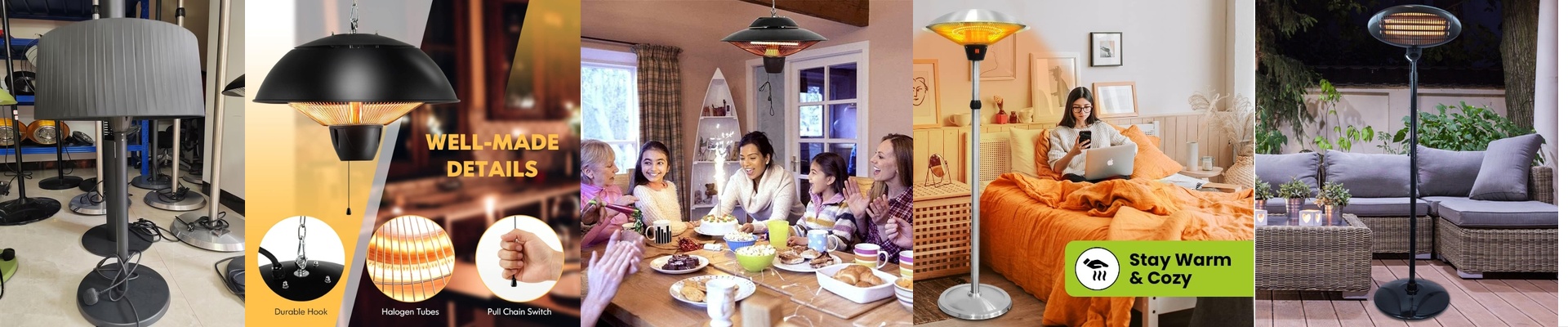
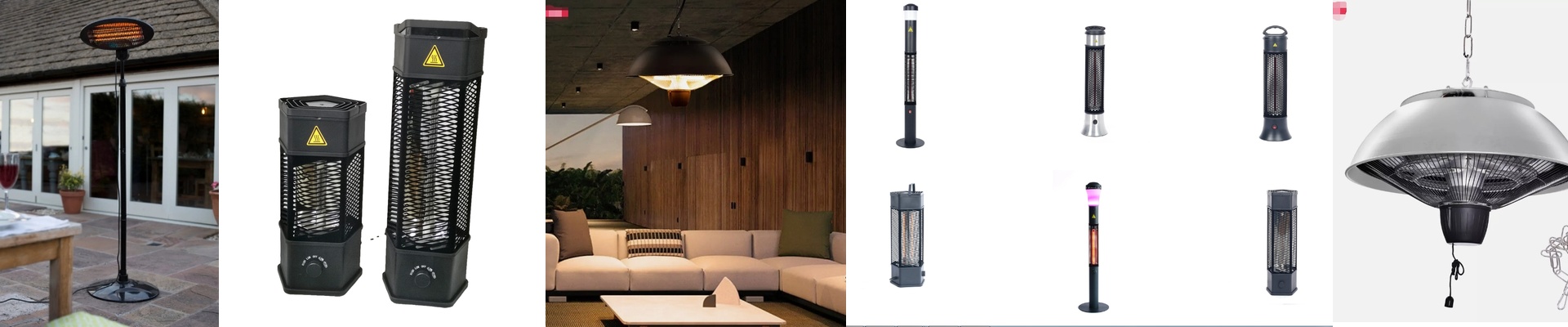
If you’ve ever tried a really difficult bake, you know that just setting a dial to 350°F isn’t enough. You need to be able to step the temperature up and down with total precision. That’s why we went with single-tube quartz halogen heaters. The big win here is speed. Traditional metal heating elements are like old radiators—they take forever to warm up and keep bleeding heat long after you’ve turned them off. Quartz is different. It hits the target temperature in seconds. And the moment you cut the power? It cools down just as fast. It’s almost instant. Because these tubes have very little “thermal mass,” we can pulse the power. This lets us keep the temperature in a tiny, tight window without that annoying “overshoot” where the oven gets way hotter than you actually wanted. If you’ve got a fast controller, you can jump from a searing heat to a gentle hold without breaking a sweat. Now, let’s talk about how they actually work. We use high-purity quartz glass to wrap the tungsten filament. This is key because it lets the infrared heat pass right through the glass. Instead of just heating up the air and hoping for the best, the heat hits the food directly. But there’s a catch. Quartz can handle the heat, but it hates being shaken. If your oven chassis vibrates too much, those tubes will snap. You have to be careful with the build. Getting these into a kitchen oven is pretty simple, but the heat is incredibly concentrated. If you don’t position them just right, you’ll end up with hot spots that burn your crust before the middle is even cooked. And honestly? They’re fragile. You aren’t going to find the same ruggedness here as you would with a stainless steel heater. But for us, that’s a trade-off we’re happy to make. We’ll take the fragility if it means we get that level of thermal control.