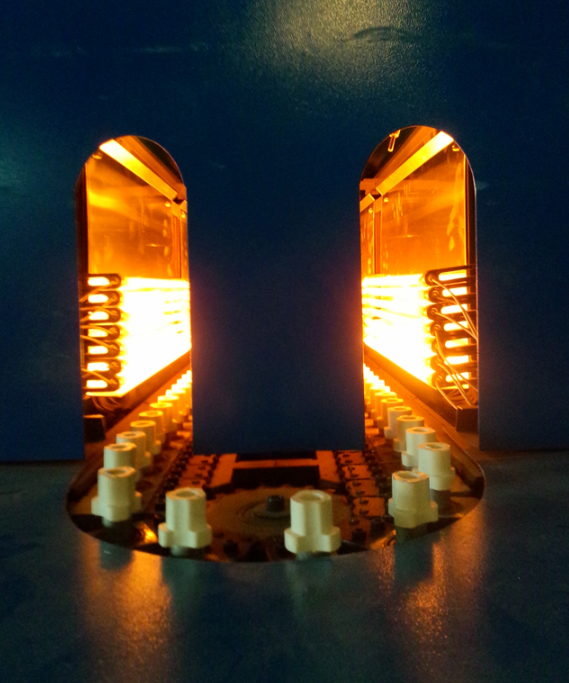
Getting Your IR Radiators Right: No Stress, Just Heat
If you’ve ever worked with PET blow molding, you know the struggle. You need the preforms soft enough to shape, but if you push too hard, you end up with scorched plastic and a lot of wasted material. It’s a balancing act. That’s why we built our IR replacement bulbs to just work. Whether you’re running SMF or another global system, these are designed to slide right in without you having to rewrite your entire setup. The fit is the easy part. We keep things simple. We stick to the standard footprints—mostly R7s or SK15 connectors—so the tubes fit your lamp holders perfectly. You won’t have to go digging for tools to modify your machine’s chassis. It just clicks into place. But here is where people usually trip up: the power. Voltage and wattage can be tricky. We offer tubes from 230V up to 400V. If you need fast cycle times, a 400V high-wattage tube is your best bet for that heavy-hitting heat density. Just a heads-up: double-check your power supply and SCR controllers. If the wattage doesn’t match, you’re looking at a bulb that burns out way sooner than it should. Let’s talk about the glass. We use heavy-wall quartz because thin glass warps when things get hot. To make sure the heat actually gets into the plastic, we use specific coatings that push the energy toward short-wave IR. Why does that matter? Because it stops the “skin effect.” You know the one—where the outside of the preform is melting but the core is still cold. Short-wave radiation digs deeper, heating the plastic evenly. A few pro tips for the install. Swapping these bulbs is a breeze, but there’s one rule:don’t touch the quartz with your bare hands. The oils from your skin create hot spots on the glass, and that’s a fast track to a dead bulb. Grab some alcohol and wipe them down before you wire them up. Your future self will thank you. One last thing. High-density lamps put out a ton of ambient heat. If you crank up the wattage to speed up your production, make sure your cooling fans can keep up. If the housing gets too hot, the life of your lamp plummets. Keep it cool, and they’ll last.