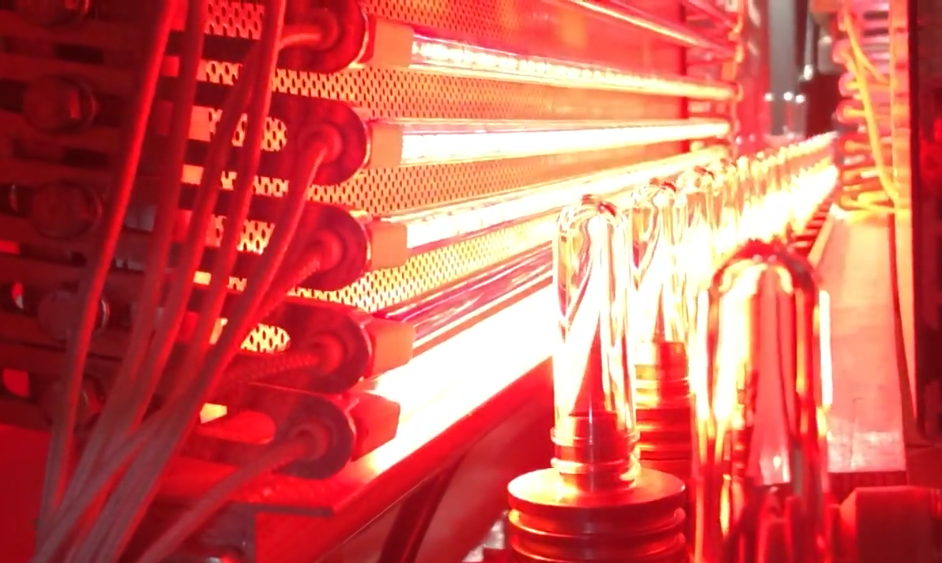
Getting More Out of Your Old SIG Blow Molding Machines
You don’t actually have to rip out your entire oven just to get more bottles out the door. Usually, the real problem is just the heating profile. When your lamps start dimming or hitting the preforms unevenly, you end up with wonky wall thickness and a mountain of scrap. It’s frustrating.
The trick to heat density
We build our replacement lamps to cram more energy into the PET preform in a much shorter window. By cranking up the wattage per millimeter, the plastic hits that “sweet spot” temperature faster. But here’s a heads-up: if you go with higher voltage or wattage, check your ventilation. If the oven can’t breathe, the frame just soaks up all that extra heat. That’s how you warp your reflectors and kill your lamps way sooner than you should.
Quartz and the “small stuff”
We use heavy-wall quartz glass. Why? Because these tubes expand and contract constantly, and cheap glass just snaps under that kind of pressure. We also use a halogen gas fill to keep the filament from burning out—which is exactly what happens with those generic, bargain-bin replacements. And for the SIG machines, the fit is everything. A loose R7s or SK15 socket isn’t just annoying; it creates an arc. That little spark will melt your wiring harness long before the lamp even gives up. We machine our ends to tight tolerances so they just snap in and stay put. No wiggle room.
The reality of the swap
Swapping in high-output lamps is one of the fastest ways to bump up your cycles per hour. Your heat distribution gets tighter, and the preforms look better. Just don’t expect it to be a “plug and play” miracle. You’ll need to spend some time tweaking your PLC timing and adjusting the conveyor speed to match the new heat flow. If you just swap the bulbs and walk away, you’ll likely overcook the PET and end up with that cloudy, pearlescent look in your bottles. Take a minute to dial it in, and you’re golden.