Why the Pros are Switching to IR Ovens
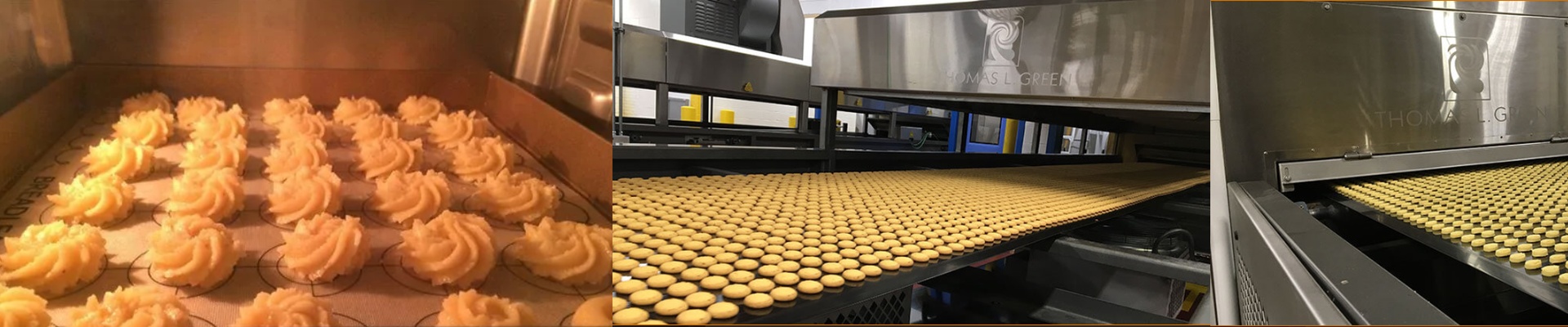
Most ovens just heat up the air and hope for the best. But air is slow. If you’ve ever waited forever for your oven to actually hit temperature, you know the struggle. That’s why the best bakers use infrared (IR) emitters. Instead of warming the air around the bread, we use quartz-halogen tech to shoot heat straight into the dough. It’s a total shift in how the heat actually works. Think of it like the sun. You don’t feel the air around you get hot before you feel the sun on your skin; you feel the warmth instantly. That’s what’s happening here. These IR waves travel in a straight line and hit the bread, making the molecules vibrate and create heat on the spot. This is the secret to that massive “oven spring.” The bread pushes upward fast, getting that perfect height before the crust locks everything in place. When we’re actually building these things, we stick with high-purity quartz glass. Why? Because it can handle being blasted with heat and then cooled down without just cracking. But you have to be careful with the power. A high-wattage tube gives you a killer sear, but if you go too overboard without checking your voltage and wiring, you’ll end up frying your relays. It’s a balancing act. On the hardware side, we usually go with R7s or SK15 connectors. They’re simple, they fit securely, and they work with most industrial setups. You also get a choice on the glass: clear quartz if you want the heat to penetrate deep, or coated tubes if you want the heat to spread out a bit more evenly. One thing to keep in mind: IR creates some serious localized heat. It’s great for the crust, but it puts your ventilation to the test. If your cooling system can’t keep up with the heat building up around the lamp housing, your connectors will start to degrade over time. Keep an eye on that. At the end of the day, adding IR to a convection oven just makes life easier. Your pre-heat times drop. You get way more control over that golden-brown Maillard reaction. It’s all about using the right tool for the job: IR for the crust, convection for the crumb.