Stop Buying New Ovens Every Time a Heating Element Dies
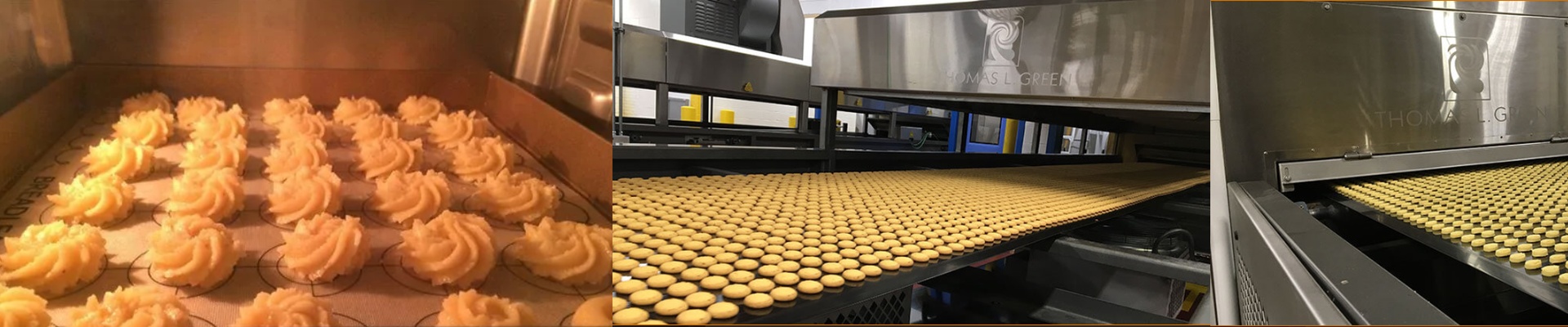
If you run a bakery chain, you know the drill. An oven goes down, a heating tube burns out, and suddenly you’re staring at a massive invoice for a brand-new OEM unit. It feels like the only choice, but honestly? It’s a waste of money. There’s a much smarter way to handle this. Instead of replacing the whole machine, you just swap out those standard heating elements for high-spec infrared (IR) lamps. You keep the heat, you keep the quality, but you stop bleeding cash on overpriced equipment. How it actually works Most ovens rely on moving air to get the job done. IR lamps are different. They send radiation straight into the dough. Think of it like stepping into the sun on a cold day—you feel the heat instantly, even if the air around you is chilly. Because the heat goes directly into the product, you don’t need those massive, clunky insulated housings or heavy-duty fans to do the heavy lifting. You can often get away with a smaller, cheaper oven frame and still get a perfect bake. Picking the right tube You can’t just grab any lamp off a shelf and hope for the best. You’ve got to look at the wattage-to-length ratio. A tube with high power density lets you keep your footprint small, which is a lifesaver in a crowded kitchen. But here is the important part:**match your voltage.**If you’re on a 220V system, stick with a high-wattage quartz tube. It ramps up the heat fast, which is exactly what you need when the morning rush hits and you’ve got a line out the door. The honest trade-off Look, these aren’t magic. IR lamps don’t last forever. They won’t live as long as those old, heavy cast-iron elements. They will eventually burn out. But let’s do the math. Compare the cost of a few replacement lamps over a couple of years to the cost of a full-blown oven replacement. It’s not even a contest. The lamps win every time. The trick is to keep a few spares on the shelf. That way, when one goes, you’re back in production in minutes, not weeks. You still get that perfect crust and crumb. You just stop paying a “brand name tax” for a metal box.