Getting Your Oven Temps Exactly Right (Without the Lag)
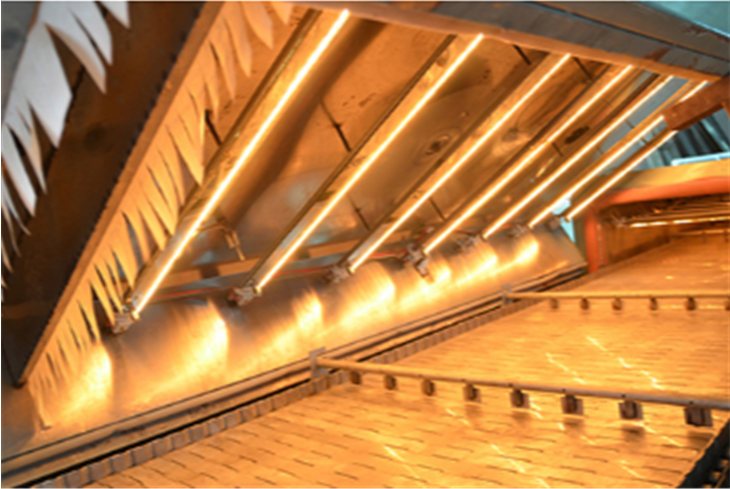
If you’ve ever tried some of the trickier baking projects, you know that just setting a temperature isn’t enough. Sometimes you need the heat to jump or drop in a heartbeat. The problem is that most main heaters are slow. They’re like big old radiators—they take forever to warm up and even longer to cool down. By the time they hit the mark, they usually overshoot it, and suddenly your bake is ruined. To fix this, we bring in auxiliary heating lamps. Think of them as the “sprinters” that bridge the gap while the main heater catches up.
Why these lamps actually work
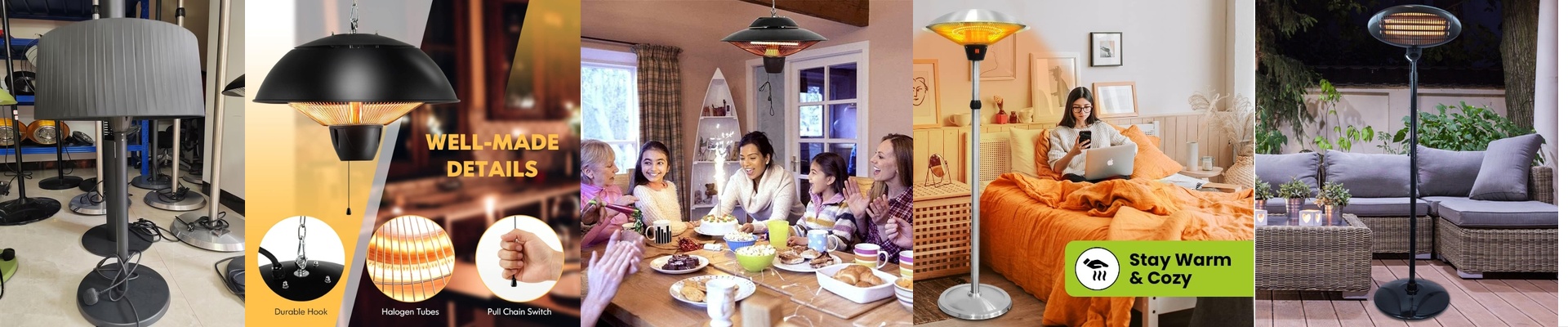
Most heaters rely on convection, which is slow. But short-wave infrared quartz lamps use radiation. The filament hits its peak temperature almost the second you flip the switch. It’s nearly instant. Because of that, you can run “second-level” cycles. When your controller decides it’s time for a change, the lamp just does it. No waiting around. No lag. Just a clean, stepped temperature profile.
Picking the right gear
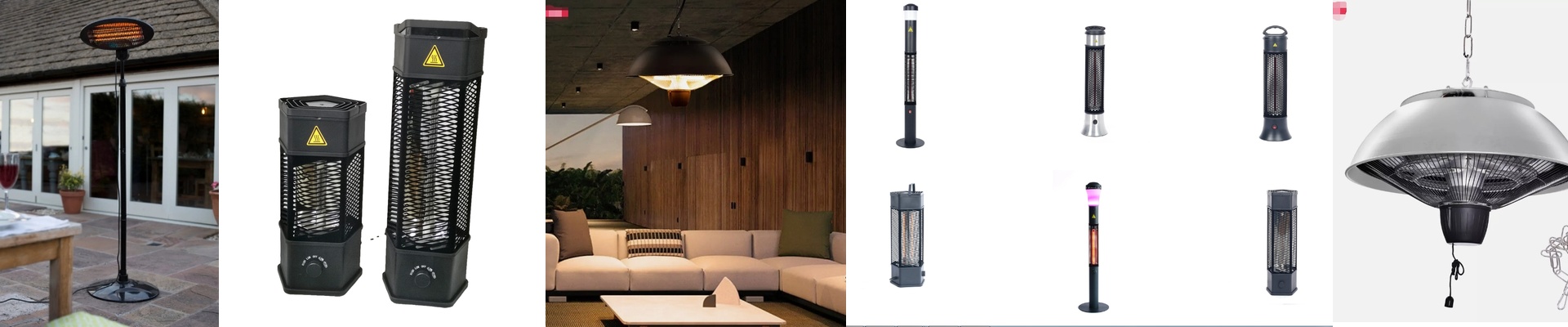
You want a lamp with high power density. We usually go with high-voltage setups because it keeps the current draw low while still pumping out plenty of heat. The quartz envelope is key here—it keeps the filament safe but lets all that IR energy fly right through. For the wiring, stick with R7s or Sk15 connectors. They’re the industry standard for a reason: they can handle the lamp expanding and contracting as it heats up without losing the connection. Just a heads-up—if you’re packing a lot of wattage into a small space, double-check that your sockets can actually handle the heat.
The trade-offs
Nothing is free. This kind of speed puts a lot of stress on your hardware. If you’re clicking those lamps on and off every few seconds to keep a precise temperature, don’t use mechanical relays. They’ll burn out and leave you stranded. Go with Solid State Relays (SSRs) instead. They can handle the constant clicking without breaking a sweat. One last thing: that heat is intense and very localized. Take a look at your oven’s internal shielding. You don’t want any accidental hotspots scorching your product.