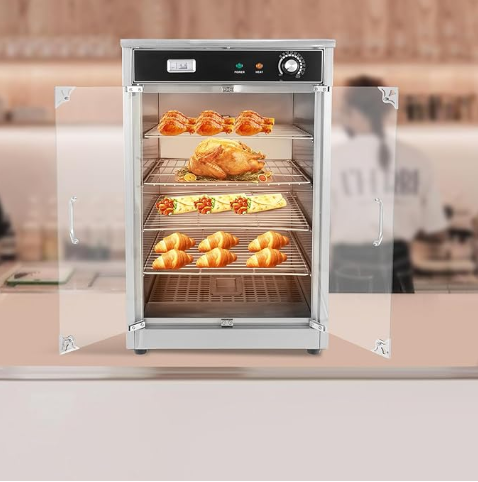
Stop Waiting for Your Sterilization Cabinets to Warm Up
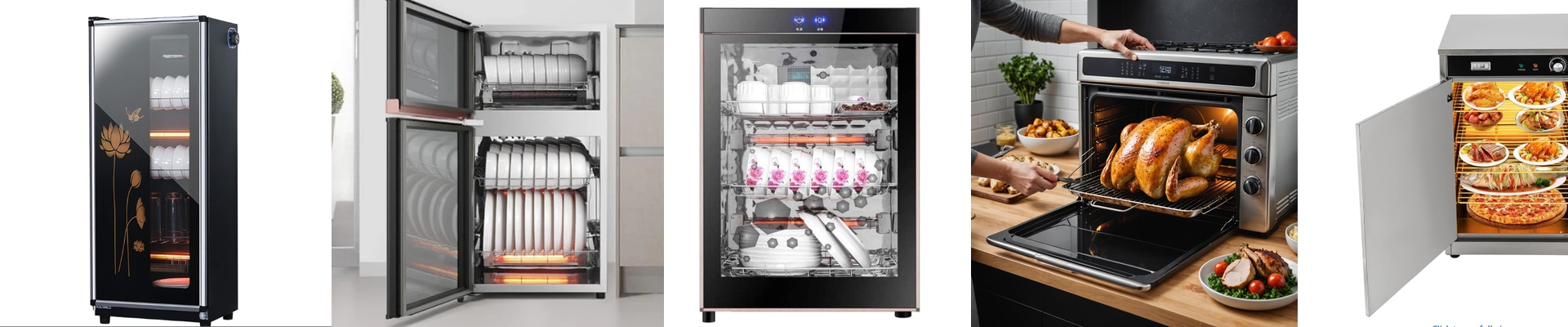
If you’ve ever used a standard sterilization cabinet, you know the drill. You turn it on, and then… you wait. You wait for the heating elements to glow, then for the air to warm up, and finally for the equipment inside to actually hit the temperature needed to kill pathogens. It’s a slow process that kills your productivity. We decided to fix that by using shortwave IR emitters. Instead of waiting minutes, we’re talking about hitting your target temperature in seconds. Why this actually works Most heaters rely on convection—basically, they heat the air, and the air heats the gear. It’s sluggish. IR emitters are different. They send electromagnetic radiation straight to the surface of the equipment. We use a halogen-filled quartz tube that lets us push the filament to extreme temperatures almost instantly. It’s like a flash of heat. No lag, no waiting for the air to catch up, just immediate energy. The nitty-gritty on the hardware We don’t use cheap glass here. These are built with high-purity quartz because the rapid jumping from cold to hot (and back again) would shatter normal materials. The tungsten filaments are carefully tuned so you get enough heat density to sterilize everything, but not so much that you accidentally melt your cabinet. Installation is pretty straightforward. They usually come with R7s or SK15 connectors, so they should slide right into most industrial controllers. One quick tip: use a PID controller with a fast sampling rate. If your controller is a bit sluggish, you’ll overshoot your target temperature. That’s a quick way to burn out a filament. The trade-off you need to know about Here is the catch. Because these emitters pack so much heat into such a small space, they are intense. If your internal shielding isn’t up to the task, the outer shell of your cabinet will get hot enough to burn whoever is operating it. You can’t just slap these in and walk away. You have to balance the wattage with some solid insulation to make sure the heat stays inside where it belongs.