Speeding Up Your Oven Cycles with Ruby Infrared Lamps
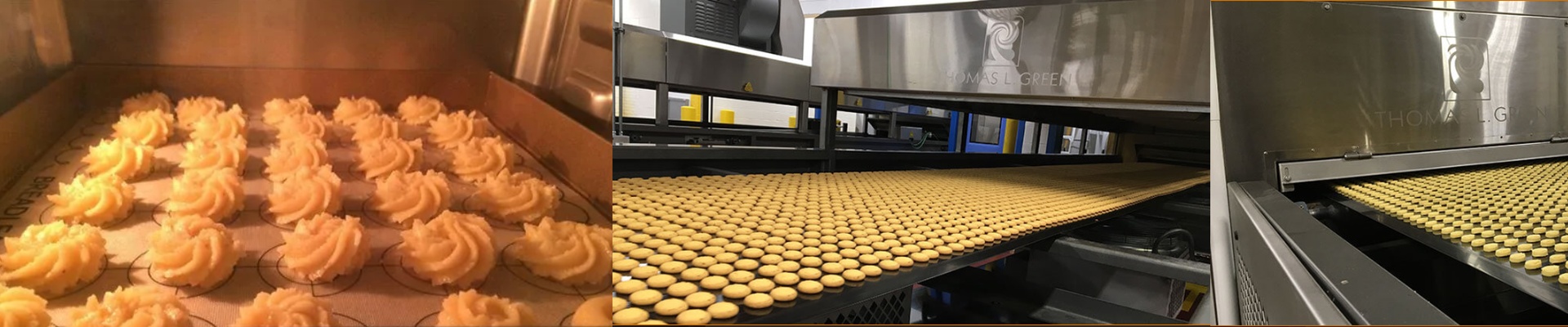
We’ve all been there. You open the oven door to load a fresh batch of bread, and you can practically feel the heat escaping. Then you’re stuck waiting for the oven to claw its way back up to temperature. It’s a slog, and it kills your momentum. To fix this, we’ve been using ruby-coated infrared bulbs as a little extra help. Unlike standard heaters that just warm up the air, these lamps shoot energy straight into the dough. Why the ruby coating? Here’s the thing: plain quartz lamps can be a bit too aggressive. The ruby-red coating acts like a filter. It tweaks the energy so it actually penetrates deep into the crust and the core of the bread, rather than just searing the outside. You get a faster rise and a crumb structure that stays consistent, without worrying that you’ve burnt the top of your loaves while the middle is still raw. The technical side of things We don’t believe in “one size fits all.” Depending on how big your oven is, we pick the wattage and voltage that fits your current electrical setup. If you need a serious thermal punch to kill that “wait time” between batches, a high-wattage shortwave lamp is the way to go. You can set these up on a secondary boost circuit. The moment your sensors see the temperature dip, the IR bulbs kick in and bring the chamber back to the sweet spot in seconds. It’s almost instant. Getting it right Installing these is usually a breeze—they often just slide right into where your standard elements go. But you do have to be careful with the placement. Because the heat is so concentrated, if a lamp is too close to the bread, you’ll get hot spots or burnt patches. It takes a little bit of tweaking with the distance and the power settings (PWM) to make sure you don’t overshoot your target temperature. But once it’s dialed in? Your main heating coils don’t have to work nearly as hard. That means your equipment lasts longer, and you’re getting more loaves out the door every single hour.