
When winter turns your hands and feet into blocks of ice, forced-air heat rarely hits the problem where it matters. We built infrared space heaters to deliver warmth you feel right away—because comfort isn’t just about air temperature. It’s about how heat reaches your skin and supports healthy circulation.
What matters, technically
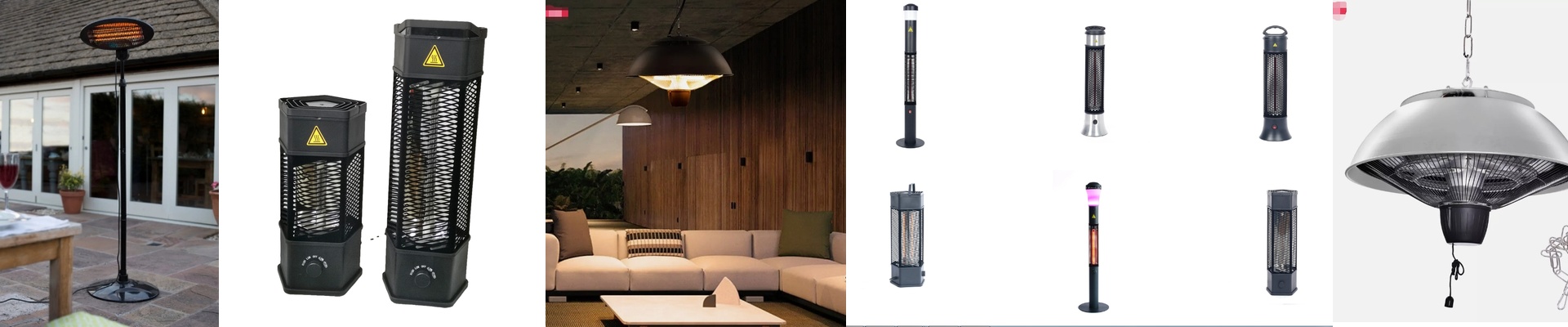
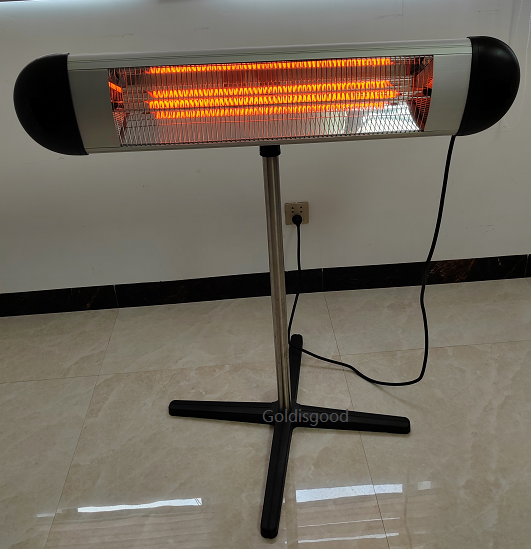
Infrared space heaters work on radiant heat, not by warming the room air first. Inside, a high-purity quartz tube or carbon fiber element heats up fast and emits infrared warmth that travels outward, warming people and objects directly in its path. The result is a gentle, penetrating warmth that starts at the surface and helps your body keep its own heat balance. Most models run on 120V household outlets, usually in the 1,200–1,500W range, and include a thermostat to hold steady comfort. For safety, look for tip-over protection and overheat protection built into the chassis. If you plan to use an electric heater outdoors, choose units rated for damp locations and check the IP rating—typically IP34 or higher—so the electronics stay protected from light rain and splash.
Why this works where you need it
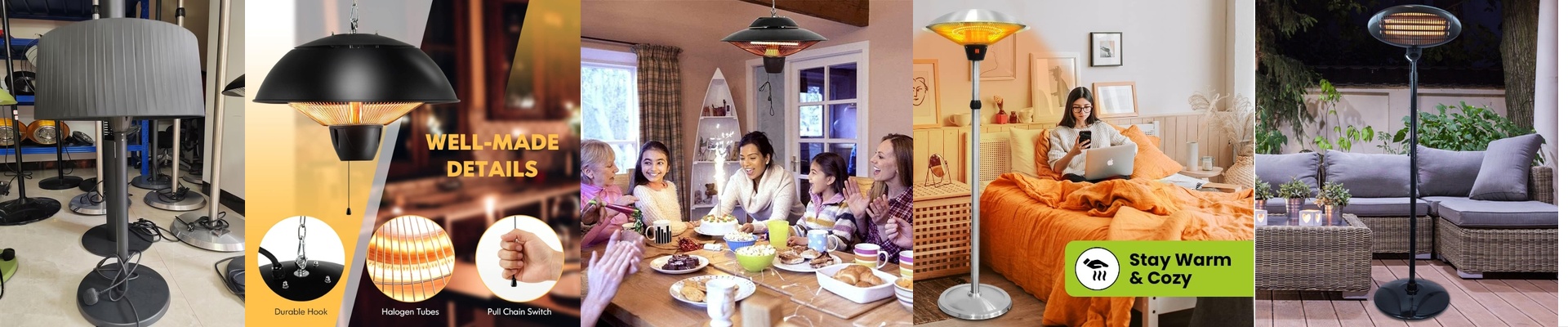
Cold hands and feet are often a circulation issue. When skin chills, blood vessels narrow and the extremities get less warm blood flow. Infrared warmth provides surface heating that can help relax muscles and encourage better microcirculation—exactly what people need when they’re trying to get comfortable indoors or stretch out the evening on a chilly patio. Because the warmth is directional, you can place the heater right where you sit, instead of heating the whole house. That focus makes it practical for living rooms, bedrooms, and covered outdoor spaces, and it can help you avoid pushing the central thermostat.
What to keep in mind
Infrared heating is immediate, but it doesn’t “fill” a room the way a convection heater does. For the best results, position the unit within a few feet of where you sit and keep it clear of furniture and curtains. Radiant heat warms what it shines on, so objects in the beam will feel warmer than the air a few steps away—that’s normal. If you’re sensitive to bright light, pick a model with a low-glare element or place the heater slightly off-axis. And as with any electric heater, don’t run it off an undersized extension cord; use a dedicated outlet to keep voltage stable and prevent heat buildup.