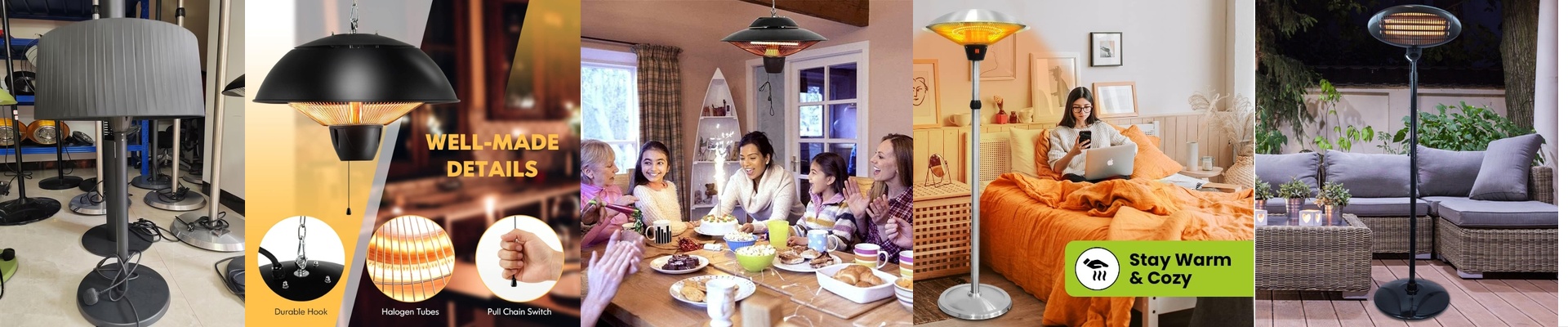
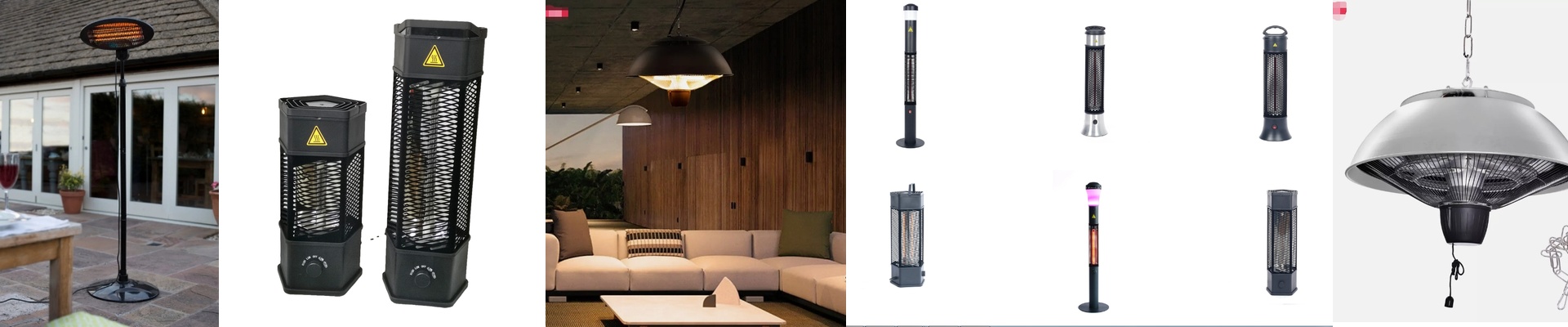
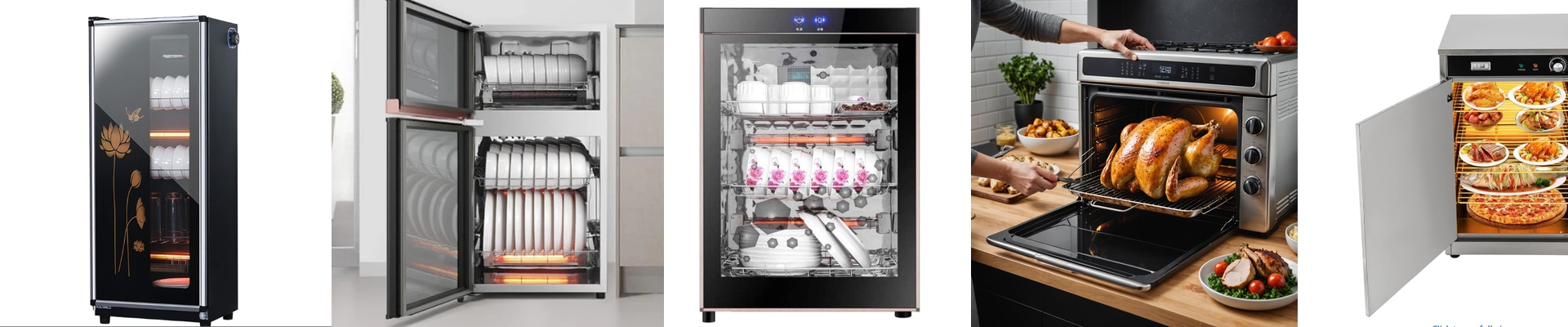
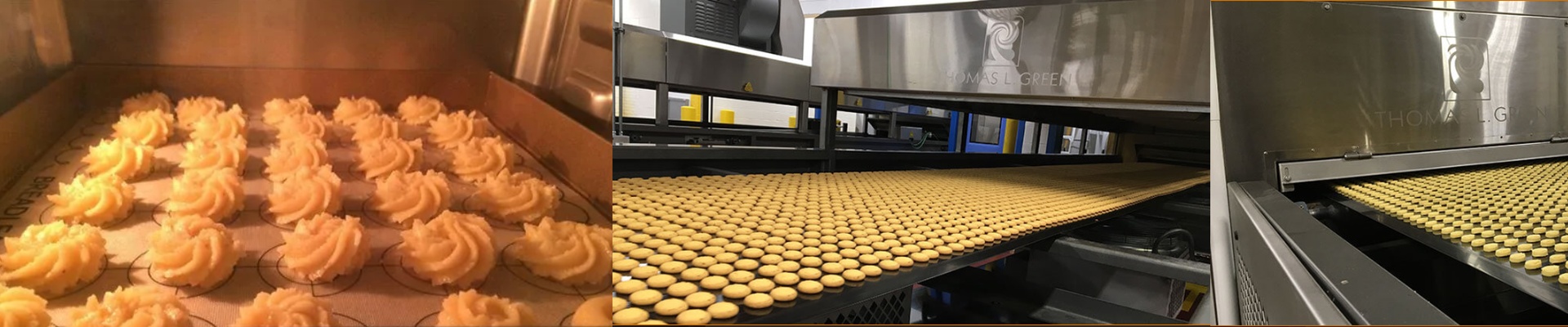
When the ticket board backs up and the line keeps moving, your deck oven has to act like another station on the pass. Open the door and the stone hearth bleeds heat. Every second the temperature dips is another second your crust softens and your bake window shrinks. That’s why a 500W infrared lamp for a deck oven isn’t a “nice-to-have.” It’s a practical recovery tool that keeps the baking chamber ready, right when you need it.
What matters under the hood
A 500W infrared lamp is built around a compact quartz tube with a high-output filament tuned for short-wave infrared. This is direct radiant heat—it travels outward and hits the target surface without wasting time heating air. In a deck oven, that means the stone hearth and the top of the deck get heat back fast, and the baking chamber stabilizes quickly after a door opening. The 500W rating is deliberate. It’s enough wattage to give you noticeable heat recovery in minutes, but low enough to fit into a deck oven’s existing electrical layout without needing a dedicated circuit. You get fast response without a rewire. We spec these lamps for standard commercial voltages, and they’re built for the environment inside a deck oven—high ambient heat, repeated thermal cycling, and the shock of door openings. The connections are simple, the mounting footprint is small, so you can put the lamp where the heat is needed most: close to the deck surface where the pizza or bread bakes, not dangling in empty space. In practice, the numbers translate to speed. The radiant energy hits the hearth, the surface temperature climbs quickly, and the oven gets back to bake-ready faster than waiting on the full mass of the deck to reheat from below.
Why this works in a real service
In a busy pizzeria or bakery, pressure isn’t just temperature—it’s timing. Every time you pull a pizza, the baking chamber loses heat. Without fast recovery, the next pie bakes slower, the crust misses the blister you want, and service slows while the oven “catches up.” A 500W infrared lamp changes that rhythm. It gives you top-down radiant heat that targets the deck surface directly, so the oven recovers between bakes. That means less downtime, more consistent bake times, and a steadier flow on the line. You can run more tickets per hour without pushing the main burners harder. It also helps with quality control. When the deck temperature rebounds fast, you get the same snap and char on crust after crust. Breads and focaccia bake more evenly because the baking chamber doesn’t sag between loads. You get repeatable results, not a bake that swings with how busy service is. And because the lamp heats only what it targets, it can be more efficient than cranking the whole oven. You’re not reheating the entire frame and insulation to cover a small temperature drop—you’re putting energy straight into the hearth surface that actually bakes the food. Over a shift, that difference shows up as lower energy use per bake cycle. The lamp also keeps your workflow honest. When the oven recovers fast, the station doesn’t stall. Staff don’t have to compensate with longer bake times or higher temperatures. The pass keeps moving, and the oven stays in its sweet spot.
What you need to know before you spec it
A 500W infrared lamp is straightforward to install, but it has to match the oven and the electrical setup. The lamp runs hot, so placement matters—keep it in the designed location, away from moving parts, and away from any proofing areas that should stay cool. It’s meant to support recovery, not replace the main deck heating system. Compatibility depends on the oven model. Some deck ovens have dedicated mounting points and wiring for infrared top heat; others need a bracket and a simple junction box connection. Make sure the socket type and voltage match your unit, and confirm clearance so the lamp won’t contact trays, pans, or the oven interior during loading. Here’s the trade-off in the real world: infrared lamps are excellent at fast recovery, but they’re not indestructible. They perform best when protected from direct contact with food, grease, and cleaning tools. Use a shield or guard where needed, and follow the oven’s cleaning protocol. Handle the lamp by the base, not the glass, and let it cool before servicing. If you run a high-volume deck oven, treat replacements as routine maintenance. A spare lamp on the shelf means zero downtime when service peaks. That’s how you keep the oven performing—day after day, bake after bake.