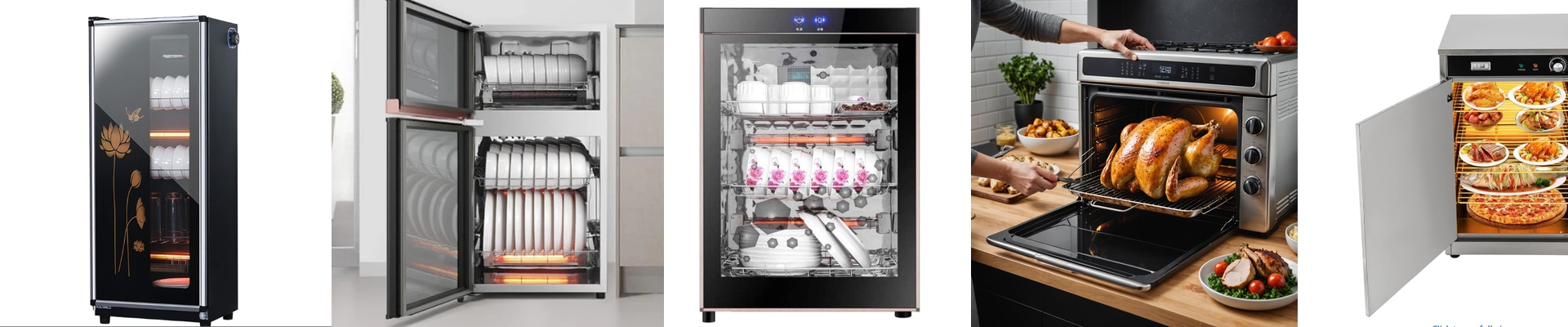
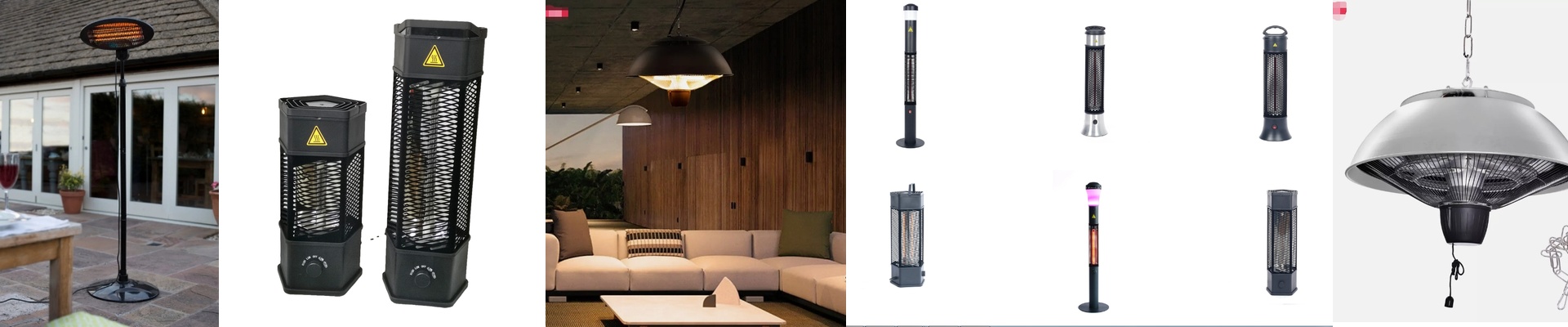
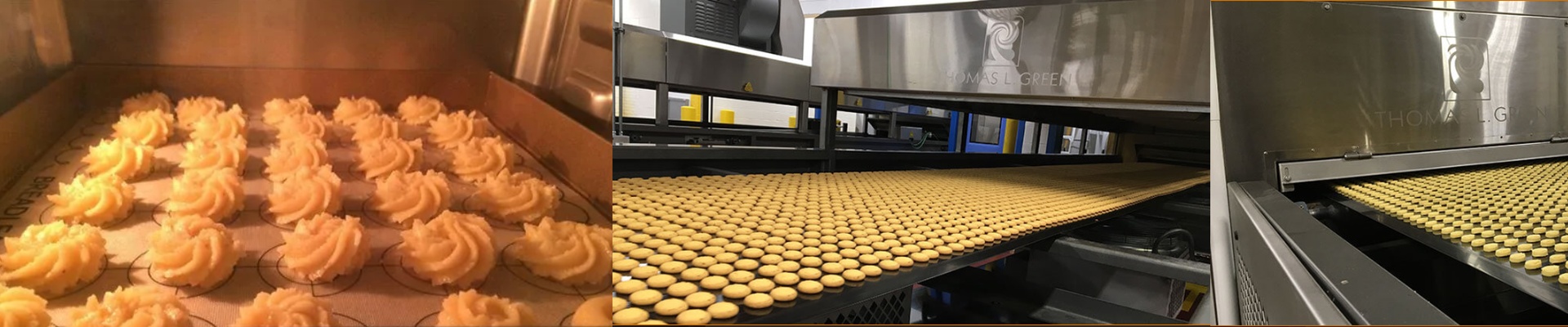
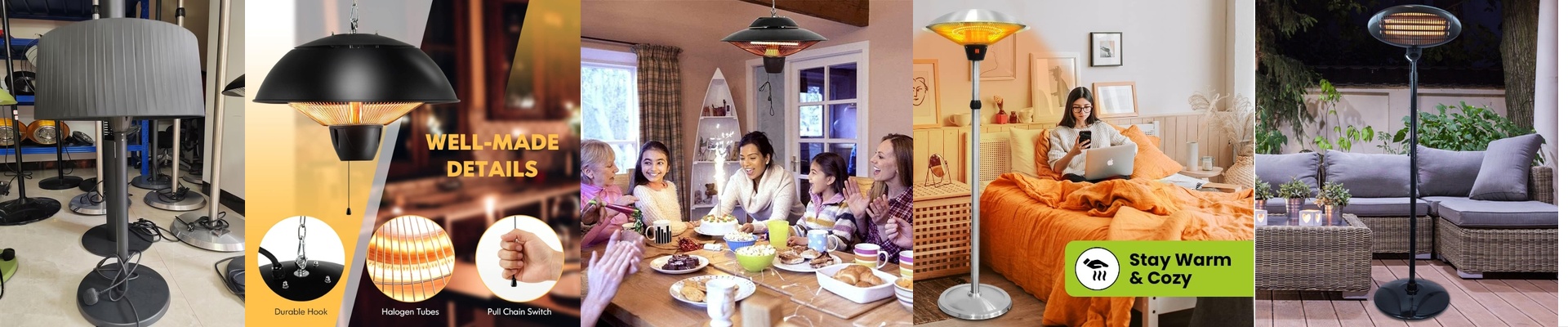
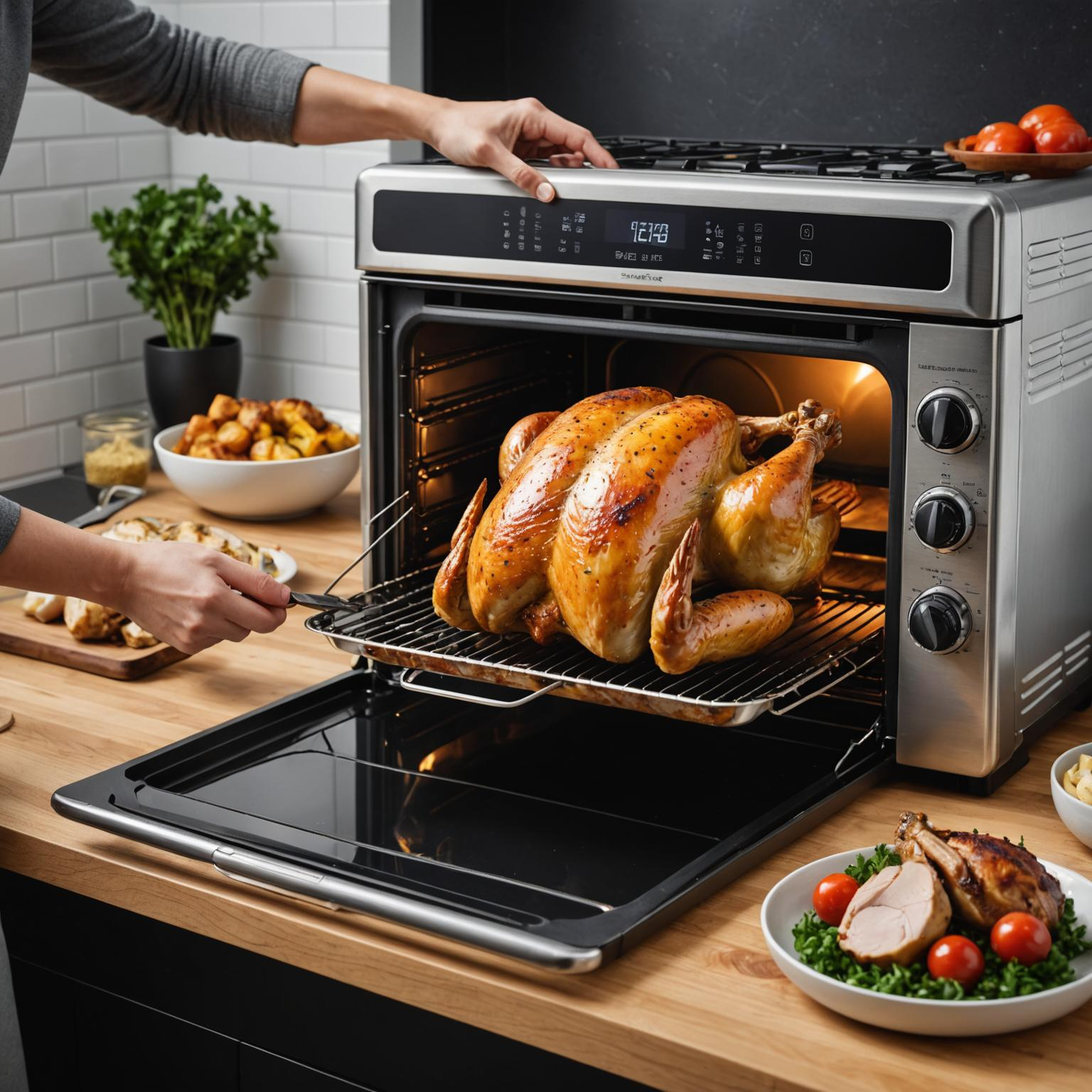
Getting Your Deck Oven Temperatures Actually Right
If you’re trying to build a “smart” kitchen, you probably already know that fancy software is only half the battle. You can have the best app in the world, but if your hardware can’t hit a specific temperature without swinging five degrees too high, the software doesn’t matter. That’s why we stopped relying on old-school heating elements and switched to high-precision infrared (IR) lamps.
Why IR actually works
Most heating coils are slow. They rely on convection, which is basically just heating the air and hoping it reaches the food. It’s sluggish. We do things differently. We use short-wave infrared to send energy straight into the food surface. It’s direct. It’s fast. By tweaking the wattage and voltage, we can put the heat exactly where the crust needs it. And here’s the best part: when you swing that oven door open and all the heat rushes out, these high-wattage elements bounce back almost instantly. You aren’t standing around waiting for the oven to “recover.”
The nitty-gritty on the build
We don’t cut corners on the materials. We use high-purity quartz glass because when you’re cycling temperatures rapidly, cheap glass just cracks. Inside, there’s a tungsten filament filled with halogen. This keeps the filament from evaporating, so your lamps actually last. If you’re running a smart setup, the connectors are a big deal. Whether you need R7s or a custom lead, it has to be a rock-solid connection. A loose fit causes voltage drops, and that’s when your PID controllers start acting erratic. Plus, we can customize the length and power. If you’re working with a tiny footprint but still need a massive amount of heat, we can spec out a higher-density lamp to make it happen.
A couple of things to watch out for
Look, this kind of precision isn’t a “plug and play” magic trick. These lamps put out a massive amount of heat flux. If your oven’s vents are clogged or your insulation is falling apart, you’re going to have problems. You could warp the housing or fry your sensors. You also need a stable power supply. A sudden voltage spike will kill a precision filament way faster than it would a standard heating rod. To keep things smooth, we always suggest using solid-state relays (SSRs). They switch fast, they’re reliable, and they keep the whole system happy.