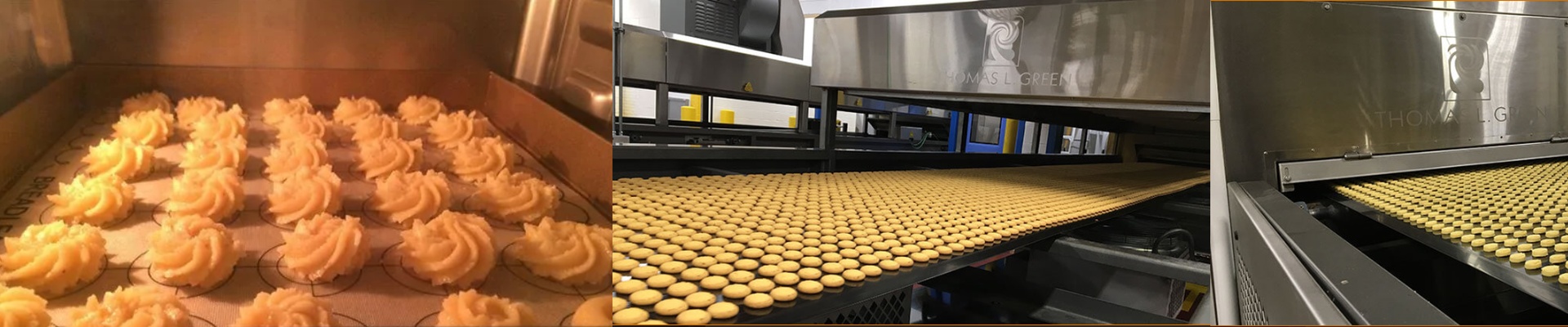
When the rush hits and your deck oven has to be at temperature the second service starts, you can’t afford to wait on the bake chamber. Slow recovery burns minutes, and minutes burn crust. So we built the 1500W gold-coated element to kill that lag. Here’s what matters in the real world: the infrared profile and the materials. The gold coating boosts reflectivity in the short-wave band, so the energy goes straight into the product instead of getting swallowed by the air. That translates to immediate response—elements come up fast, and the thermostat gets instant feedback. This isn’t about throwing raw heat; it’s about controllable radiant energy that settles the baking chamber quickly and holds setpoint with far less overshoot. The 1500W rating is matched to commercial duty cycles: enough power to recover fast after door swings and pans go in, without making the control system work too hard. What you get under pressure is consistency. In a deck oven, the infrared radiation evens out caramelization across the stone hearth, cutting down hot spots that cause uneven rise and scorched edges. In a rotary oven, that same snap keeps cavity temperature steady through rotation, so every tray comes out the same. Shorter preheat. Fewer reworked pans. And lower energy per bake cycle, because the oven isn’t constantly chasing the temperature. Before you spec this, a few field realities. It’s designed for infrared-ready ovens and has to be matched to the correct voltage and terminal setup. Infrared heats by line-of-sight, so placement and clearance to the hearth or pan path are critical for even coverage. Check the oven’s wiring diagram and make sure the control can handle the inrush current. With proper installation, the gold-coated surface holds up in high heat, but like any high-output element, it still needs routine inspection and cleaning to keep performing.