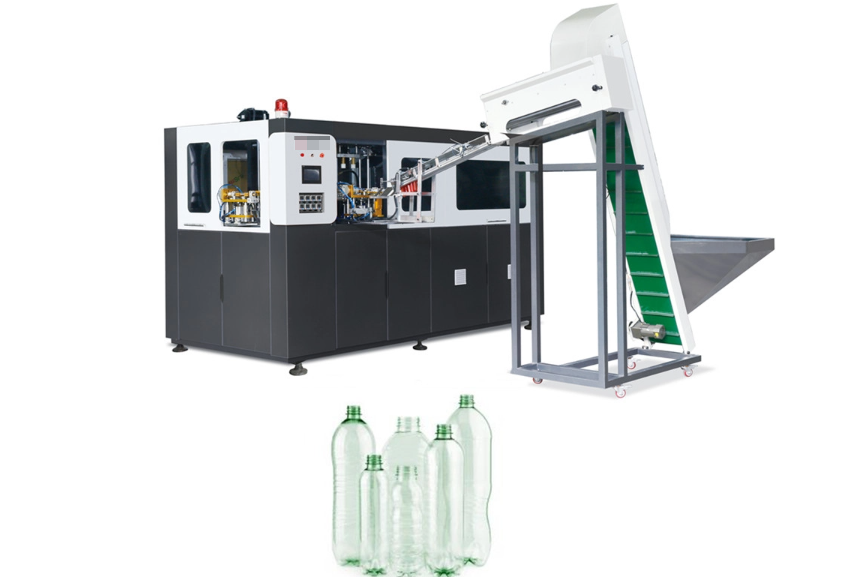
On the blow molding floor, the heating tunnel is where the pressure really shows. If the preforms aren’t hitting the right temperature profile across the neck, body, and base, you see it fast: haze, stress lines, wall thickness swings, and a stack of scrap every time you change over. When the lamps can’t keep up with the machine’s cycle, you either slow the line down or accept inconsistent bottles. We built the fast medium wave IR lamp, 1500W, to match the reality of stretch blow molding—where the heating stage has to deliver stable, repeatable energy into the preform without overcooking the material. It’s a direct-fit, OEM-aligned emitter engineered for heating tunnels on blow molders, whether your line runs Sidel, Krones, SIPA, Husky, SACMI, or Nissei ASB.
What matters, technically
The core of this lamp is medium wave infrared, tuned to get PET heating done efficiently. Compared with short wave, medium wave gives you a more forgiving thermal profile: the energy penetrates deeper into the preform wall, so heating is more uniform and you’re less likely to scorch the surface. That matters when you’re running sensitive designs—lightweight, high-clarity, or bottles with tricky shoulder geometry. The 1500W rating isn’t arbitrary. It’s the power level that lines up with preform heating demands on most single-cavity and multi-cavity blow molders, delivering enough output to recover quickly after each shot while keeping temperature stable between cycles. In practice, that means the heating tunnel can hold setpoint even as preforms come in at room temperature and leave ready to stretch. Key specs were chosen to fit the machine environment:
- Power: 1500W, matched to standard heating zones on blow molding equipment.
- Spectrum: Medium wave infrared, optimized for PET absorption and controlled surface temperature.
- Connector: R7s base, compatible with common lamp holders in blow molding heating modules.
- Form factor: Compact quartz tube length and diameter sized for standard reflector assemblies, so you can swap it in without modifying the tunnel. We focus on the practical numbers that impact uptime: warm-up time, output stability, and repeatability from lamp to lamp. The goal is straightforward—every lamp in the bank behaves the same, so your preform temperature curve doesn’t drift as the lamps age.
Why it works in real production
In blow molding, preform heating is a balancing act. You need enough energy to get the polymer into the stretchable range, but you can’t create hot spots that cause uneven material flow during blowing. The fast medium wave IR lamp, 1500W, supports that balance by producing a predictable heat field in the tunnel. You’ll notice the difference in three places. Thermal response. The lamp hits operating temperature quickly, which cuts the time needed to stabilize the heating tunnel after a restart or changeover. That means less scrap and fewer warm-up sheets before the line is back in spec. Heating uniformity. With medium wave, energy penetrates the preform wall more evenly, supporting consistent temperature from neck to base. That improves stretch behavior during blowing and helps you keep tighter control over wall thickness distribution. When the preform heats uniformly, the blow molder runs smoother—fewer stress marks, less trim waste. Power matching. The 1500W output is matched to the typical thermal load of a blow molding heating zone. When the lamp power aligns with the machine’s design, you avoid the oscillations that come from under-powered heating—temperature chasing, long recovery times, and inconsistent bottle weight. The result is a steadier line speed and fewer operator tweaks. This lamp also handles the day-to-day realities of production. It’s built to survive the heat and vibration inside the tunnel, and it’s sized to drop into existing reflector systems without re-engineering the heating module. For maintenance teams, that means a straightforward replacement—less downtime, fewer spare parts, and faster changeovers.
What you need to know
Installation is simple, but a few details prevent headaches. Check the lamp holder. The R7s base fits many standard holders, but some machines use proprietary clips or terminals. Confirm the physical fit and electrical contact before ordering. Verify the power supply. The heating zone has to deliver stable voltage; fluctuations can shorten lamp life and cause output drift, which shows up as inconsistent preform heating. Align the reflector. The lamp performs best when centered in the reflector, with the preform path matched to the hot zone. Misalignment can create uneven heating and show up as stripes or thickness swings. One practical trade-off: medium wave lamps run hotter at the surface than short wave lamps, so you need clean, unobstructed airflow around the quartz tube. If the tunnel airflow is blocked or ventilation is weak, heat builds up and can affect lamp life. Keep airflow paths clear, and you get stable output and predictable maintenance intervals. If your line runs at high speed or uses very thin-wall preforms, you may need to adjust bank density and spacing to avoid overheating. We provide spacing guidance based on preform wall thickness and cycle rate, so you can set the heating stage to match the blow molder’s actual output. The fast medium wave IR lamp, 1500W, isn’t a cure-all for every bottle defect, but it’s a practical, repeatable way to get preform heating back under control. It gives you stable temperature, predictable output, and a heating profile that matches what modern blow molding demands. When the heating stage behaves, the rest of the line falls into place.