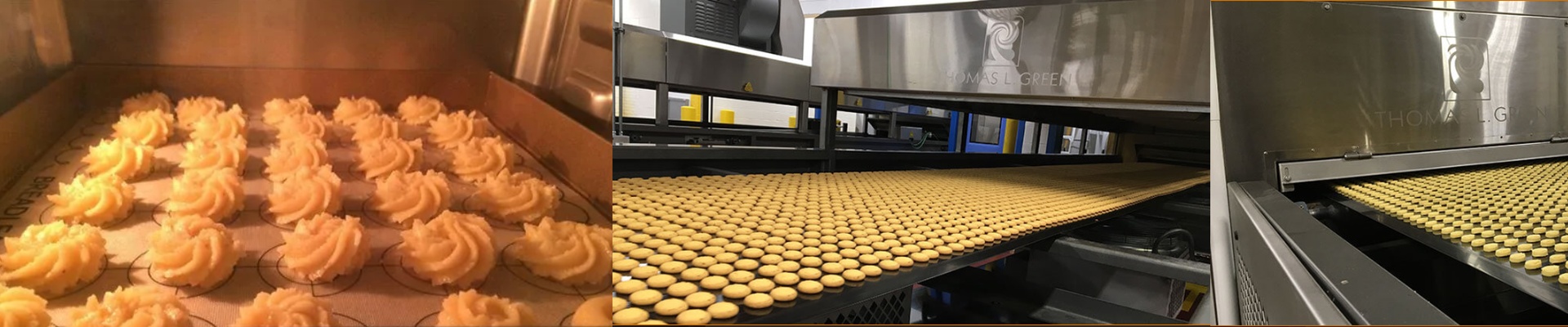
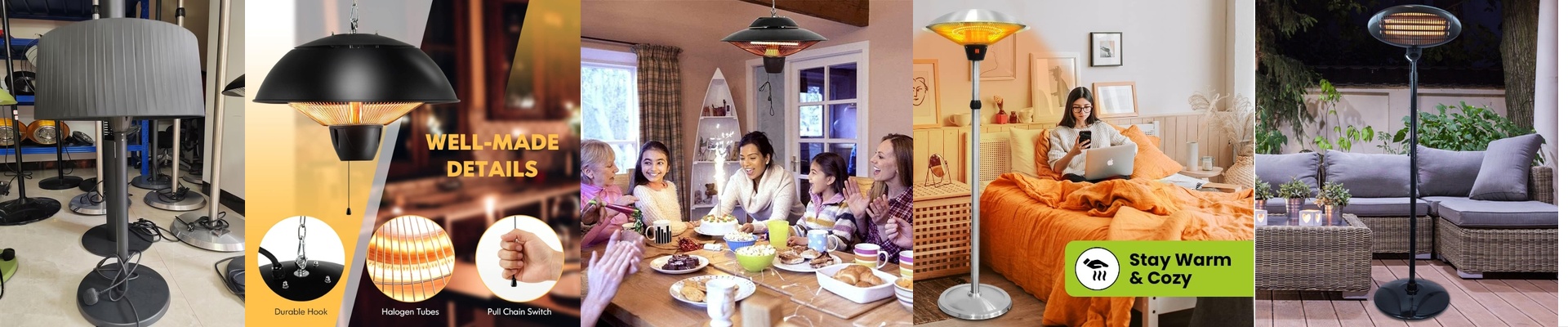
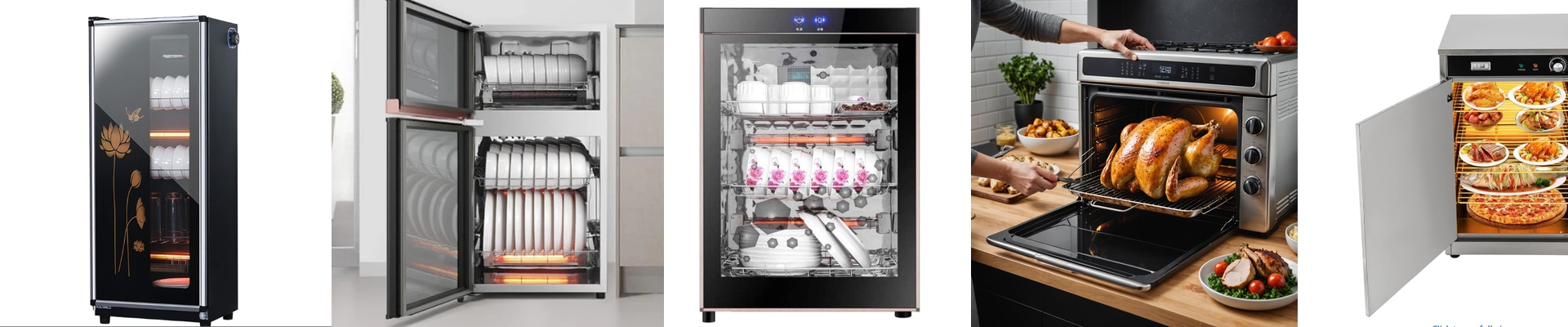
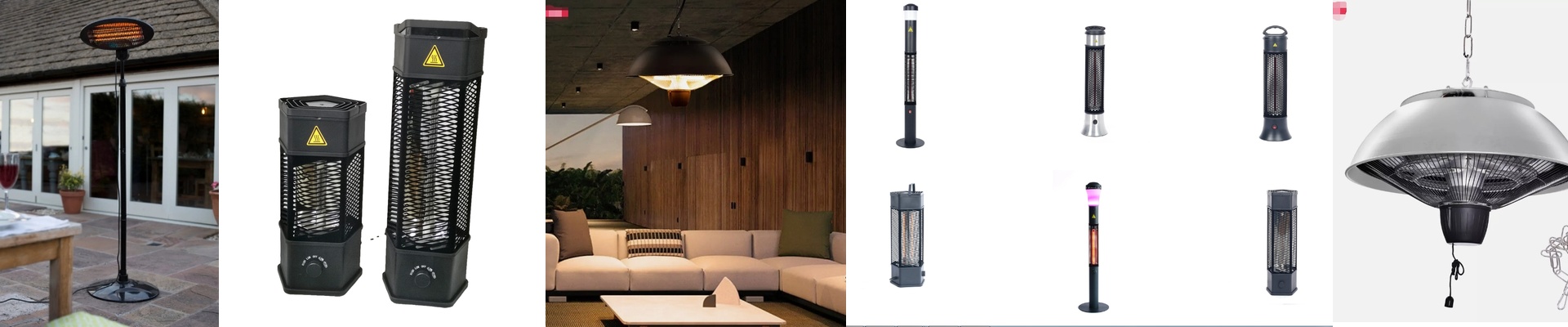
When service hits the fan, you don’t have time to chase setpoints on a warming cabinet while food cools on the pass. A serving-counter IR emitter puts heat right where it counts—on the plate, not in the air—so every order leaves with consistent temperature and texture.
What’s actually important under the hood
We build these around short-wave infrared, because it responds fast and holds temperature without wandering. In practice, the emitter comes up to heat quickly, stays steady with minimal drift, and recovers the instant a cold plate hits the line. The specs are chosen for the realities of a working kitchen: 120–240V options, compact profiles that fit under counters or over warming wells, and mounting hardware that integrates cleanly into pass-through windows and holding stations. The output stays focused, so you get heat on the target surface without scorching delicate toppings or drying out proteins.
Why it earns its keep on the line
In a bakery, pizza shop, or busy restaurant, the pass is where quality gets locked in. IR heat preserves crust crisp, sauce viscosity, and that cheese stretch by keeping the plate surface stable. You shorten the holding cycle, cut down on overcooking, and reduce send-backs. Energy use drops because you’re heating the plate, not the whole room, and workflow stays tight—staff can plate and hold without waiting for a bulky cabinet to recover.
The practical details that make it work
IR emitters perform best when distance and clearance are set to spec. Keep the emitter clean and dry, and make sure your counter opening and shielding match the beam pattern; otherwise, you’ll see uneven hot spots. Also, confirm voltage compatibility and wiring up front—many retrofits are straightforward, but some jobs need a licensed electrician to meet local code.