
Introduction
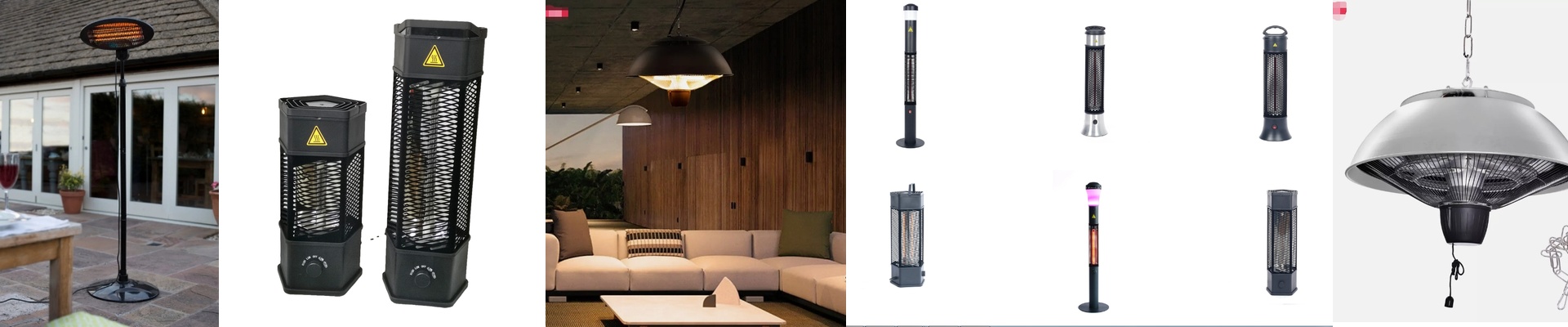
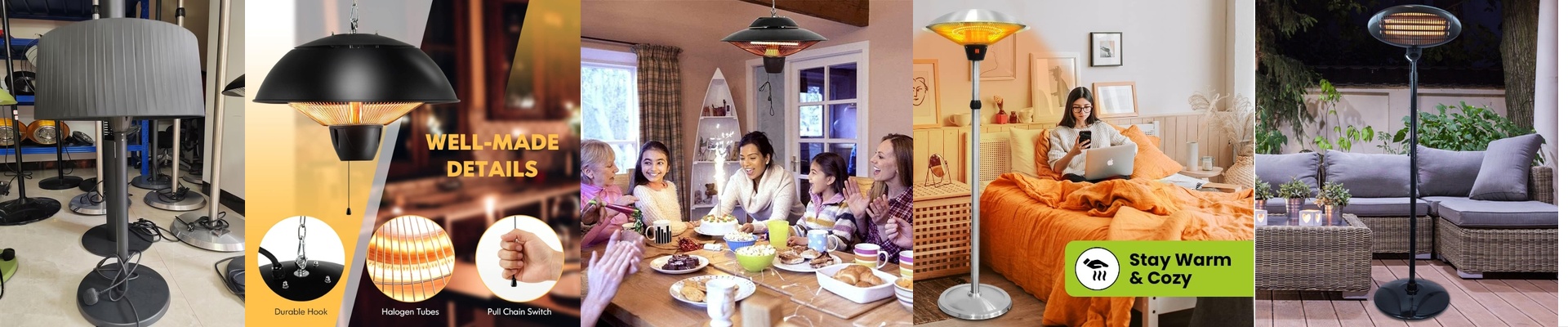
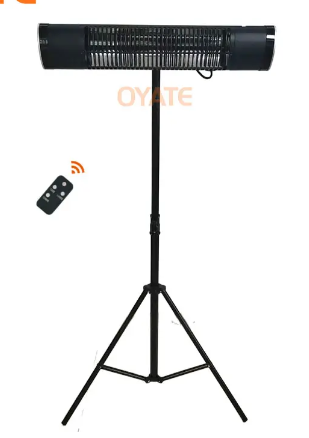
We built this indoor infrared heater for the folks who live in a workshop—people who need heat they can actually depend on. It’s not about being flashy; it’s about doing the job, day after day, even when the power coming into the building is… well, a little unpredictable. Its whole reason for being is to give you steady, radiant heat, no matter what the line voltage throws at it. The secret? A smart compensation system that keeps watch over the power and steps in to protect the heater before the usual spikes and dips can do any damage.
The Power Problem (And How We Fixed It)
Let’s be honest: voltage swings are just part of the deal in industrial spaces. Most infrared heaters don’t last long when the power keeps jumping around. So we designed this one to be tough. The compensation system is constantly checking the incoming voltage. If it spikes, the system instantly adjusts the load so the heating element doesn’t get fried. If the voltage drops, it keeps the power output steady so you don’t get that weak, sputtering heat. That stability keeps the internal temperature consistent, and that’s what buys you a much longer life from the unit.
What It’s Built With
The heart of it is a halogen-filled quartz tube, built to handle the intense heat needed for serious infrared output. But the real difference is inside. We went with a hardened, solid-state circuit. No fragile moving parts. No relays that can wear out. Just a system that can react to voltage changes in milliseconds. The payoff? You can swap this in as a direct replacement for a standard heater, but it won’t just give up when the power grid gets messy.
What It Feels Like On The Shop Floor
Here’s the best part: you can put this heater in places that have always had trouble with power quality, and you don’t need to add a separate voltage stabilizer. It just drops in and gets on with it. Now, there is a small trade-off. The compensation circuit draws a tiny bit of standby power just to keep an eye on the line, so it does use a little more energy when it’s idle compared to a basic heater. But honestly? That’s a small price to pay for a heater that won’t burn out the first time the voltage decides to play tricks on you.
Why It Matters To You
This heater is built for one thing: reliability. You get consistent heat, you get fewer surprise breakdowns, and you get a stable temperature in your process—even on days when the power supply is anything but steady.