
When the rush hits and tickets pile up, your oven can’t be hunting for temperature. Slow recovery kills service, and uneven heat leaves crusts pale and gummy. We built the halogen thermal element for steam ovens to handle that pressure—direct, controllable heat that snaps back fast.
What’s actually happening under the hood
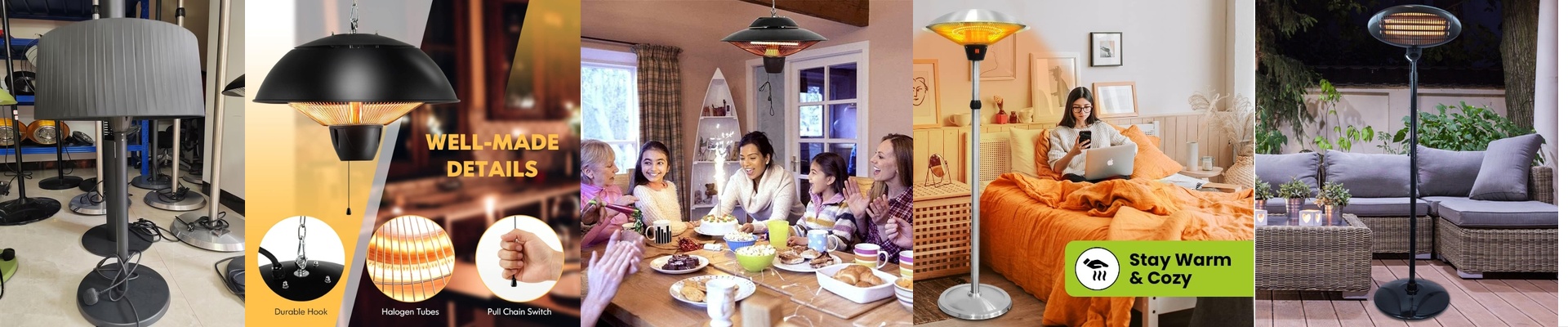
Halogen elements throw short-wave infrared straight into the baking chamber, instead of warming air the convection way. In a steam oven, that means the stone hearth and pan surfaces grab energy quickly, so temperature stays stable after the door opens and when you’re recovering from a full load.
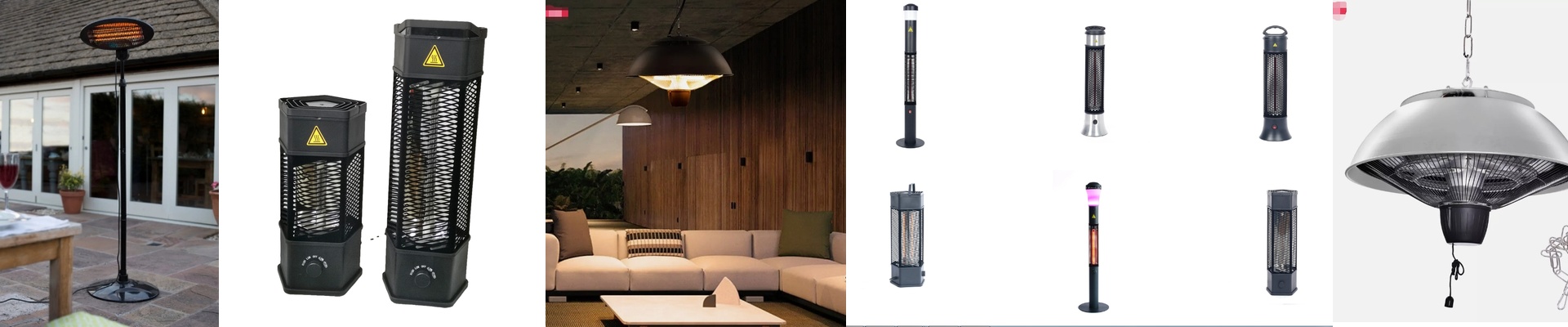
Typical units run 230V/460V configurations, with a compact footprint that fits standard cavities and mounting hardware that’s easy to clean. The quartz envelope handles thermal shock, so you can run steam injection cycles without the brittle failures that chew up conventional coils. You get fast heat-up, tighter control, and repeatable performance shift after shift.
Why this makes sense on a busy line
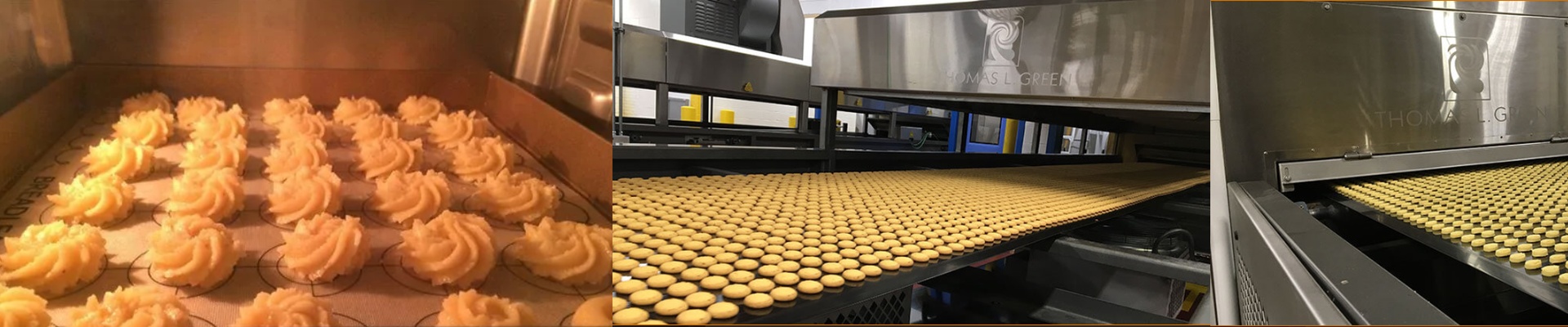
In high-volume bakery and pizza work, steam gives you crust lift and caramelization—but it also steals heat. Halogen elements compensate by putting the energy where it matters: on the hearth and the product. That keeps you on setpoint even when the board is slammed.
You end up with more consistent bake windows, fewer under-baked centers, and a crust that sets before toppings start weeping. Recovery happens in minutes, not tens of minutes, so your deck oven or rotary oven keeps moving. And because you’re heating mass efficiently instead of reheating air over and over, energy use per bake cycle drops.
The field notes you’ll thank yourself for later
Halogen elements need proper clearance and airflow around the quartz tube, and they have to be matched to your oven’s control strategy. Steam-heavy environments will deposit mineral films on exposed surfaces, so daily wipe-downs and routine inspection are part of the deal.
Compatibility varies by make and model—confirm voltage, mounting, and thermostat/controller fit before you install. Treat the element like the precision piece it is, and it pays you back with steady heat, predictable bakes, and fewer service interruptions.