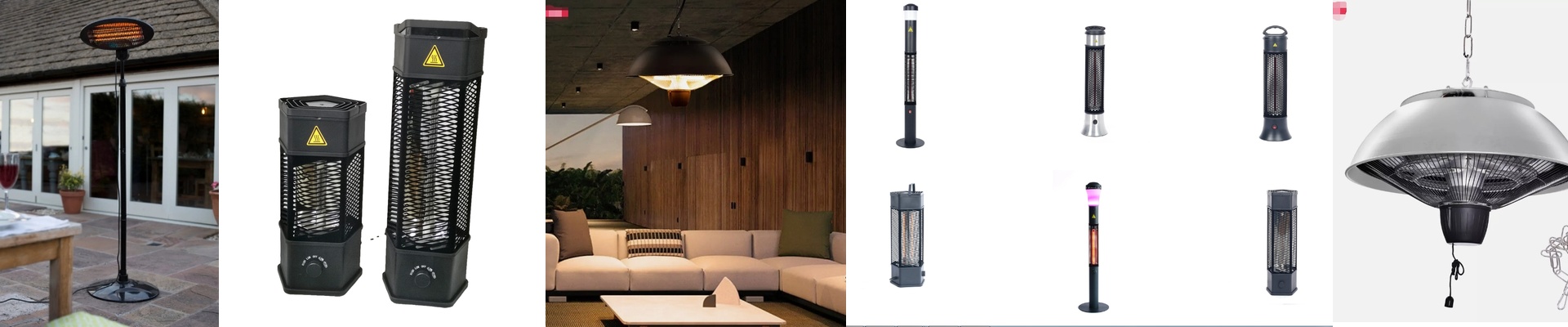
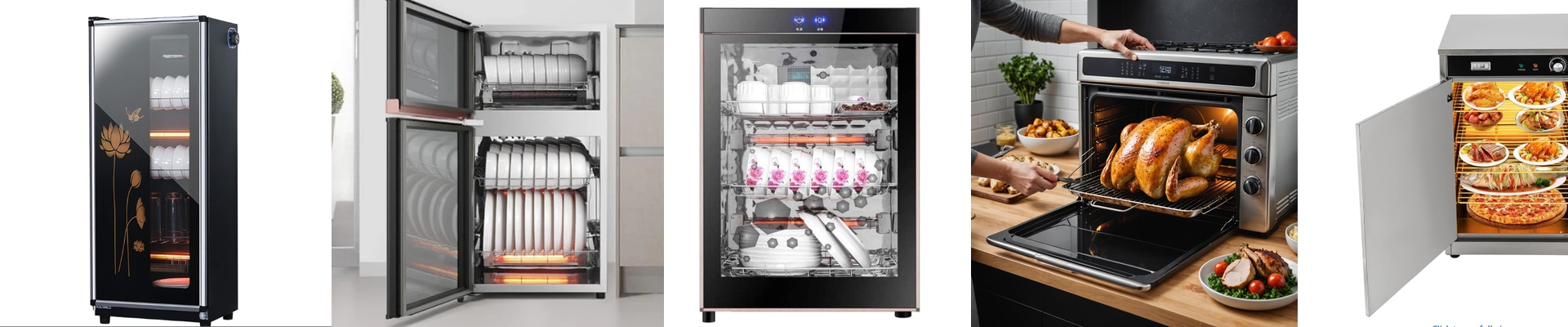
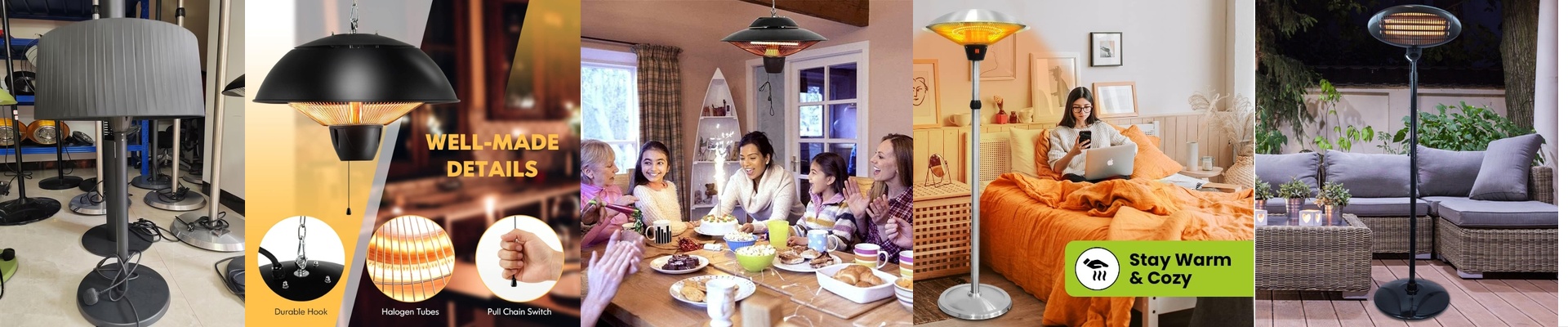

When service hits, your deck or rotary oven can keep up with the bake, but the finished pizza still needs holding—without turning the crust into a brick. A top-heat element can dry things out fast, and a weak lamp leaves cheese cold and sauce weeping. We built a carbon fiber pizza oven heat lamp to give you control in those last minutes before the rush—keeping food at temperature while the texture stays honest. What matters under the hood This unit runs on a carbon fiber infrared emitter, not a coiled wire, so it comes up fast and holds steady. You get focused, short-wave heat that targets the toppings and the upper crust, while the stone or deck keeps the base heat where it belongs. The specs are chosen for the line: 240V, a small footprint, and a standard mounting interface that drops into common aftermarket sockets on deck and rotary ovens. In practice, you can swap lamps quickly during a lull, and dial in holding without chasing the thermostat. Why it plays in a busy shop In a pizzeria, the oven does the bake; the heat lamp does the finish. Carbon fiber infrared means quick warm-up, consistent surface heat, and holding you can count on. That shows up on the plate: cheese stays melted, toppings stay hot, and the crust stays crisp—no sogginess, no scorch. You also end up re-heating less, which keeps ticket times tight and the line moving. Energy use drops because the lamp heats the food directly, not the air, and we’ve seen units run 5,000+ hours with less than 5% output drop. What to watch on install Install is straightforward, but clearance matters. Keep the emitter at the recommended distance from the food so you don’t over-brown, and make sure the lamp is mounted where airflow is clean. These are built for commercial pizza ovens and warming zones—not as a primary bake element in a convection oven. Match voltage and socket type to your gear, and confirm the mounting hardware before you order so the first install goes right.
সার্ভিস শুরু হলে, আপনার ডেক বা রোটারি ওভেন বেকিংয়ের সঙ্গে তাল মিলিয়ে চলতে পারে, তবে তৈরি পিজা ধরে রাখা দরকার—কিন্তু ক্রাস্টকে ইটের মতো শক্ত করে না। একটি টপ-হিট এলিমেন্ট দ্রুত শুকিয়ে ফেলতে পারে, এবং দুর্বল ল্যাম্প পনির ঠান্ডা রাখে এবং সস ঝরাতে থাকে। আমরা একটি কার্বন ফাইবার পিজা ওভেন হিট ল্যাম্প তৈরি করেছি যা আপনাকে রাশের আগের শেষ কয়েক মিনিটে নিয়ন্ত্রণ দেয়—খাবার তাপমাত্রায় রাখে এবং টেক্সচার ঠিক রাখে। হুডের নিচে যা গুরুত্বপূর্ণ এই ইউনিটটি কার্বন ফাইবার ইনফ্রারেড এমিটার দ্বারা চলে, কুণ্ডলী তার দ্বারা নয়, তাই এটি দ্রুত গরম হয় এবং স্থিতিশীল থাকে। আপনি পান ফোকাসড, শর্ট-ওয়েভ তাপ যা টপিংস এবং উপরের ক্রাস্টকে লক্ষ্য করে, যখন পাথর বা ডেক বেসের তাপ সেই স্থানে রাখে যেখানে থাকা উচিত। স্পেসিফিকেশনগুলো লাইন অনুযায়ী নির্বাচিত: 240V, ছোট স্থান দখল, এবং একটি স্ট্যান্ডার্ড মাউন্টিং ইন্টারফেস যা ডেক এবং রোটারি ওভেনের কমন আফটারমার্কেট সকেটে ফিট হয়। বাস্তবে, আপনি বিরতির সময় দ্রুত ল্যাম্প পরিবর্তন করতে পারেন এবং থার্মোস্ট্যাটের পেছনে ছুটে বেড়ানো ছাড়া হোল্ডিং অ্যাডজাস্ট করতে পারেন। কেন এটি ব্যস্ত কর্মশালায় কার্যকর একটি পিজেরিয়াতে, ওভেন বেক করে; হিট ল্যাম্প ফিনিশ দেয়। কার্বন ফাইবার ইনফ্রারেড মানে দ্রুত গরম হওয়া, ধারাবাহিক সারফেস তাপ এবং নির্ভরযোগ্য হোল্ডিং। এটি প্লেটে প্রতিফলিত হয়: পনির গলে থাকে, টপিংস গরম থাকে, এবং ক্রাস্ট ক্রিস্প থাকে—কোনও সজলতা নয়, কোনও পোড়া নয়। কম রিহিটিং করতে হয়, যা টিকিট সময় কমায় এবং লাইন চালু রাখে। এনার্জি ব্যবহার কমে কারণ ল্যাম্প সরাসরি খাবার গরম করে, বাতাস নয়, এবং আমরা দেখেছি ইউনিটগুলো ৫,০০০+ ঘণ্টা চলে কম ৫% আউটপুট হ্রাসের সঙ্গে। ইনস্টলেশনে কী দেখবেন ইনস্টলেশন সরল, তবে ক্লিয়ারেন্স গুরুত্বপূর্ণ। এমিটারকে খাবারের থেকে সুপারিশকৃত দূরত্বে রাখুন যাতে অতিরিক্ত ব্রাউন না হয়, এবং নিশ্চিত করুন ল্যাম্প এমন স্থানে মাউন্ট করা হয়েছে যেখানে বায়ু প্রবাহ পরিষ্কার। এগুলো বানানো হয়েছে বাণিজ্যিক পিজা ওভেন এবং ওয়ার্মিং জোনের জন্য—কনভেকশন ওভেনে প্রাথমিক বেক এলিমেন্ট হিসেবে নয়। আপনার যন্ত্রের ভোল্টেজ এবং সকেট টাইপ মিলিয়ে নিন এবং অর্ডার করার আগে মাউন্টিং হার্ডওয়্যার নিশ্চিত করুন যাতে প্রথম ইনস্টলেশন সঠিক হয়।